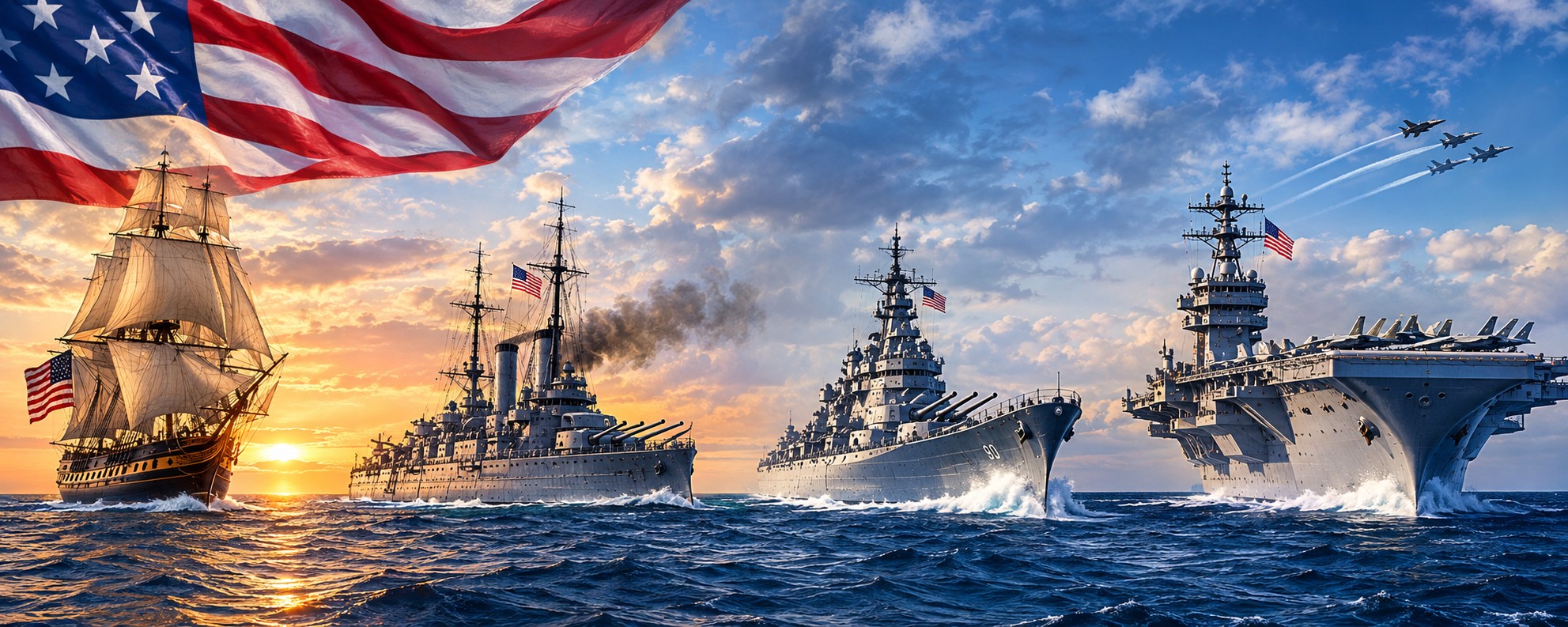
The history of the United States Navy began during the American Revolutionary War, when the Continental Congress established a naval force to challenge British maritime power. From its early sailing vessels and the first experiments in submarine warfare to the development of a modern global fleet, the United States Navy has played a significant role in the history of naval warfare. The early naval effort was supported not only by Continental Navy vessels but also by hundreds of privately operated American privateers, who operated independently under government-issued letters of marque, which played an important role in disrupting British maritime operations.
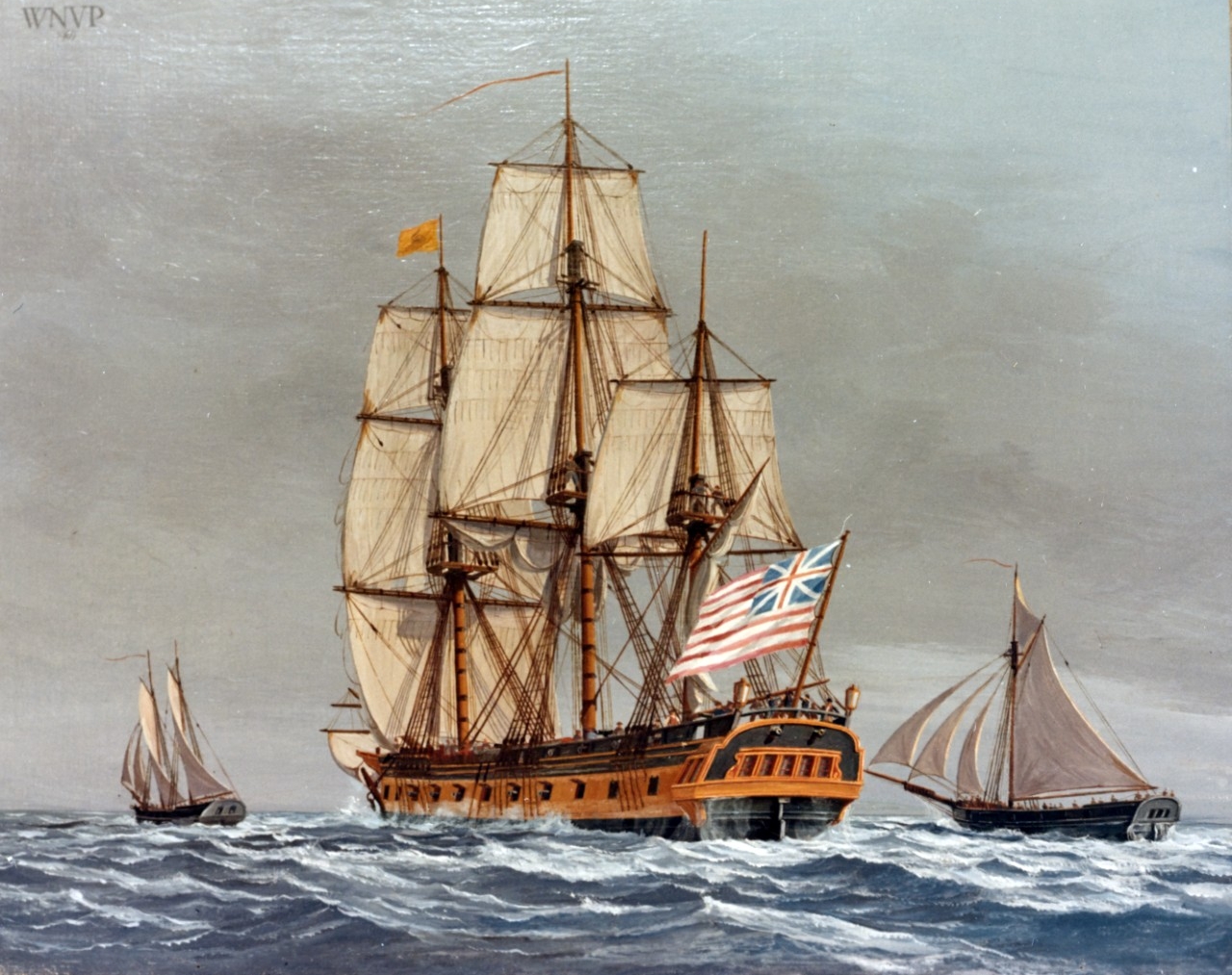
This timeline follows the development of the U.S. Navy through major wars, naval engagements, technological innovations and the evolution of important warships and ship classes. It also highlights the growth of submarine warfare, naval aviation, aircraft carriers, naval weapons and the changing strategic role of the Navy from the eighteenth century to the modern era.
1775 – 1812, The Birth of the U.S. Navy
Oct 13, 1775
Birth of the Continental Navy
The Continental Congress authorized the purchase of two armed vessels, marking the beginning of the Continental Navy. The new naval force was established to disrupt British maritime operations and protect American shipping during the Revolutionary War. This date is traditionally recognized as the birthday of the United States Navy.
Dec, 1775
USS Alfred – First Flagship of the Continental Navy
USS Alfred, originally a merchant ship converted for naval service, became the first flagship of the Continental Navy under Commodore Esek Hopkins. She led the first American naval expedition in 1776 and symbolized the beginning of the United States Navy.
Sept 7, 1776
First U.S. submarine
David Bushnell’s Turtle became the first submarine used in an attempted military operation. On 7 September 1776, Sergeant Ezra Lee attempted to attach an explosive charge to the hull of the British warship HMS Eagle in New York Harbor. The attack failed, but the Turtle became an important milestone in the early development of submarine warfare.
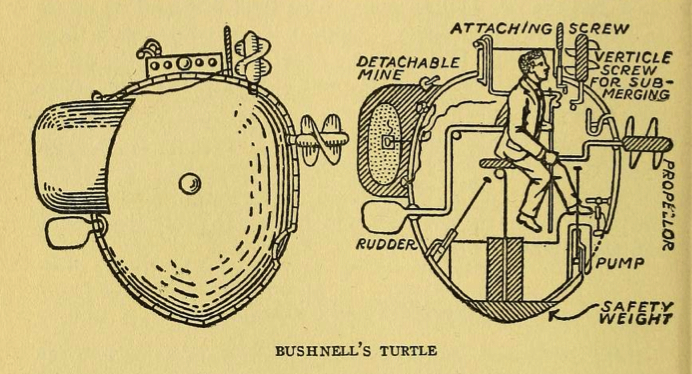
THE FIRST UNITED STATES SUBMARINE
A young American experimented with a subsurface craft he hoped would help drive the British out of New York. David Bushnell was an American inventor and engineer who studied at Yale College and had been working on a small submarine for some 4 years and finally completed it in 1775. This first military submarine, named Turtle, was described by Bushnell as having “some resemblance to two upper tortoise shells of equal size, joined together…”. It was approximately 7.5 feet long, and under ideal conditions had a theoretical speed of about 2–3 knots. A single operator could remain submerged for approximately 30 minutes. The Turtle was armed with an oak casing filled with 150 pounds of explosives. This charge could be attached to the bottom of an enemy ship where it was intended to remain until detonated by a simple clockwork mechanism. Bushnell made a few more attempts to use the Turtle against the British in the Delaware River. He attached mines to the Turtle and floated the mines against ships. These attempts failed. The fate of the original Turtle remains uncertain; Bushnell later stated that one submarine was lost when its transport vessel was destroyed by the British.
Sept 23, 1779
First Major Naval Victory
Captain John Paul Jones commanded the Continental Navy ship Bonhomme Richard during the Battle of Flamborough Head against HMS Serapis. Although the Bonhomme Richard was lost, Jones’s victory became one of the most famous naval actions of the American Revolutionary War.
Mar 27, 1794
Naval Act
Congress passed the Naval Act of 1794, authorizing the construction of six heavy frigates, including USS Constitution and USS United States, which became symbols of the early U.S. Navy. The act marked an important step toward establishing a permanent United States Navy.
Apr 30, 1798
Department of the Navy
The Congress established the United States Department of the Navy as a separate executive department responsible for the administration and operation of the nation’s naval forces.
1798 – 1801
Quasi War with France
The United States Congress authorized American naval forces to capture armed French vessels, marking an important escalation in the undeclared Quasi-War with France. The conflict, which lasted from 1798 to 1801, was fought primarily at sea against French privateers and included several clashes involving naval vessels. It tested the capabilities of the newly established United States Navy and reinforced the importance of a permanent naval force.
Apr 27, 1805
Battle of Derna
U.S. Marines and naval forces supported a land attack against Tripolitan forces at Derna, Libya. The victory became one of the most famous early overseas operations of the United States military.
Jun 22, 1807
Chesapeake–Leopard Affair
The HMS Leopard fired on the USS Chesapeake off the coast of Virginia and boarded the American frigate in search of British deserters. The incident caused widespread outrage in the United States and contributed to the growing tensions between the United States and Britain.
Jun 18, 1812
War of 1812
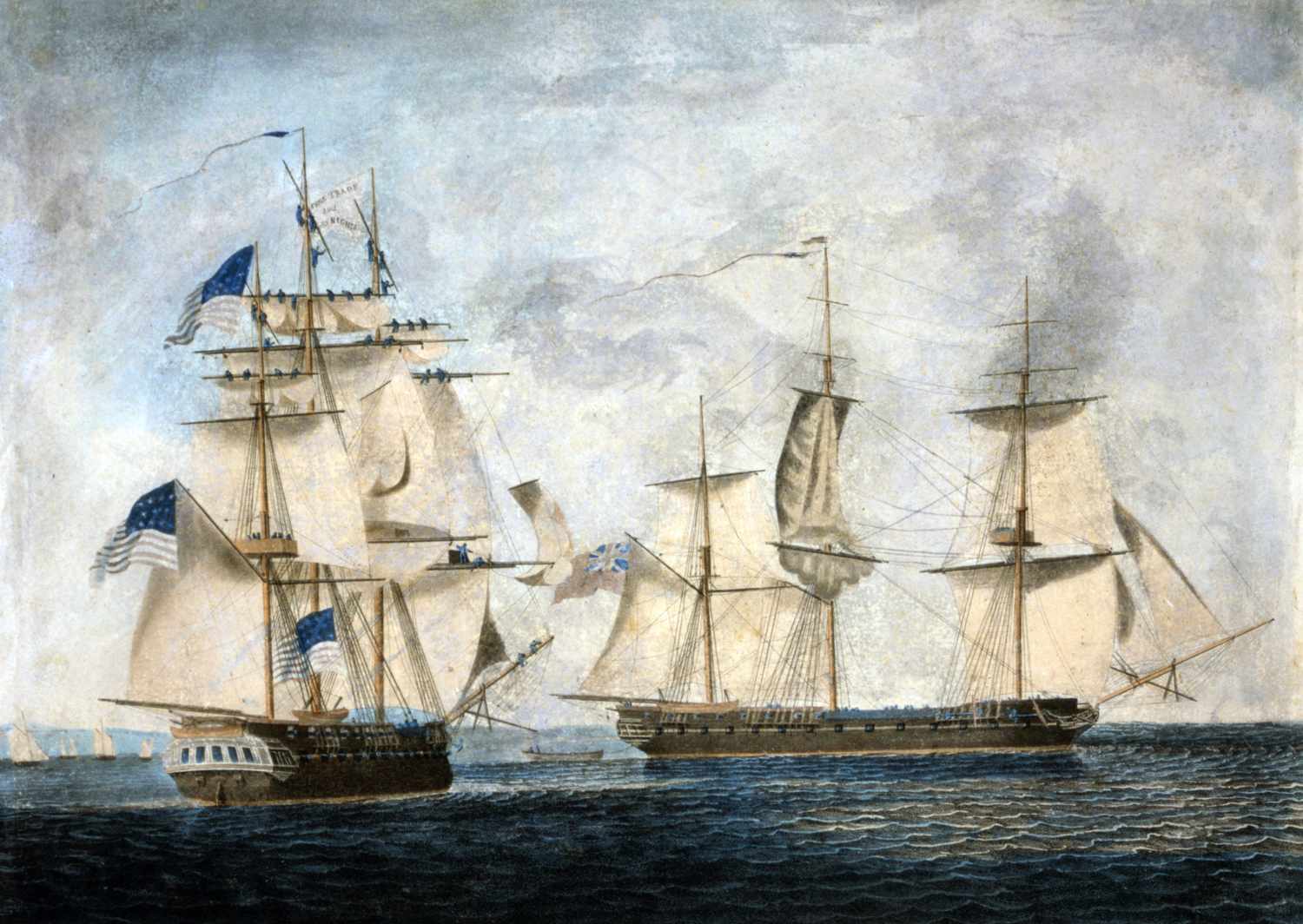
The United States declared war on Great Britain, beginning the War of 1812. The conflict included major naval actions on the Atlantic, the Great Lakes and along the North American coast. The United States Navy achieved several notable victories at sea despite being much smaller than the Royal Navy.
Aug 19, 1812
USS Constitution Defeats HMS Guerriere
On 19 August 1812, USS Constitution, commanded by Captain Isaac Hull, defeated HMS Guerrière in a single-ship action off the coast of Nova Scotia. The victory became one of the most celebrated American naval successes of the War of 1812 and earned Constitution the nickname “Old Ironsides.”
Dec 29, 1812
USS Constitution Defeats HMS Java
USS Constitution defeated HMS Java off the coast of Brazil. The victory reinforced the reputation of American frigates during the War of 1812.
1813–1859 – From the War of 1812 to the Steam Navy
Jun 1, 1813
USS Chesapeake Defeated by HMS Shannon
USS Chesapeake, commanded by Captain James Lawrence, engaged HMS Shannon off Boston, Massachusetts. After a short but extremely violent battle, Chesapeake was defeated and captured by the British. Captain Lawrence was mortally wounded, and his famous command, “Don’t give up the ship,” became an
enduring tradition of the United States Navy.
Sep 10, 1813
Battle of Lake Erie / USS Lawrence and USS Niagara
An American squadron commanded by Master Commandant Oliver Hazard Perry, commanding USS Lawrence defeated a British squadron in the Battle of Lake Erie. The victory gave the United States control of Lake Erie and allowed American forces to move troops and supplies through the region. Perry famously reported, “We have met the enemy and they are ours”.
USS Lawrence served as Perry’s flagship during the Battle of Lake Erie.
After the ship was heavily damaged, Perry transferred his command to USS
Niagara and continued the fight.
Aug 22, 1843
USS Princeton
USS Princeton was one of the first U.S. Navy warships to use screw propulsion and represented the transition toward steam-powered naval warfare. The ship represented an important transition from traditional sailing warships to steam propulsion.
Mar 9, 1847
Landing at Veracruz
U.S. forces began a major amphibious landing at Veracruz during the Mexican-American War. The operation involved the U.S. Navy and Army and resulted in the capture of the important Mexican port. Veracruz subsequently became an important base for the American campaign toward Mexico City. The operation was the largest amphibious landing in U.S. history at that time.
1846–1848
U.S. Navy in the Mexican-American War
During the Mexican-American War, the U.S. Navy conducted blockades, amphibious operations and naval bombardments along the Mexican coast. These operations demonstrated the increasing importance of naval power in supporting overseas military campaigns.
Mar 31, 1854
Treaty of Kanagawa
Commodore Matthew C. Perry negotiated and signed the Convention of Kanagawa with representatives of the Japanese government. The agreement opened Japanese ports to American ships and established a foundation for formal relations between the United States and Japan.
1855
USS Merrimack and the Steam Navy
During the 1850s, the U.S. Navy began replacing older sailing warships with steam-powered vessels. Ships such as USS Merrimack represented the Navy’s transition toward steam propulsion and later influenced the development of armored warships.
1855
USS Constitution Returns to Service
USS Constitution returned to active service after modernization, continuing the legacy of the famous frigate from the War of 1812.
1861–1865 – The Civil War and the Transformation of Naval Warfare
Apr 19, 1861
Union Blockade Begins
President Abraham Lincoln ordered a blockade of Confederate ports, a strategy that became known as the Anaconda Plan. The Union Navy used hundreds of ships to restrict Confederate trade and prevent the import of military supplies. The blockade became one of the most important naval strategies of the Civil War.
1861-1865
Development of Ironclad Warships
During the Civil War, both the Union and Confederate navies developed armored warships. These ironclads represented a major change in naval warfare, replacing traditional wooden sailing ships with steam-powered armored vessels.
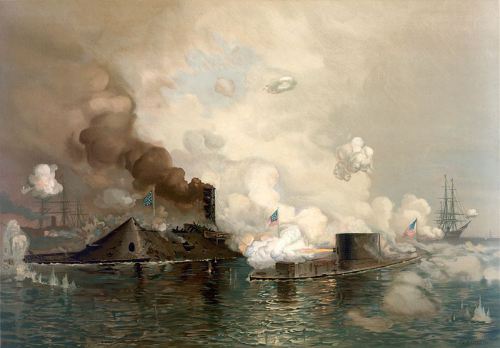
Mar 8, 1862
Battle of Hampton Roads
Union and Confederate naval forces fought the Battle of Hampton Roads in Virginia. The Confederate ironclad CSS Virginia attacked Union warships before encountering USS Monitor, a revolutionary ironclad equipped with a rotating gun turret. Their battle ended without a decisive victor but demonstrated that ironclad warships were transforming naval warfare. The battle marked the first major combat between ironclad warships and demonstrated that armored steam-powered vessels would replace traditional wooden warships.
Apr, 1862
Capture of New Orleans
Union naval forces under Flag Officer David Farragut forced their way past Confederate defenses with a fleet including USS Hartford and captured New Orleans. The victory gave the Union control of one of the Confederacy’s most important ports and a strategic section of the Mississippi River.
1863
USS Alligator, Early U.S. Navy Submarine
USS Alligator was an experimental submarine developed for the Union Navy during the Civil War. Although it never saw combat, it represented continued American interest in underwater warfare after the earlier Turtle experiment.
1862–1865
Naval Mines and Early Torpedoes
During the Civil War, naval mines and explosive devices became increasingly important weapons. Both Union and Confederate forces used mines to defend ports and waterways, changing naval warfare.
Feb 17, 1864
H.L. Hunley Sinks USS Housatonic
The Confederate submarine CSS H.L. Hunley attacked USS Housatonic off Charleston, South Carolina. The submarine became the first submarine in history to sink an enemy warship in combat. Although successful, the attack demonstrated the dangers and technical challenges of early submarine warfare. Hunley itself was lost during the attack, with all eight crew members lost.
Aug 5, 1864
Battle of Mobile Bay
Union naval forces under Rear Admiral David Farragut attacked the Confederate defenses at Mobile Bay. The fleet passed through a field of Confederate mines, known at the time as “torpedoes” and captured the bay. The battle became famous for Farragut’s reported order, “Damn the torpedoes! Full speed ahead!”
1865–1898 – Reconstruction and the Rise of the Modern U.S. Navy
April 9, 1865
End of the Civil War
The collapse of the Confederacy brought the American Civil War to an end. The Union Navy had played a major role throughout the conflict by blockading Confederate ports, supporting amphibious operations and controlling important rivers and waterways. The war also accelerated the development of steam-powered warships, ironclads, naval mines and submarine warfare. It also demonstrated that traditional wooden sailing ships were becoming obsolete.
1865–1880
Post-Civil War Decline
After the Civil War, the United States Navy rapidly reduced its fleet. Many Civil War-era ships were placed in reserve or sold, and naval development slowed. By the late 1870s, the Navy began rebuilding with newer steel ships and modern technology.
1880s
The New Steel Navy
The United States began a major transformation of its naval forces with the construction of modern steel warships. Early ships such as USS Atlanta, USS Boston and USS Chicago represented the beginning of the New Steel Navy. These ships were part of the “ABCD ships” program. New cruisers, battleships and other vessels replaced many of the older wooden and iron ships and laid the foundation for the modern U.S. Navy.
1884
United States Naval War College Founded
The United States Naval War College was established at Newport, Rhode Island, to develop advanced naval strategy and professional military education. It became an important institution for preparing future naval leaders.
1890
The Influence of Sea Power
Naval strategist Alfred Thayer Mahan published The Influence of Sea Power Upon History, arguing that strong navies and control of the seas were essential for national power. His ideas influenced naval expansion in the United States and other countries.
1895
USS Olympia (C-6)
USS Olympia became one of the most famous ships of the Spanish-American War and served as Commodore George Dewey’s flagship during the Battle of Manila Bay.
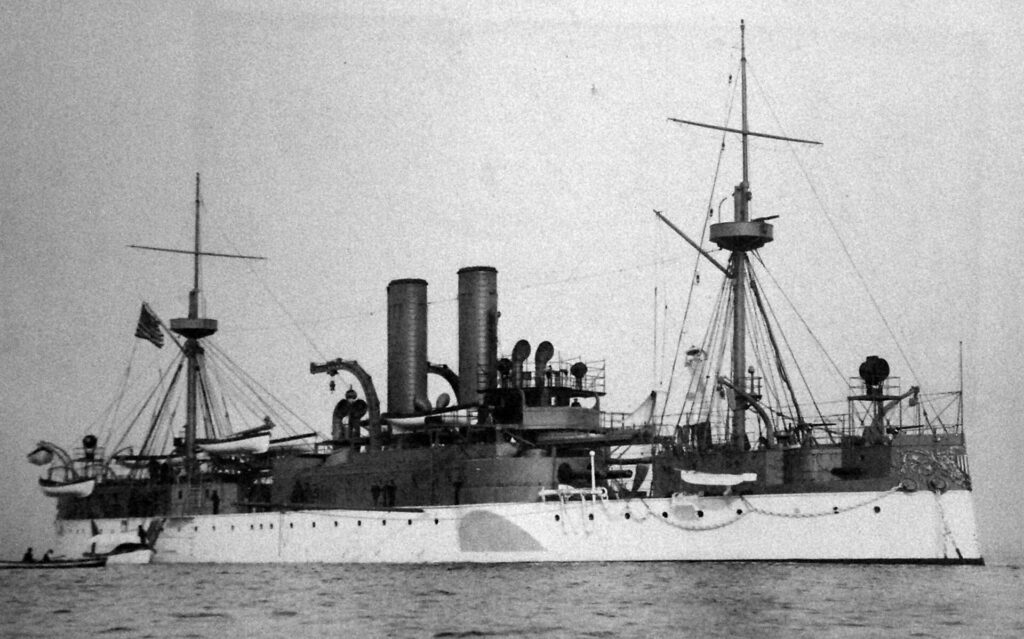
Feb 15, 1898
USS Maine Explosion
USS Maine exploded while anchored in Havana Harbor, Cuba, killing 266 American sailors and marines. The disaster intensified tensions between the United States and Spain and contributed to the growing pressure for war. The exact cause of the explosion remained disputed, but the event intensified public pressure for war. The event became a major factor leading to the Spanish-American War.
1898–1916, The U.S. Navy Becomes a Global Power
May 1, 1898
Battle of Manila Bay
Commodore George Dewey’s Asiatic Squadron defeated the Spanish Pacific Squadron in Manila Bay with minimal American losses and demonstrated the growing capability of the U.S. Navy as an overseas naval power and demonstrated the growing capability of the U.S. Navy as an overseas naval power. USS Olympia served as Commodore George Dewey’s flagship during the battle.
June, 1898
U.S. Navy and Marine Operations at Guantánamo Bay
U.S. Marines landed at Guantánamo Bay, Cuba, supported by the U.S. Navy. The operation established an important American position for naval and military operations against Spanish forces in Cuba and helped secure the approaches to Santiago de Cuba.
Jul 3, 1898
Battle of Santiago de Cuba
The U.S. Navy defeated the Spanish Caribbean Squadron as it attempted to escape from Santiago de Cuba. The Spanish Caribbean Squadron was destroyed, effectively ending Spanish naval power in the Caribbean and contributing decisively to the outcome of the Spanish-American War.
1900–1916 – Submarines and Naval Organization
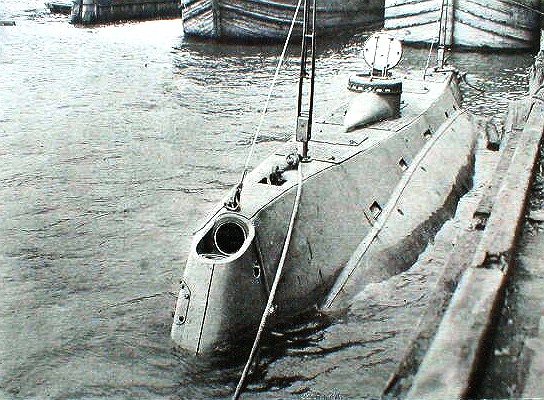
Oct 12, 1900
USS Holland (SS-1) – First U.S. Navy Submarine
Commissioned on 12 October 1900, USS Holland was the U.S. Navy’s first submarine, developed from the designs of Irish-American inventor John Philip Holland. It combined a gasoline engine for surface travel with an electric motor and batteries for submerged operations.
Primarily used for training and experimentation, Holland helped prepare naval personnel and advance submarine technology. Decommissioned on 17 July 1905, she marked the beginning of the U.S. Navy’s submarine service.
1900–1907
Rise of the American Battleship Fleet
Following the Spanish-American War, the United States expanded its battleship fleet to support its new role as a global naval power. Modern battleships became the centerpiece of the fleet and prepared the Navy for international operations.
1905–1916
Expansion of U.S. Submarine Force
After USS Holland, the U.S. Navy continued developing submarines. New classes such as the Plunger and later E-class submarines improved range, reliability and combat capability. These early submarines established the foundation of the future U.S. submarine service
Dec 16, 1907
Great White Fleet Begins World Cruise
President Theodore Roosevelt ordered the U.S. Navy’s Great White Fleet on a global voyage to demonstrate American naval power. The sixteen battleships and their supporting vessels travelled around the world between 1907 and 1909, visiting major ports and strengthening diplomatic relations. The voyage demonstrated that the United States Navy had become a global maritime power
1909
USS South Carolina – First U.S. Dreadnought Battleship
USS South Carolina (BB-26) was commissioned as the first American dreadnought battleship. With an all-big-gun main battery and advanced design, she represented a major change in battleship development.
1911
Birth of U.S. Naval Aviation
The U.S. Navy began experimenting with aircraft operations in 1911. Lieutenant Theodore Ellyson became the first naval aviator, marking the beginning of organized U.S. naval aviation and the future development of aircraft carriers.
1915–1916
Creation of the U.S. Naval Reserve
The Naval Reserve Act of 1915 and the Naval Reserve Force Act of 1916 created a trained reserve organization to expand the manpower available to the U.S. Navy during national emergencies.
Aug 29, 1916
Naval Expansion Act
The Naval Expansion Act authorized a major increase in the size of the U.S. Navy, including new battleships, cruisers, destroyers and submarines. The act prepared the Navy for a larger global role and wartime expansion.
1917–1918 – World War I
1917
Rapid Naval Expansion
After entering World War I, the United States rapidly expanded its naval forces. Hundreds of new ships, including destroyers, submarine chasers and auxiliary vessels, were constructed to support Allied operations.
Apr 6, 1917
U.S. Navy Enters World War I
The United States declared war on Germany and entered World War I. The U.S. Navy immediately began anti-submarine operations against German U-boats and prepared convoy escorts for the Atlantic crossing. and prepared to escort troop and supply convoys across the Atlantic. The Navy would eventually help transport more than two million American servicemen to Europe. The Navy also expanded rapidly, building new destroyers, submarine chasers and naval aircraft to support Allied operations.
Apr 19, 1917
First American Shots Against German Forces in WWI
The armed American merchant ship SS Mongolia, operating with a U.S. Navy gun crew, fired on a German U-boat in the English Channel. The action marked the first shots fired by the U.S. Navy against German forces during World War I.
May 8, 1917
U.S. Destroyers Begin European Operations
USS Wadsworth and USS McDougal began the first U.S. Navy combat patrol in European waters after arriving at Queenstown, Ireland. American destroyers were deployed primarily to counter the German U-boat threat and protect Allied shipping. From bases such as Queenstown, American destroyers operated alongside the Royal Navy to protect Allied shipping.
1917 – 1918
Convoy Operations Against German U-Boats
U.S. Navy destroyers played a critical role in protecting Allied convoys from German U-boats. The introduction of convoy escort systems greatly reduced losses and demonstrated the importance of anti-submarine warfare.
1918
North Sea Mine Barrage
The U.S. Navy participated in the creation of the North Sea Mine Barrage, a massive minefield designed to prevent German U-boats from entering the Atlantic. Thousands of mines were laid between Scotland and Norway in cooperation with Allied forces.
1918
Naval Aviation Expansion
During World War I, the U.S. Navy expanded its aviation branch, operating patrol aircraft and seaplanes from coastal bases and ships to detect German submarines.
Nov 11, 1918
Armistice Ends World War I
The Armistice ended the fighting between the Allied Powers and Germany. By the end of the war, the U.S. Navy had played a major role in escorting and transporting American forces and supplies across the Atlantic while supporting Allied anti-submarine operations. At the end of the war, the U.S. Navy had become one of the largest naval forces in the world.
1922–1939 – The Interwar Navy
Feb 6, 1922
Washington Naval Treaty
The United States, Britain, Japan, France and Italy signed the Washington Naval Treaty, establishing limits on the size and composition of their major naval forces. The treaty limited battleship construction, established naval tonnage ratios between major powers and influenced the development of aircraft carriers during the 1920s. The treaty also encouraged naval powers to convert existing capital ship hulls into aircraft carriers.
Mar 20, 1922
USS Langley – First U.S. Aircraft Carrier
USS Langley (CV-1) was commissioned as the first aircraft carrier of the United States Navy. Converted from the collier USS Jupiter, Langley became the first U.S.
aircraft carrier and served as an experimental platform for developing
carrier aviation. Langley was primarily an experimental carrier used to develop aircraft handling procedures, carrier operations and naval aviation tactics.
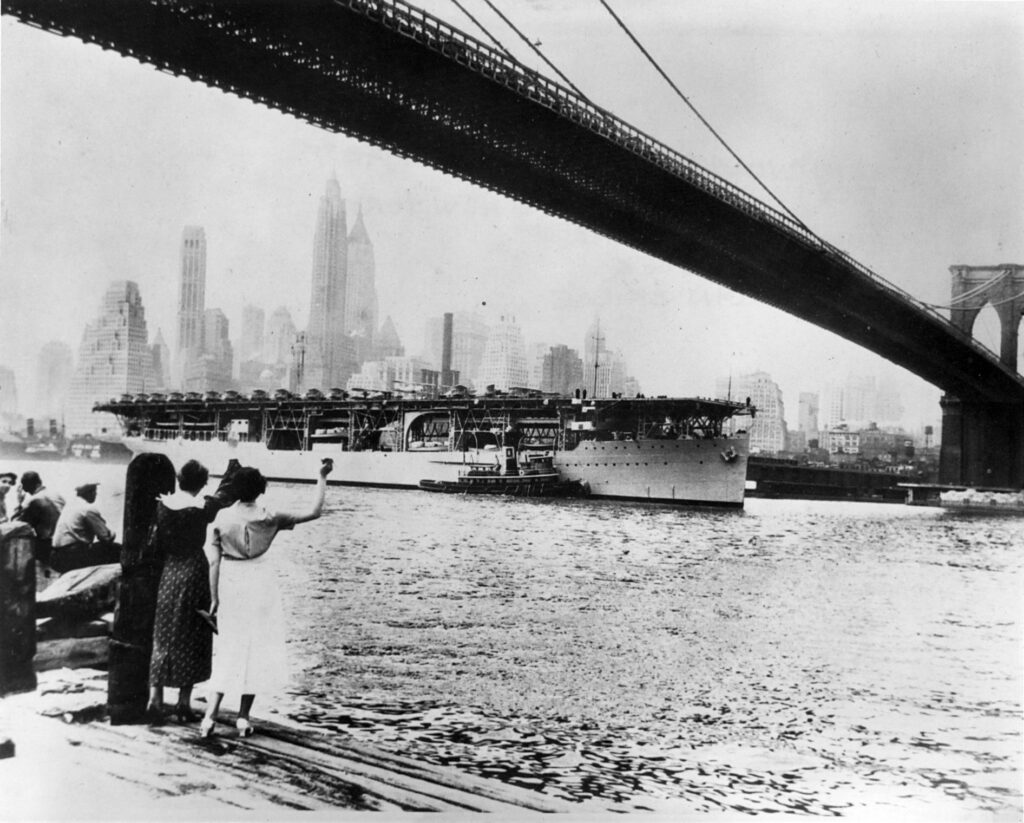
1927
USS Lexington and USS Saratoga Enter Service
USS Lexington and USS Saratoga were commissioned as large aircraft carriers converted from battlecruiser hulls under the Washington Naval Treaty. They became important training platforms for developing U.S. carrier tactics before World War II. Their large size and powerful aircraft groups provided valuable experience that shaped future carrier doctrine.
1920s – 1930s
Rise of Naval Aviation
During the interwar period, the U.S. Navy developed carrier aviation through training, exercises and operational experience. Aircraft carriers gradually evolved from experimental ships into the central element of future naval warfare.
1930s
Radio-Controlled Aircraft
The U.S. Navy developed and introduced radio-controlled aircraft for training and weapons testing. These unmanned aircraft were used as targets for anti-aircraft exercises and represented an important step toward the development of remotely controlled and guided weapons. These experiments represented an early step toward unmanned aircraft technology.
1930s
Fleet Problems and Carrier Tactics
The U.S. Navy conducted a series of large-scale Fleet Problems during the interwar period. These exercises tested aircraft carrier operations, naval aviation tactics and fleet strategy, helping prepare the Navy for future Pacific warfare. These exercises helped develop the carrier tactics that would later be used successfully during the Pacific War.
1938
First Operational U.S. Naval Radar
The experimental XAF radar system was installed aboard USS New York (BB-34). Developed through research at the Naval Research Laboratory, the system allowed the Navy to detect and track targets using radio waves and became an important foundation for modern naval radar.
1939
USS North Carolina – Beginning of the Fast Battleship Era
USS North Carolina (BB-55) was laid down in 1937 and commissioned in 1941 as the first new battleship of the U.S. Navy after the Washington Naval Treaty era. She introduced the fast battleship concept that became central to World War II naval operations.
1941–1945 – World War II
1941–1942, Pearl Harbor and the Turning Point in the Pacific
Dec 7, 1941
Attack on Pearl Harbor
Japanese carrier aircraft attacked the U.S. Pacific Fleet at Pearl Harbor, Hawaii. Several American battleships were damaged or sunk, including USS Arizona, which was destroyed with the loss of 1,177 crew members. The attack brought the United States directly into World War II. The attack destroyed or severely damaged much of the U.S. Pacific Battleship Force, but the aircraft carriers were not in port and survived. The survival of the aircraft carriers changed the future direction of naval warfare.
1941-1942
Salvage and Recovery of Pearl Harbor
After Pearl Harbor, U.S. Navy salvage teams recovered and repaired damaged ships, allowing several battleships to return to service during the Pacific War.
1942
Breaking the Japanese Naval Code
U.S. Navy cryptanalysts made significant progress in breaking Japanese naval communications and gathering intelligence about Japanese operations. The intelligence provided by codebreaking played an important role in anticipating the Japanese plan for Midway and preparing the U.S. Pacific Fleet for the battle. U.S. Navy cryptanalysts at Station HYPO in Hawaii played a key role in interpreting Japanese naval communications before the Battle of Midway.
Apr 18, 1942
Doolittle Raid
Sixteen U.S. Army Air Forces B-25 Mitchell bombers were launched from the aircraft carrier USS Hornet to attack targets in Japan. Led by Lieutenant Colonel James Doolittle, the raid was the first American air attack on the Japanese home islands and demonstrated the offensive reach of U.S. naval aviation. The raid demonstrated the offensive potential of carrier-based operations.
June 4, 1942
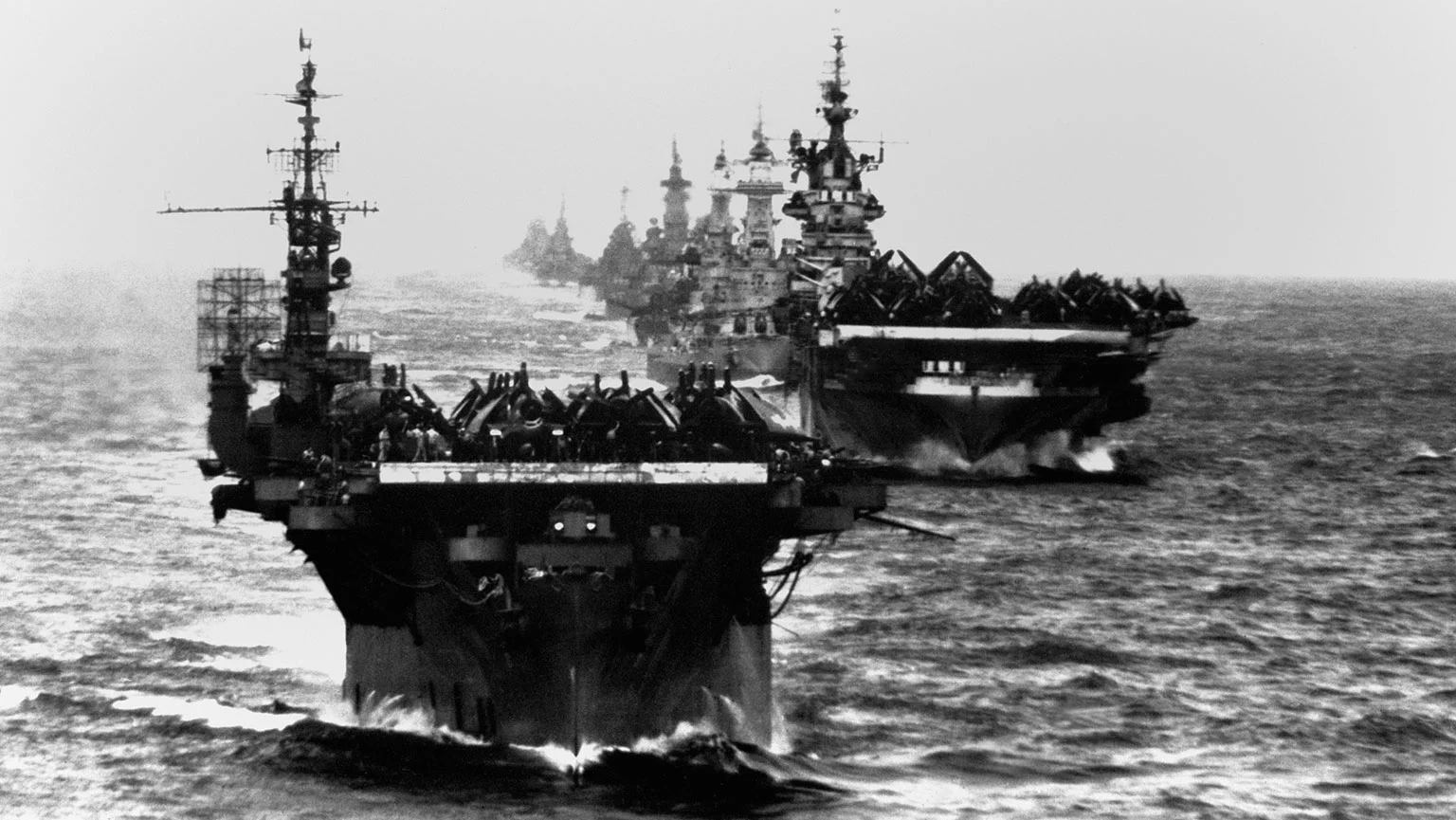
Battle of Midway
U.S. naval forces defeated a major Japanese carrier force during the Battle of Midway. American carrier aircraft sank four Japanese fleet carriers (Akagi, Kaga, Soryu and Hiryu) while the United States lost USS Yorktown. The battle was a major turning point in the Pacific War and severely reduced Japan’s carrier strength. USS Enterprise, USS Hornet and USS Yorktown formed the American carrier force. USS Yorktown was damaged during the battle and later sunk by Japanese forces.

Aug 7, 1942
Guadalcanal Campaign Begins
U.S. Marines landed on Guadalcanal in the Solomon Islands, beginning the first major Allied offensive against Japan. The campaign involved intense naval battles, including the Battles of Savo Island, Eastern Solomons and Guadalcanal, demonstrating the importance of carrier and surface warfare.
1943
USS Essex and the Fast Carrier Fleet
USS Essex (CV-9), the lead ship of the Essex-class aircraft carriers, entered service in 1943. The class became the backbone of the U.S. Navy’s fast carrier forces during the Pacific War.
1943–1944 – The Allied Offensive
1943
Development of Hunter-Killer Groups
The U.S. Navy developed dedicated hunter-killer groups using escort carriers and destroyers to locate and destroy German submarines in the Atlantic. These groups played an important role in defeating the U-boat threat.
Jun 6, 1944
D-Day – Normandy Landings
Allied forces launched the largest amphibious invasion in history on the Normandy coast of France. The U.S. Navy provided landing ships, landing craft, minesweepers, transports and naval gunfire to support the American and Allied forces coming ashore. The operation opened a major Western Front against Nazi Germany.
Jun 19, 1944
Battle of the Philippine Sea
U.S. carrier forces defeated a major Japanese naval air force during the Battle of the Philippine Sea. American fighters and anti-aircraft defenses destroyed large numbers of Japanese aircraft, while U.S. submarines and aircraft sank several Japanese carriers. The battle became known as the “Great Marianas Turkey Shoot” because of the heavy losses suffered by Japanese naval aviation.
Oct 23-26, 1944
Battle of Leyte Gulf
U.S. Navy and Allied forces fought the Imperial Japanese Navy during the Battle of Leyte Gulf in the Philippines. The battle involved submarines, battleships, cruisers, destroyers and aircraft carriers across several separate engagements. The defeat severely weakened the Japanese fleet and supported the Allied liberation of the Philippines. It was one of the largest naval battles in history and the largest naval battle of World War II.
Oct 25, 1944
First Major Kamikaze Attacks
Japanese kamikaze aircraft launched major attacks against U.S. naval forces during the Battle of Leyte Gulf. Several American ships were damaged and the escort carrier USS St. Lo was sunk. Kamikaze attacks subsequently became a major Japanese tactic during the final stages of the Pacific War.
1945 – The Defeat of Japan
Apr-Jun, 1945
Battle of Okinawa
The U.S. Navy supported the largest amphibious operation in the Pacific War during the Battle of Okinawa. Naval forces provided transport, gunfire support and air operations while facing intense kamikaze attacks.
Sep 2, 1945
Japanese Surrender
Japan formally surrendered aboard the battleship USS Missouri in Tokyo Bay, bringing World War II to an end. The ceremony marked the culmination of four years of U.S. naval operations across the Pacific and the defeat of the Japanese Empire.
1949 – 1961, The Nuclear Navy and the Cold War
Apr 26, 1949
Jesse L. Brown – First African American U.S. Navy Aviator
Jesse L. Brown became the first African American to complete U.S. Navy flight training and earn the designation of naval aviator. He later served as a combat pilot during the Korean War. He had already become the first African American to complete the Navy’s basic flight training program.
Jul 2, 1950
Battle of Chumonchin Chan
During the early stages of the Korean War U.S. and British naval forces engaged North Korean naval forces in the Battle of Chumonchin Chan. USS Juneau and Allied ships sank three North Korean torpedo boats and two motor gunboats. The engagement demonstrated the importance of Allied naval control during the early stages of the Korean War.
1950 – 1953
Naval Operations in the Korean War
The U.S. Navy supported United Nations forces during the Korean War through amphibious operations, naval gunfire, carrier aviation and blockade operations. Aircraft carriers provided continuous air support throughout the conflict.
Sep 30, 1954
USS Nautilus – First Nuclear-Powered Submarine
USS Nautilus (SSN-571) was commissioned as the world’s first nuclear-powered submarine. Developed under the leadership of Captain Hyman G. Rickover, Nautilus was the first submarine capable of sustained high-speed operations while remaining submerged for extended periods. Nautilus demonstrated that submarines could operate at high speed for long periods without surfacing.
Aug 3, 1958
USS Nautilus Reaches the North Pole
USS Nautilus became the first ship to reach the geographic North Pole while submerged, demonstrating the strategic potential of nuclear-powered submarines.
1960
Polaris and Ballistic Missile Submarines
The U.S. Navy developed the Polaris submarine-launched ballistic missile system, introducing a new era of strategic deterrence. USS George Washington (SSBN-598) became the first operational ballistic missile submarine equipped with Polaris missiles.
1961
First Strategic Deterrent Patrol
USS George Washington conducted the first operational deterrent patrol by a ballistic missile submarine, marking the beginning of continuous submarine-based nuclear deterrence.
Nov 25, 1961
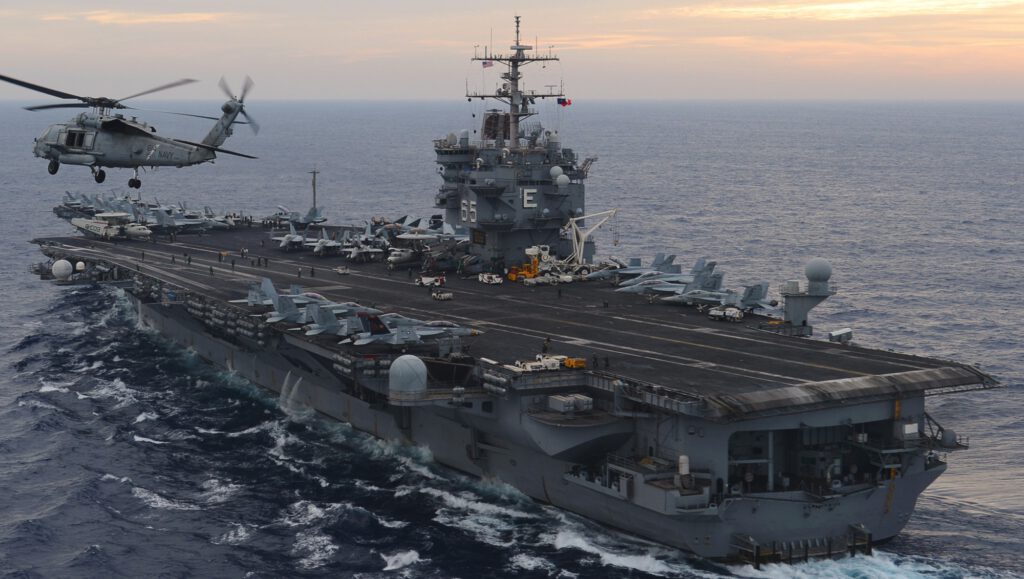
USS Enterprise – First Nuclear-Powered Aircraft Carrier
USS Enterprise (CVN-65) was commissioned as the world’s first nuclear-powered aircraft carrier. Powered by eight nuclear reactors, USS Enterprise introduced nuclear-powered carrier operations, allowing longer deployments without the need for conventional fuel supplies and became one of the most significant technological developments in Cold War naval aviation.
1962–1975 – Vietnam War and Naval Aviation
Aug 1964
Gulf of Tonkin Incident
U.S. Navy destroyers USS Maddox and USS Turner Joy reported engagements with North Vietnamese naval forces in the Gulf of Tonkin. The incident led to increased U.S. military involvement in Vietnam and expanded naval operations in Southeast Asia.
1965
USS Enterprise in Vietnam
USS Enterprise became the first nuclear-powered aircraft carrier to conduct combat operations when her aircraft participated in strikes during the Vietnam War.
1965 – 1973
Naval Gunfire Support
U.S. Navy cruisers, destroyers and battleships provided naval gunfire support along the Vietnamese coast. Ships such as USS New Jersey delivered heavy artillery fire against inland targets. Battleships, cruisers and destroyers provided continuous fire support for ground forces operating near the coast.
1968
USS New Jersey Returns to Combat
USS New Jersey (BB-62), the last active U.S. battleship, was recommissioned and provided naval gunfire support during the Vietnam War. Her powerful 16-inch guns demonstrated the continued value of battleships in coastal warfare.
1966 – 1969
Brown Water Navy Operations
The U.S. Navy created riverine forces to operate in Vietnam’s inland waterways. Patrol boats, river assault units and SEAL teams conducted operations against enemy forces in the Mekong Delta.
1964-1973
Carrier Operations in the Vietnam War
U.S. Navy aircraft carriers operated from the Gulf of Tonkin, launching air strikes and supporting operations throughout the Vietnam War. Carrier aviation became one of the main tools for projecting American air power in Southeast Asia.
Apr 19, 1972
Battle of Dong Hoi – First U.S. Navy Ship-to-Air Missile Kill
U.S. Navy ships engaged North Vietnamese coastal defenses near Dong Hoi during the Vietnam War. USS Sterett used Terrier guided missiles to shoot down a North Vietnamese MiG-17, becoming the first U.S. Navy ship to destroy an enemy aircraft with a guided missile in combat.
1975
USS Nimitz – Beginning of the Supercarrier Era
USS Nimitz (CVN-68) was commissioned as the lead ship of the Nimitz-class aircraft carriers. The class became the backbone of U.S. carrier operations for the next several decades.
Apr, 1975
Operation Frequent Wind – Evacuation of Saigon
U.S. Navy ships supported the evacuation of American personnel and Vietnamese civilians during Operation Frequent Wind, the final phase of the Vietnam War. Aircraft carriers and amphibious ships provided helicopter operations and offshore support.
1981–1988 – Naval Power in the Middle East
Aug 19, 1981
Gulf of Sidra Incident
Two U.S. Navy F-14 Tomcat fighters operating from USS Nimitz engaged two Libyan Su-22 fighters over the Gulf of Sidra. Both Libyan aircraft were shot down after an exchange of fire. The incident became one of the most significant U.S.-Libyan naval confrontations of the Cold War. The engagement demonstrated the importance of carrier-based air power and modern naval aviation during Cold War maritime operations.
1983
Naval Operations During the Lebanon Crisis
U.S. Navy ships operated in the Eastern Mediterranean during the Lebanon crisis, providing naval gunfire support and air operations. Battleship USS New Jersey fired its 16-inch guns against targets in Lebanon, marking one of the last combat uses of American battleship artillery. This represented one of the final combat uses of battleship gunfire by the United States Navy.
1983
USS Ticonderoga and the Aegis Combat System
USS Ticonderoga (CG-47) entered service as the first Aegis guided-missile cruiser. The Aegis system combined advanced radar, computer systems and missile technology, creating one of the most capable naval air-defense systems in the world.
1986
First Operational Tomahawk Cruise Missiles
The U.S. Navy introduced the Tomahawk cruise missile, giving surface ships and submarines the ability to conduct long-range precision strikes against land targets. Tomahawk missiles gave the Navy the ability to conduct long-range precision strikes from ships and submarines.
Apr 15, 1986
Operation El Dorado Canyon
U.S. Navy and Air Force aircraft conducted Operation El Dorado Canyon against targets in Libya. Navy aircraft operating from USS America and USS Saratoga took part in the strikes following the bombing of a West Berlin nightclub that had killed and injured American personnel. Navy aircraft operated from Mediterranean carrier groups and conducted strikes against Libyan targets.
Apr 14, 1988
USS Samuel B. Roberts Strikes a Mine
USS Samuel B. Roberts (FFG-58) was operating during Operation Earnest Will, protecting reflagged Kuwaiti oil tankers when she struck an Iranian mine, suffering severe damage to her hull and engineering spaces. The crew’s extensive damage-control efforts kept the ship afloat despite the destruction caused by the explosion.
Apr 18, 1988
Operation Praying Mantis
The United States Navy launched Operation Praying Mantis against Iranian targets in the Persian Gulf following the mining of USS Samuel B. Roberts. U.S. naval forces attacked Iranian oil platforms and naval vessels in one of the largest U.S. Navy surface actions since World War II. The operation involved cruisers, destroyers, aircraft and naval forces from the U.S. Fifth Fleet.
1989
Los Angeles-class Attack Submarines
The Los Angeles-class nuclear attack submarines became the backbone of the U.S. Navy submarine fleet during the late Cold War. Their speed, stealth and advanced sonar systems made them a key element of American undersea warfare.
1991
End of the Cold War and U.S. Navy Global Operations
The collapse of the Soviet Union in 1991 marked the end of the Cold War and changed the strategic role of the United States Navy. The Navy shifted from preparing for a large-scale conflict with the Soviet fleet toward maintaining global maritime security, supporting regional operations and responding to emerging threats. U.S. naval forces continued to operate worldwide, providing power projection, crisis response and humanitarian assistance.
1991–2001, The Post-Cold War Navy
Jan 17, 1991
Operation Desert Storm – First Large-Scale Use of Naval Precision Strike Combat
The U.S. Navy played a major role during Operation Desert Storm against Iraq. During Operation Desert Storm, U.S. Navy ships and submarines launched Tomahawk cruise missiles against Iraqi targets. The operation demonstrated the effectiveness of naval precision-guided weapons and long-range strike capability.
1990s
Network-Centric Naval Warfare
The U.S. Navy increasingly integrated satellites, advanced sensors, Aegis systems and precision weapons to create a more connected and information-driven naval force. The Navy increasingly integrated satellites, digital communications,
sensors and precision weapons, creating a more connected and
information-driven fighting force.
1992
USS Missouri Decommissioned
USS Missouri (BB-63), the last commissioned battleship of the United States Navy, was decommissioned after service during World War II, Korea and the Gulf War. Its retirement marked the end of the battleship era in the U.S. Navy.
Sep 10, 1995
First NATO Combat Use of Tomahawk Cruise Missiles
USS Normandy (CG-60) launched Tomahawk missiles against Bosnian Serb targets, demonstrating the continued importance of naval precision strike capability after the Cold War. The strikes demonstrated the growing role of long-range precision-guided missiles in U.S. naval operations.
1997-1998
USS Seawolf – Advanced Attack Submarine
USS Seawolf (SSN-21) entered service as the lead ship of a new generation of nuclear attack submarines. The class introduced advanced stealth, sonar and weapons capabilities designed for undersea dominance in the post-Cold War era.
Dec 1998
Operation Desert Fox
U.S. Navy ships and submarines launched Tomahawk cruise missiles against Iraqi targets during Operation Desert Fox. The operation demonstrated the continued use of naval precision strike capabilities.
Oct 12, 2000
USS Cole Attack
USS Cole (DDG-67) was attacked by suicide bombers while refueling in Aden, Yemen. The attack killed 17 U.S. Navy sailors and highlighted the growing threat of asymmetric warfare against naval forces.
2001–2010, War on Terror and Humanitarian Operations
Sep 14, 2001
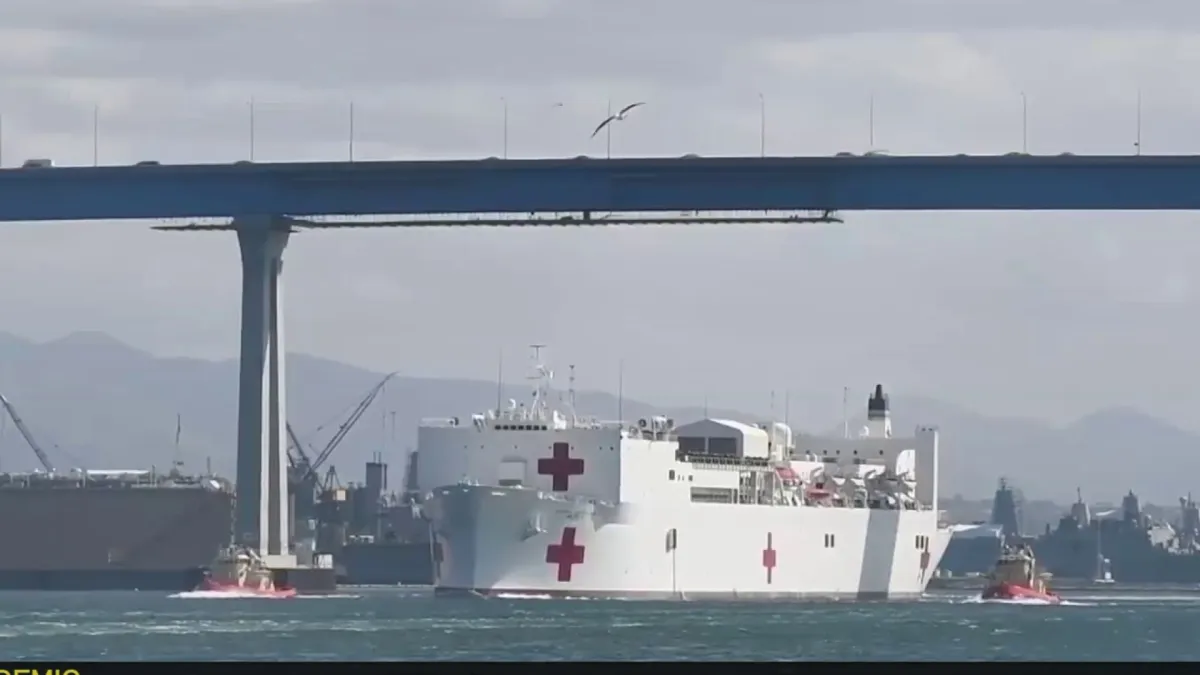
USNS Comfort Responds to 9/11
USNS Comfort provided medical and humanitarian support in New York City following the September 11 attacks and provided support during the emergency response after the attacks. USNS Comfort arrived in New York City following the terrorist attacks of September 11, 2001.
Oct, 2001
Operation Enduring Freedom
U.S. Navy aircraft carriers, surface ships and submarines supported Operation Enduring Freedom following the September 11 attacks. Naval aviation conducted air operations against Taliban and Al-Qaeda targets in Afghanistan, while ships provided cruise missile strike capability and logistical support.
2002
USS Ohio Converted to Guided Missile Submarine
The U.S. Navy began converting four Ohio-class ballistic missile submarines into guided missile submarines (SSGNs). These submarines gained the ability to launch large numbers of Tomahawk cruise missiles and support special operations forces.
Mar, 2003
Operation Iraqi Freedom
The U.S. Navy played a major role during the invasion of Iraq. Aircraft carriers provided air power, while cruisers and submarines launched Tomahawk cruise missiles against Iraqi targets. Amphibious forces supported ground operations. Naval forces also supported special operations missions and provided logistics throughout the campaign.
2004
USS Virginia Commissioned
USS Virginia (SSN-774) entered service as the lead ship of the Virginia-class attack submarines. The Virginia-class became the replacement for the Los Angeles-class attack submarines for 21st-century naval warfare.
Dec 2004 – 2005
Operation Unified Assistance
U.S. Navy forces deployed to Southeast Asia to provide humanitarian assistance following the devastating Indian Ocean earthquake and tsunami. U.S. Navy carrier strike groups, amphibious ships and aircraft provided one of the largest humanitarian relief operations in naval history.
Sep 2, 2005
Navy Assistance After Hurricane Katrina
U.S. Navy and Military Sealift Command forces provided humanitarian assistance following Hurricane Katrina. Navy personel, ships and aircraft supported rescue, medical care, transportation anddisaster-relief operations along the Gulf Coast.
2008-2010
Littoral Combat Ship Program
USS Freedom (LCS-1) and USS Independence (LCS-2) introduced a new class of fast, modular warships designed for operations in coastal environments. The program focused on flexible mission packages including mine warfare, surface warfare and anti-submarine operations.
2009
Counter-Piracy Operations
U.S. Navy ships participated in international operations against piracy off the coast of Somalia, protecting commercial shipping and supporting maritime security.
Jan, 2010
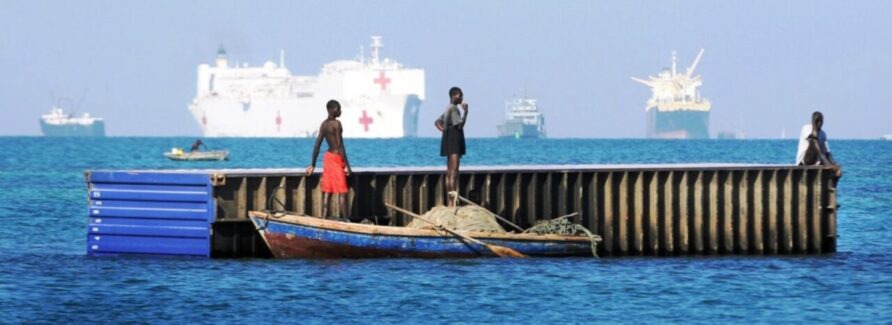
Operation Unified Response – Haiti Earthquake Relief
USNS Comfort deployed to Haiti following the devastating earthquake of January 12, 2010. The hospital ship provided medical treatment, surgery and humanitarian assistance during one of the largest U.S. Navy disaster-relief operations.
Mar 11, 2011
Operation Tomodachi
USS Ronald Reagan and other U.S. Navy forces supported Japan following the devastating earthquake and tsunami of March 2011. Navy ships and aircraft delivered humanitarian assistance, transported supplies and personnel, and supported search-and-rescue and disaster-relief operations.
May 2, 2011
Operation Neptune Spear
U.S. Navy SEALs conducted Operation Neptune Spear, a special operations mission that targeted Osama bin Laden’s compound in Abbottabad, Pakistan. Bin Laden was killed during the operation, which was conducted with support from other U.S. military forces.
Nov 13, 2013
Operation Damayan
U.S. Navy forces participated in Operation Damayan following Typhoon Haiyan in the Philippines. USS George Washington and other ships provided aviation support, medical assistance and disaster relief. USS George Washington and other ships and aircraft provided humanitarian assistance, medical support, transportation, supplies and disaster-relief capabilities to affected communities.
Oct 15, 2016
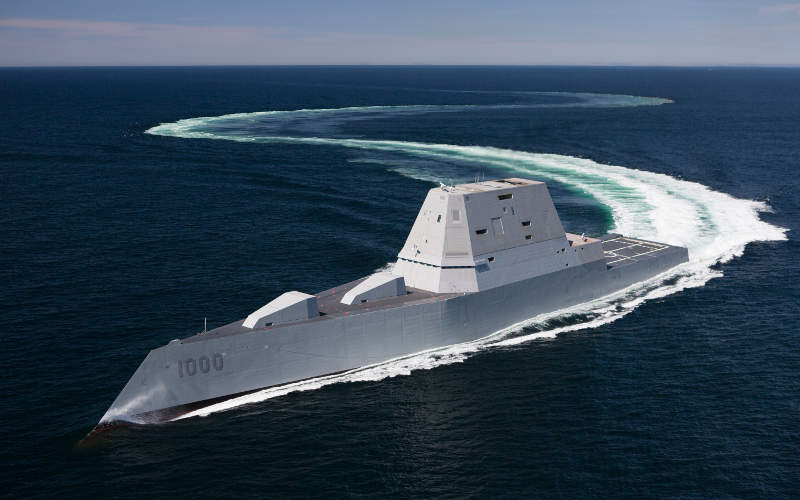
USS Zumwalt – Next-Generation Stealth Destroyer
USS Zumwalt (DDG-1000) was commissioned as the lead ship of the Zumwalt-class guided missile destroyers. The ship introduced advanced technologies including a stealth-oriented hull design, integrated electric propulsion and advanced sensor systems. Although the class remained limited in size, Zumwalt represented an important step in the development of future surface combatants and the integration of advanced naval technologies.
2014 – 2018
Renewed Focus on Peer Naval Competition
During the 2010s, the U.S. Navy increasingly focused on maintaining maritime superiority in response to the growing capabilities of other major naval powers. This led to renewed emphasis on fleet size, advanced weapons, distributed operations and modernization.
2015–2025
Distributed Maritime Operations Concept
The U.S. Navy developed the concept of Distributed Maritime Operations (DMO), focusing on a more dispersed fleet structure using advanced sensors, long-range weapons, unmanned systems and networked operations. The concept reflects the changing nature of modern naval warfare and the need for flexible operations across multiple domains.
Jan 12, 2016
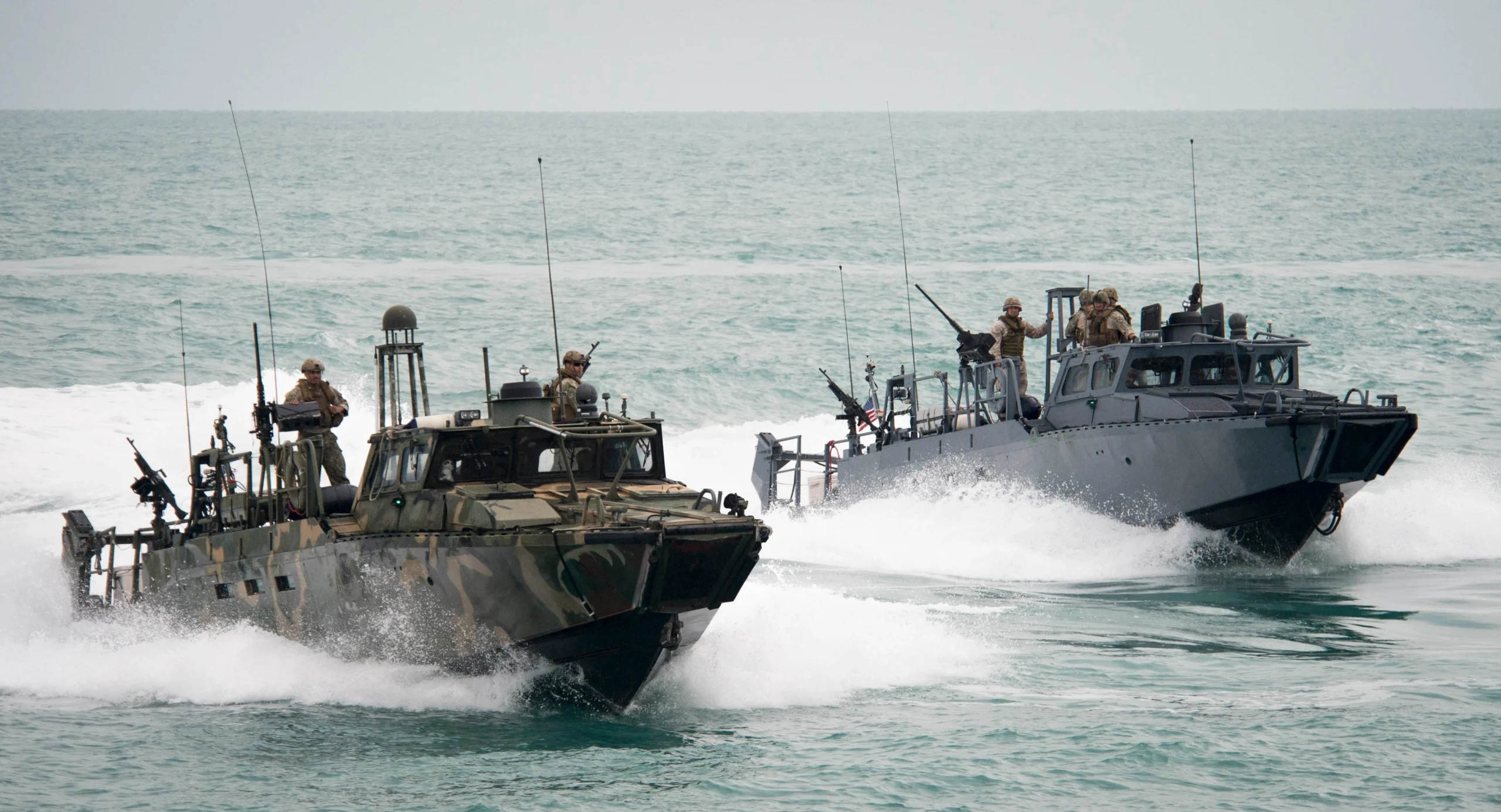
Riverine Command Boats Detained by Iran
Two U.S. Navy Riverine Command Boats and their ten Sailors were detained by Iranian forces after the boats unintentionally entered Iranian territorial waters near Farsi Island in the Persian Gulf. The Sailors and boats were released after a brief detention.
Oct 2021
USS Connecticut Undersea Collision
USS Connecticut (SSN-22), a Seawolf-class attack submarine, collided with an underwater object while operating in the South China Sea. The incident highlighted the continuing challenges of undersea navigation, intelligence and operations in contested waters.
2022
USS Zumwalt and Hypersonic Missile Development
USS Zumwalt began conversion efforts to support the integration of the Conventional Prompt Strike hypersonic missile system. The program represented the Navy’s effort to adapt existing platforms for future long-range precision strike capabilities.
2017 – 2023
USS Gerald R. Ford Class – Next Generation Aircraft Carrier
The Ford-class aircraft carriers introduced new technologies including electromagnetic aircraft launch systems (EMALS), advanced arresting gear and increased automation. USS Gerald R. Ford (CVN-78) completed its first operational deployment in 2022–2023, demonstrating the capabilities of the new carrier design.
Apr 7, 2017
Tomahawk Strike on Syria
U.S. Navy destroyers USS Porter and USS Ross launched 59 Tomahawk Land Attack Missiles against Shayrat Airfield in Syria. The strike demonstrated the continued role of U.S. Navy surface ships in long-range precision strike operations.
Jun 17, 2017
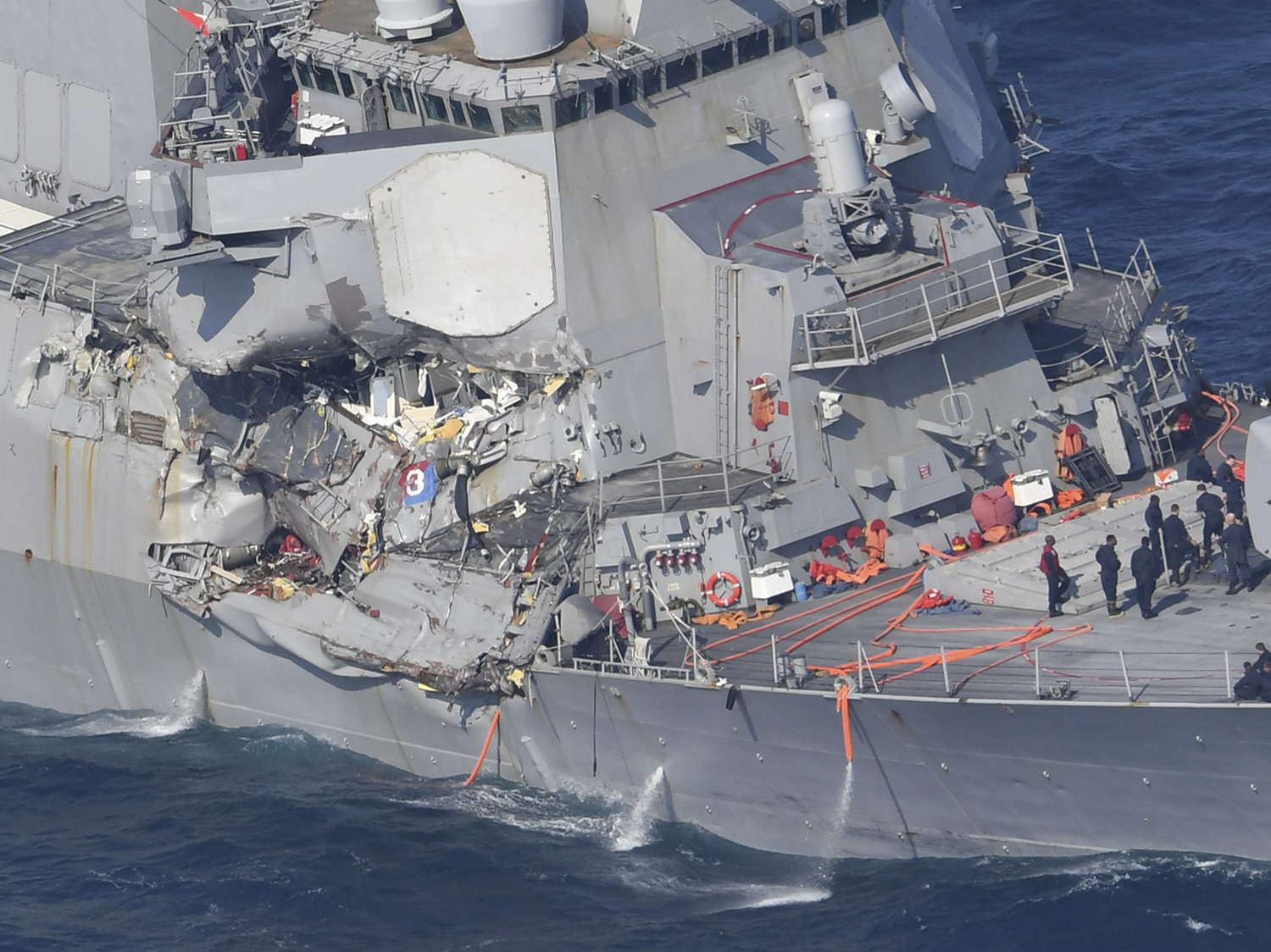
USS Fitzgerald collision
USS Fitzgerald (DDG-62) collided with the merchant vessel ACX Crystal off the coast of Japan. The collision caused extensive damage to the destroyer and resulted in the deaths of seven U.S. Navy Sailors.
Aug 21, 2017
USS John S. McCain collision
USS John S. McCain (DDG-56) collided with the tanker Alnic MC near Singapore. The collision caused significant damage to the destroyer and resulted in the deaths of ten U.S. Navy Sailors.
2020s – Modern Naval Operations and Maritime Security
2020s
Navy Support During the COVID-19 Pandemic
Navy medical personnel, facilities and hospital ships supported civilian communities during the COVID-19 pandemic response. Navy medical personel, facilities and hospital ships were used to support civilian communities and assist with the national response to the crisis.
2020s
Expansion of Unmanned Naval Systems
The U.S. Navy increased development of unmanned surface vessels, underwater vehicles and autonomous systems to expand surveillance, mine warfare, reconnaissance and combat capabilities. Unmanned systems became increasingly important for surveillance, reconnaissance, mine warfare and future distributed naval operations.
2020s
Renewed Focus on Maritime Competition
During the 2020s, the U.S. Navy focused on maintaining maritime superiority through fleet modernization, advanced weapons, unmanned systems and distributed naval operations. Competition with other major naval powers influenced shipbuilding priorities and strategic planning.
2020s
Hypersonic Missile Development
The U.S. Navy continued developing hypersonic weapons designed to provide increased speed, range and advanced strike capability against modern threats.
2020s
Columbia-Class Ballistic Missile Submarine Program
The U.S. Navy began development of the Columbia-class ballistic missile submarines, designed to replace the Ohio-class submarines and continue the sea-based nuclear deterrent into the future.
2021
Unmanned Aircraft Refueling
The U.S. Navy continued the development of the MQ-25 Stingray, an unmanned carrier-based aircraft designed primarily to provide aerial refueling for carrier aircraft. The system represents an important step in the integration of unmanned aircraft into carrier aviation. The MQ-25 represents the first operational carrier-based unmanned aircraft system in the U.S. Navy.
2022 – 2023
USS Gerald R. Ford First Deployment
USS Gerald R. Ford conducted its first operational deployment, demonstrating new carrier technologies including electromagnetic aircraft launch systems and advanced automation.
2023-2024
USS Carney and Modern Air Defense Operations
USS Carney (DDG-64) demonstrated the importance of modern naval air defense by intercepting cruise missiles and unmanned aerial vehicles in the Red Sea region. The operations highlighted the growing role of Aegis-equipped destroyers against modern missile and drone threats.
Dec 18, 2023
Operation Prosperity Guardian
The United States and international partners established Operation Prosperity Guardian to strengthen maritime security in the Red Sea and Gulf of Aden following attacks on commercial shipping. The multinational operation brought together naval forces from several countries to help protect freedom of navigation and international shipping.
2024
USS Dwight D. Eisenhower Carrier Strike Group – Red Sea Operations
USS Dwight D. Eisenhower (CVN-69) and its carrier strike group conducted extensive operations in the Red Sea region during 2024. The carrier strike group supported maritime security operations, protected freedom of navigation and conducted air operations against threats to international shipping. The deployment demonstrated the continued importance of aircraft carriers, carrier aviation and integrated naval forces in modern maritime operations.
2024
Development of Advanced Anti-Submarine Warfare
The U.S. Navy continued to develop advanced anti-submarine warfare capabilities using conventional ships, aircraft and unmanned systems. Exercises such as Red Guardian 2024 combined traditional anti-submarine warfare with emerging unmanned technologies and multi-domain operations.
References:
1. www.militarywives.com