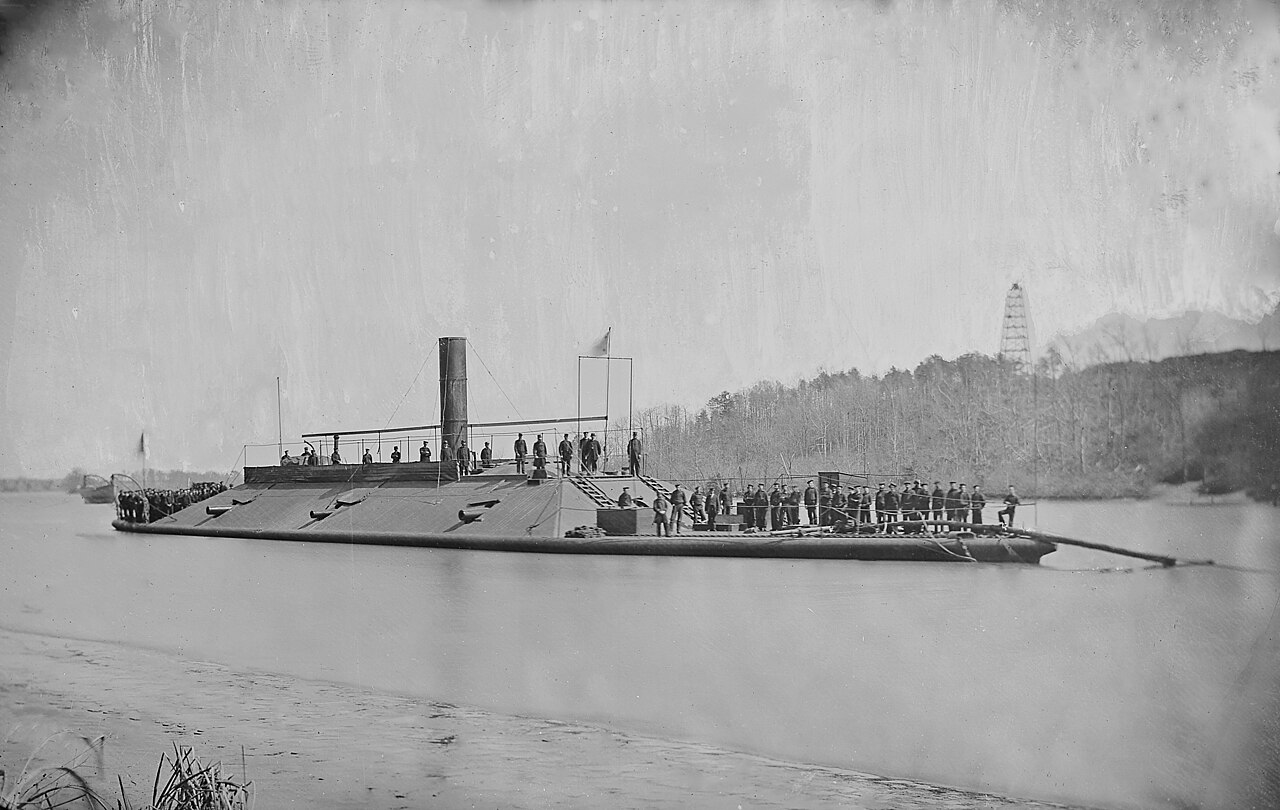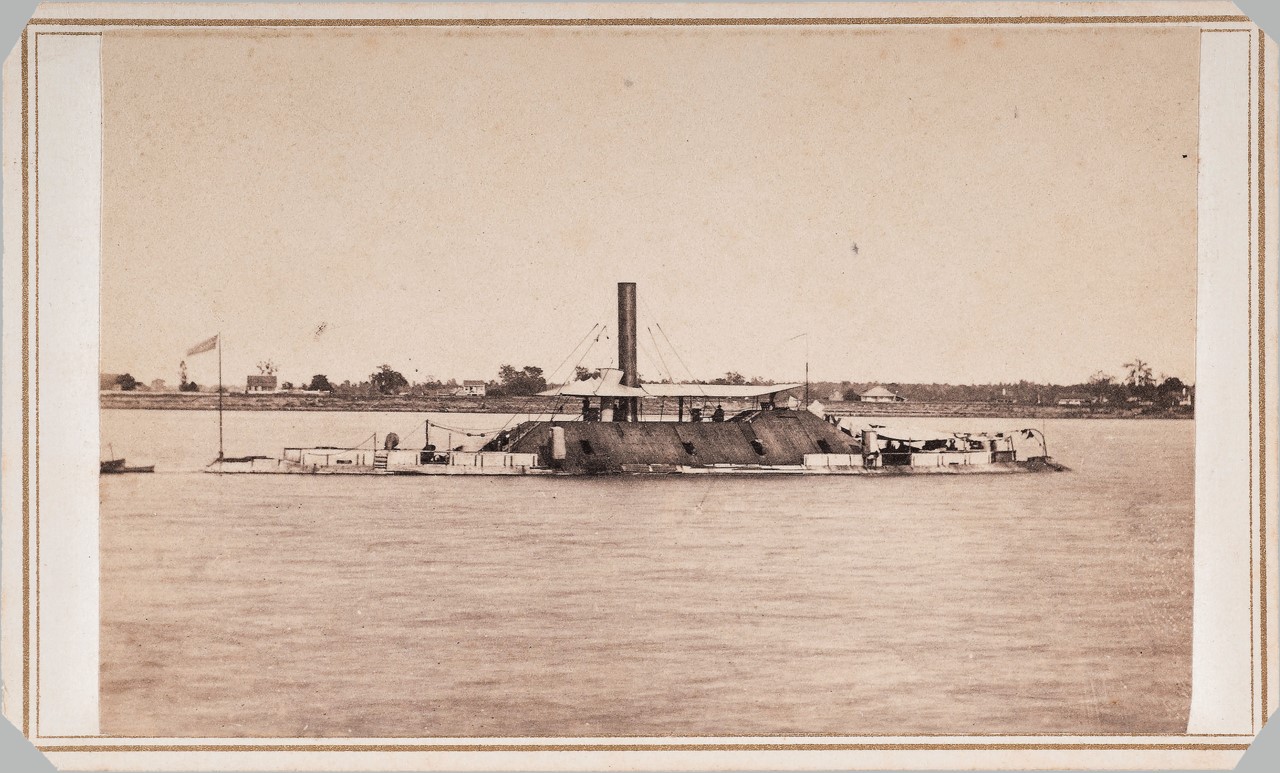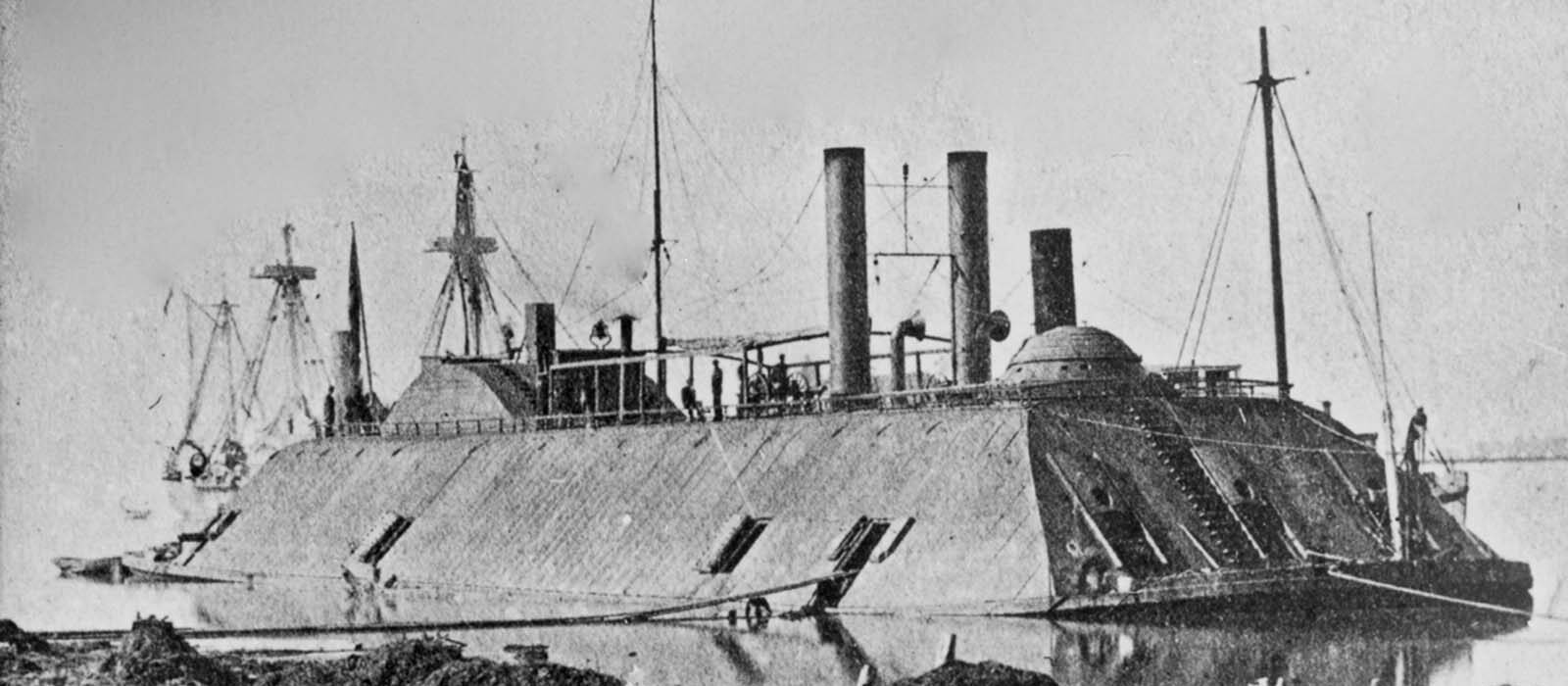
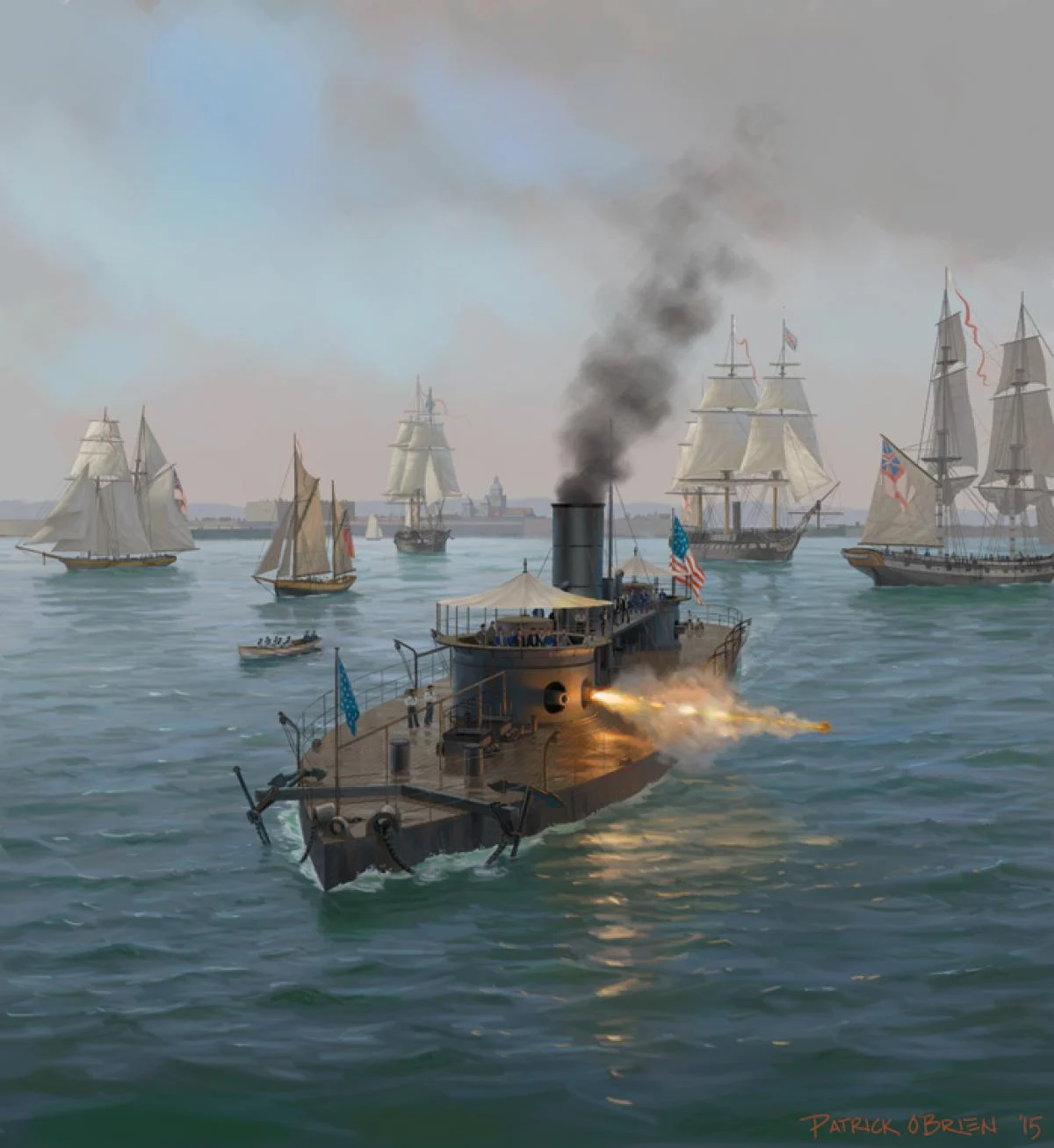
The development of ironclad warships marked one of the most significant transformations in naval warfare during the 19th century. Before the American Civil War, wooden sailing ships dominated the world’s navies, but advances in steam propulsion, metallurgy, and naval artillery led to the introduction of armored warships that would permanently change the design and tactics of naval combat.
During the American Civil War (1861–1865), both the Union and Confederate navies developed ironclad vessels to overcome the limitations of traditional wooden warships. These ships were protected by iron or steel armor plates, allowing them to withstand enemy gunfire and engage in close-range combat. Although many early ironclads were experimental designs, they demonstrated the future direction of naval technology.
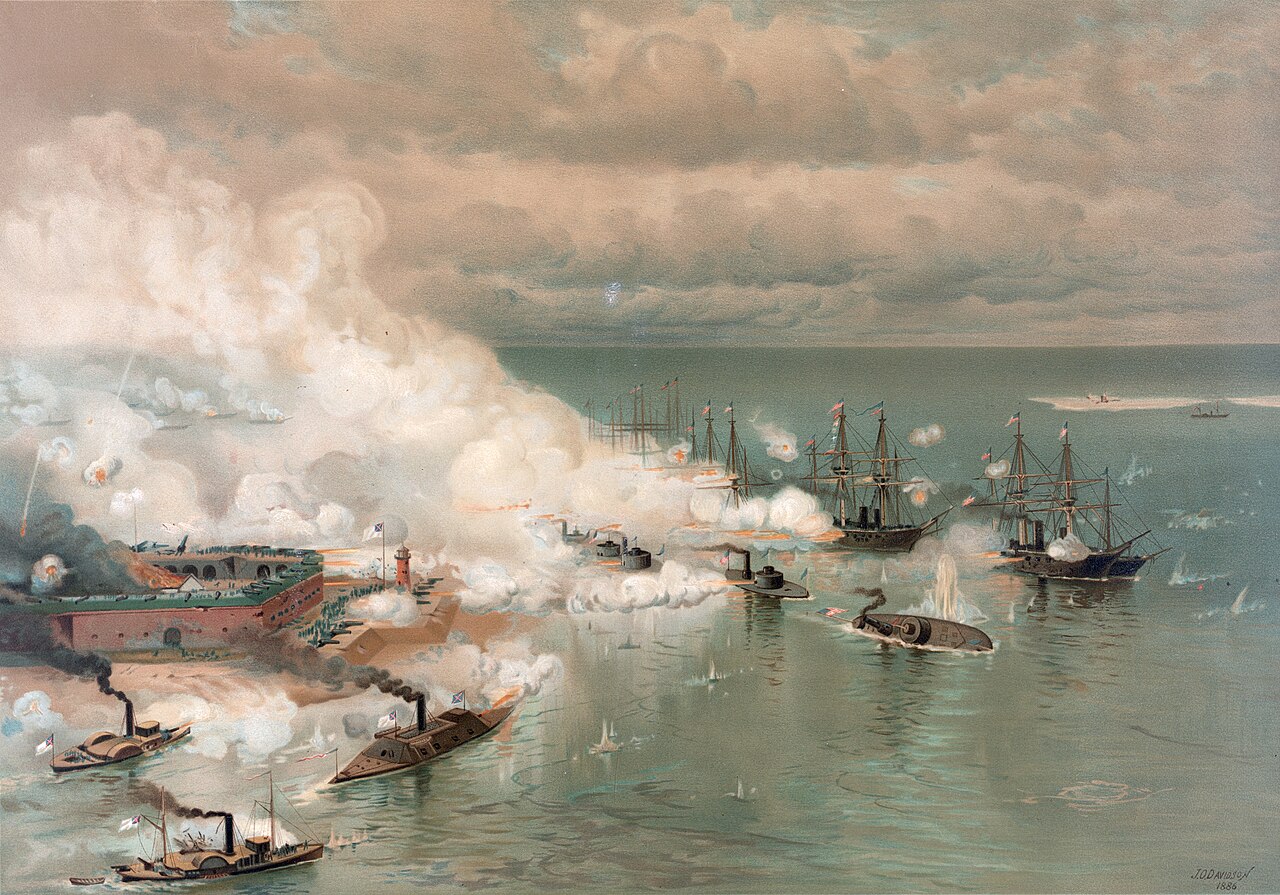
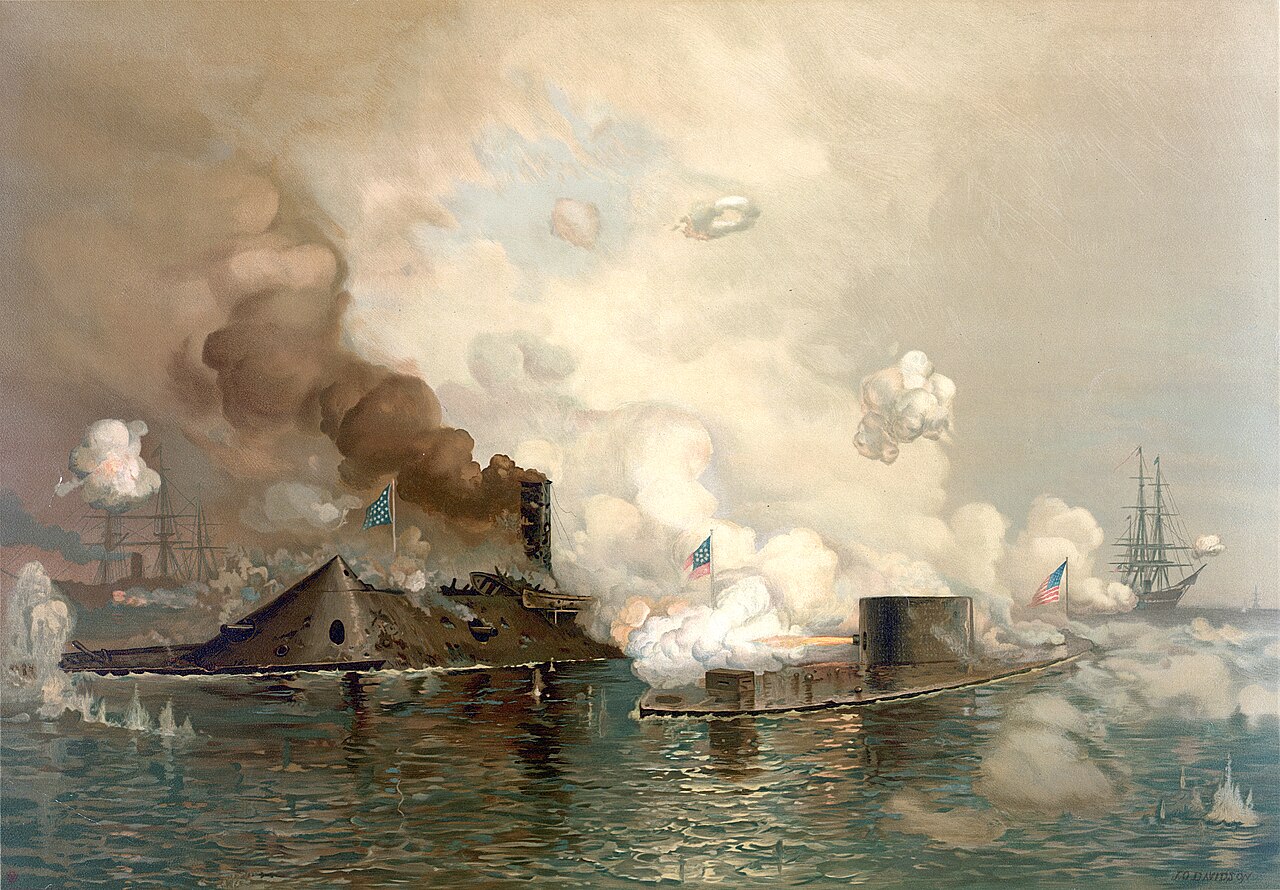
The United States Navy built and operated several classes of ironclad warships during and after the Civil War. These included ocean-going armored frigates, armored gunboats, and turreted vessels. The famous battle between the USS Monitor and the CSS Virginia in 1862 became a defining moment in naval history and introduced the world to the era of the armored warship.
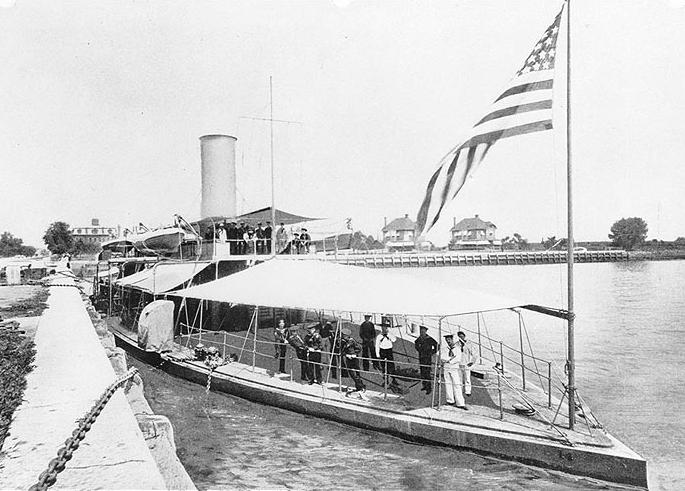
While the term *ironclad* covers a wide range of armored vessels, *monitors* represented a specific type of ironclad warship characterized by their low freeboard, rotating gun turret, and heavy armament. The success of the USS Monitor led to the construction of several monitor classes in the United States Navy, but other ironclad designs continued to play important roles in coastal defense, river operations, and fleet development.
This section provides an overview of the United States Navy’s ironclad warships, including their classes, individual ships, technical characteristics, and historical service. Together, these vessels represent the transition from the age of sail to the modern era of steam-powered and armored naval warfare.
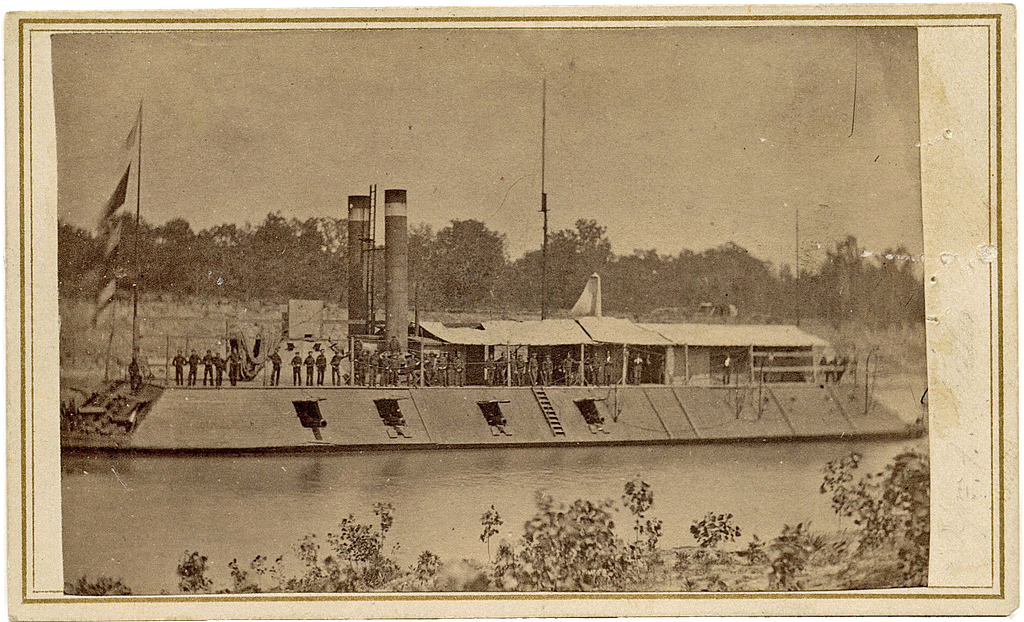
Early / Seagoing Ironclads
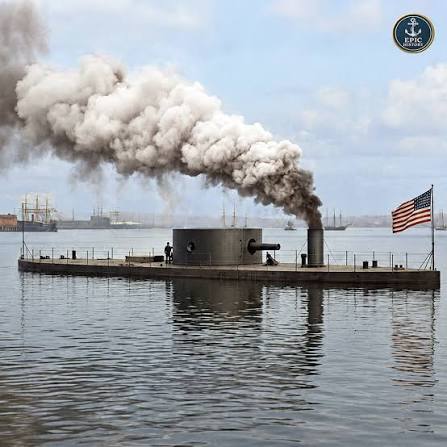
Monitors were a specific type of ironclad warship characterized by their low freeboard and rotating armored turret. Although monitors are classified as ironclads, they represent a separate design concept from traditional broadside ironclads. For a complete overview of US Navy monitors, see the dedicated US Monitors page.
Early Seagoing Ironclads and Experimental Designs
Name | Type | Class | Commissioned | Decommissioned | Notes |
USS Monitor | Monitor | Monitor | 25-02-1862 | -- | First operational monitor; lost in a storm on 31-12-1862 |
USS Galena | Broadside Ironclad | Galena | 21-04-1862 | 1865 | Broken up in 1872 |
USS New Ironsides | Broadside Ironclad | New Ironsides | 21-08-1862 | 1865 | Destroyed by fire in 1866 |
USS Keokuk | Turreted Ironclad | Keokuk | 15-03-1863 | -- | Experimental turreted ironclad; sunk at Charleston on 07-04-1863 |
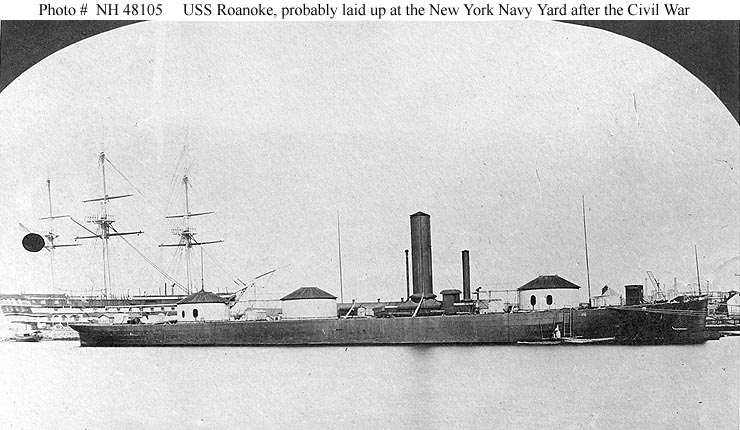
USS Roanoke | Turreted Ironclad | Roanoke | 29-06-1863 | 1865 | Converted from a wooden steam frigate; broken up in 1883 |
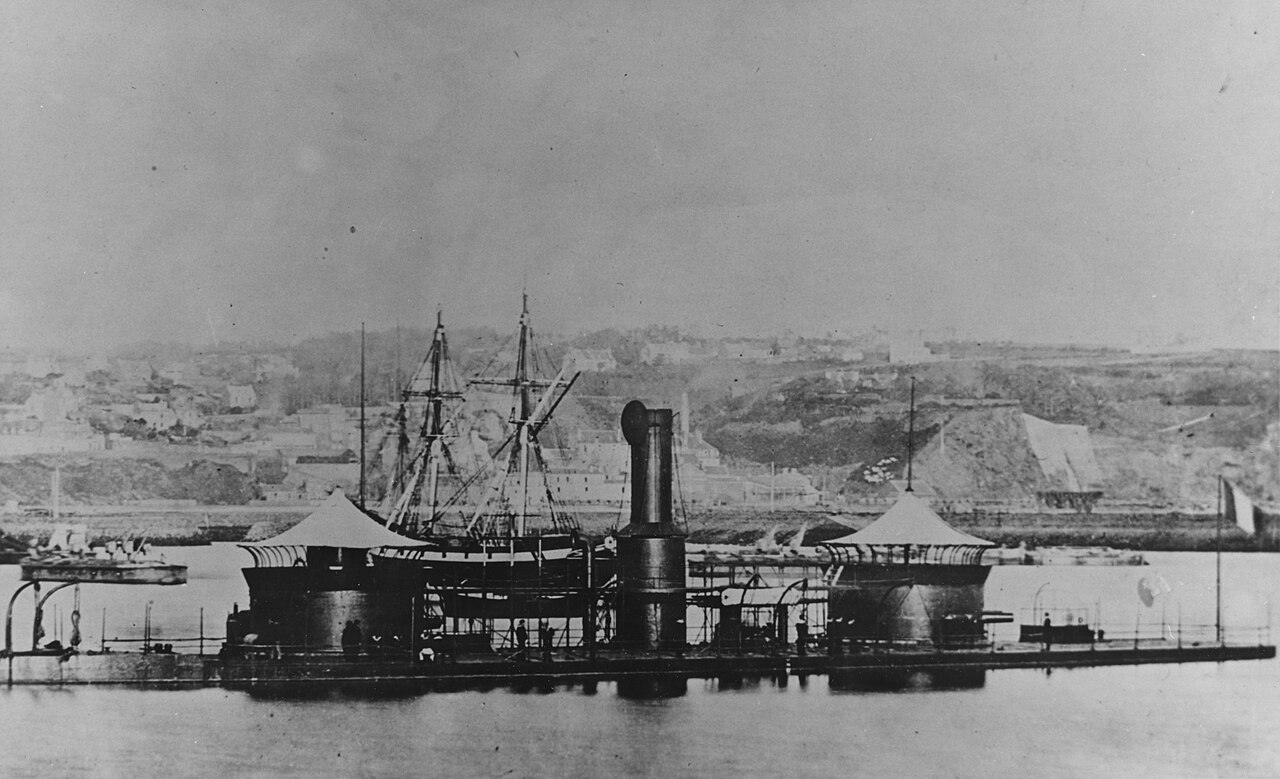
USS Onondaga | Monitor | Onondaga | 24-03-1864 | 1867 | Double turret monitor; sold to France in 1867 |
USS Dictator | Monitor | Dictator | 11-11-1864 | 1865 | Large single turret monitor; sold for scrap in 1883 |
USS Puritan | Monitor | Puritan | Never comm. | -- | Compl. after the Civil War; project cancelled and hull abandoned |
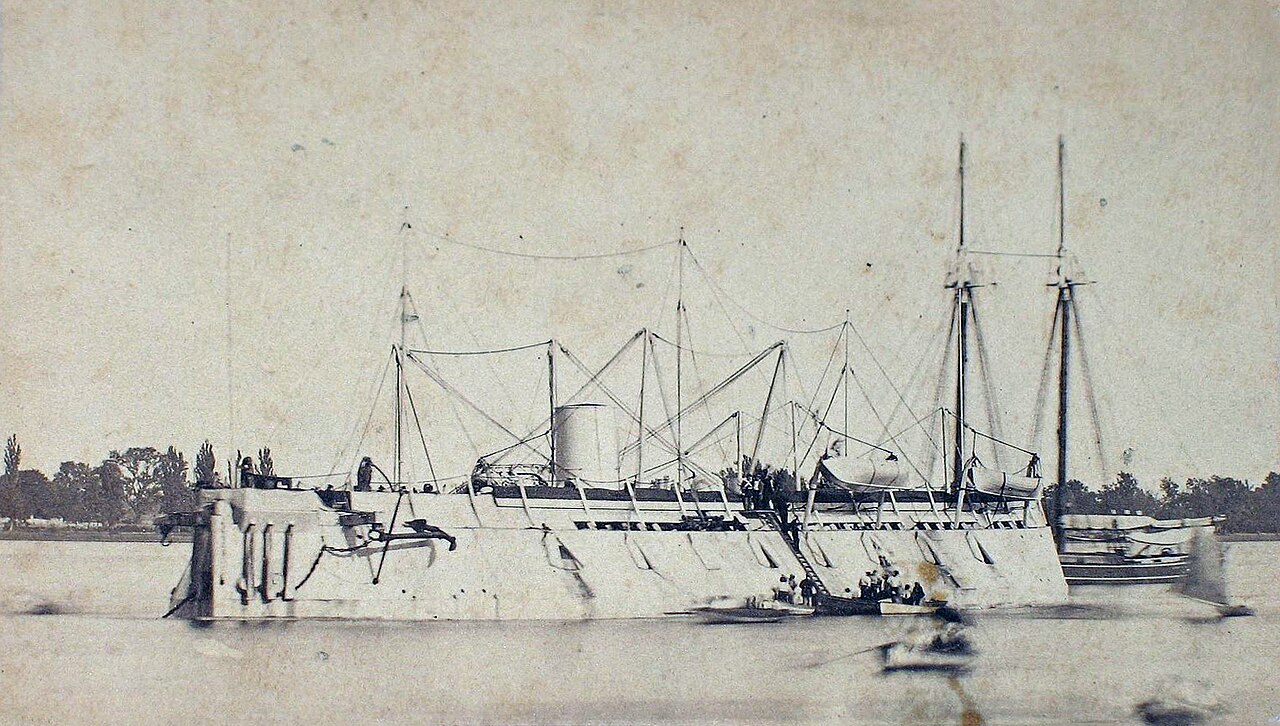
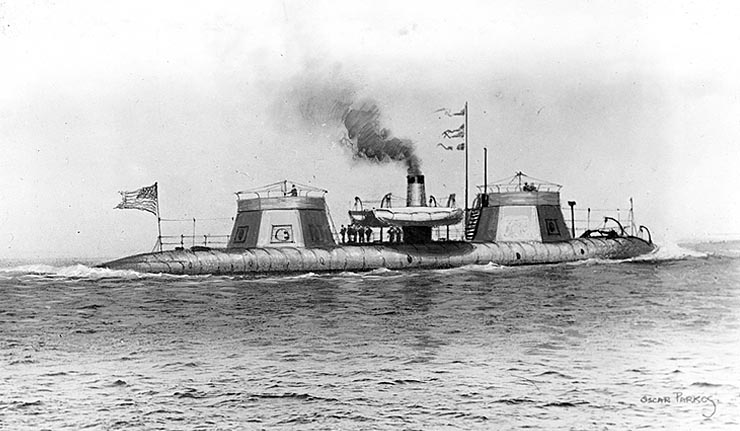
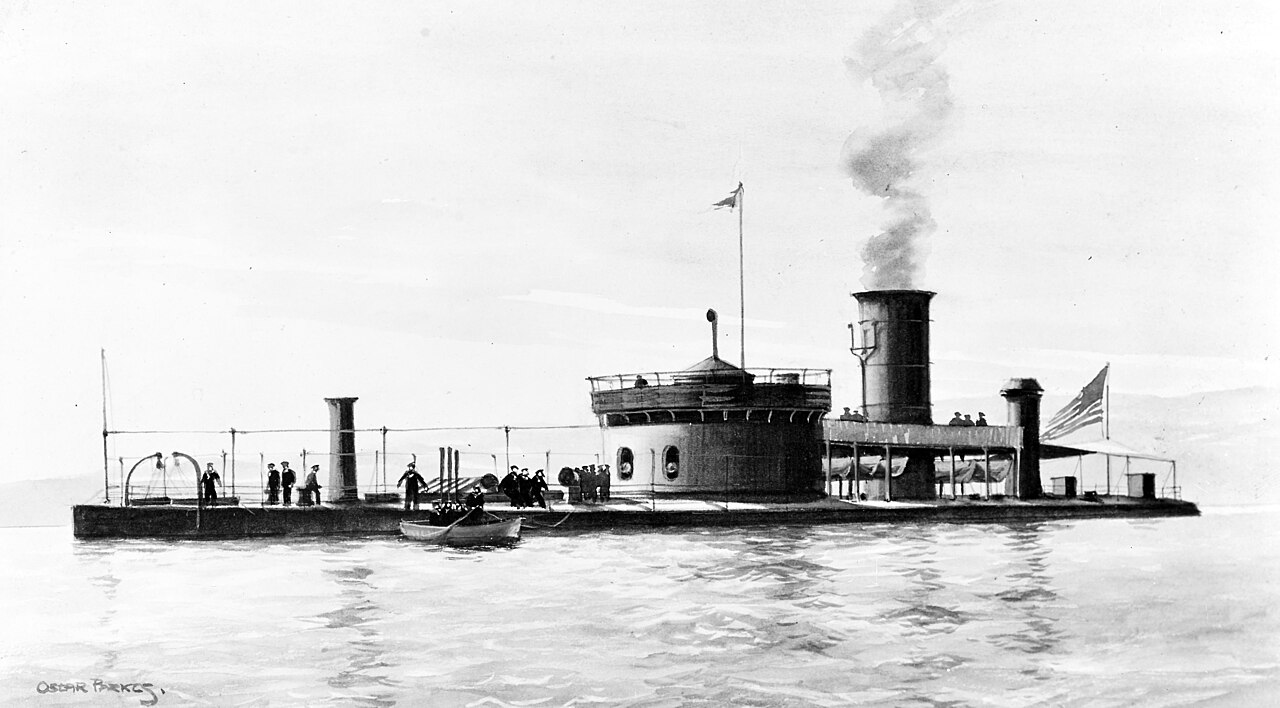
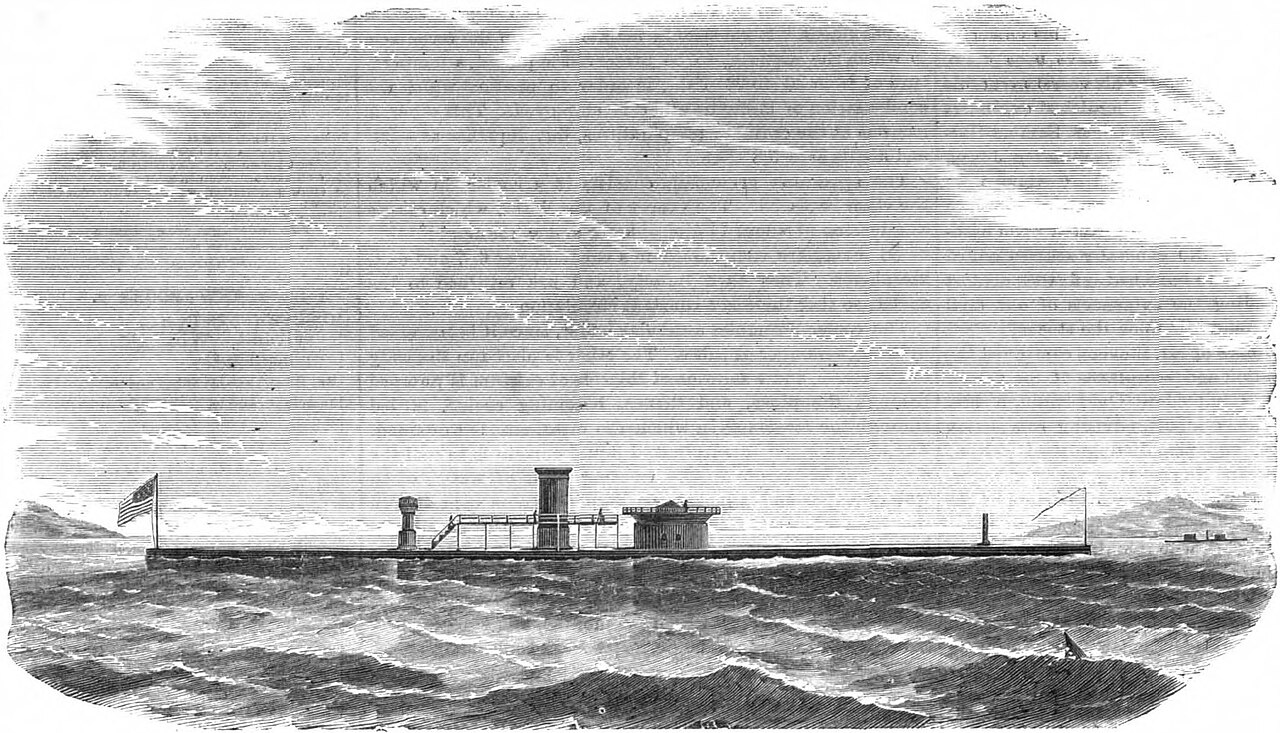
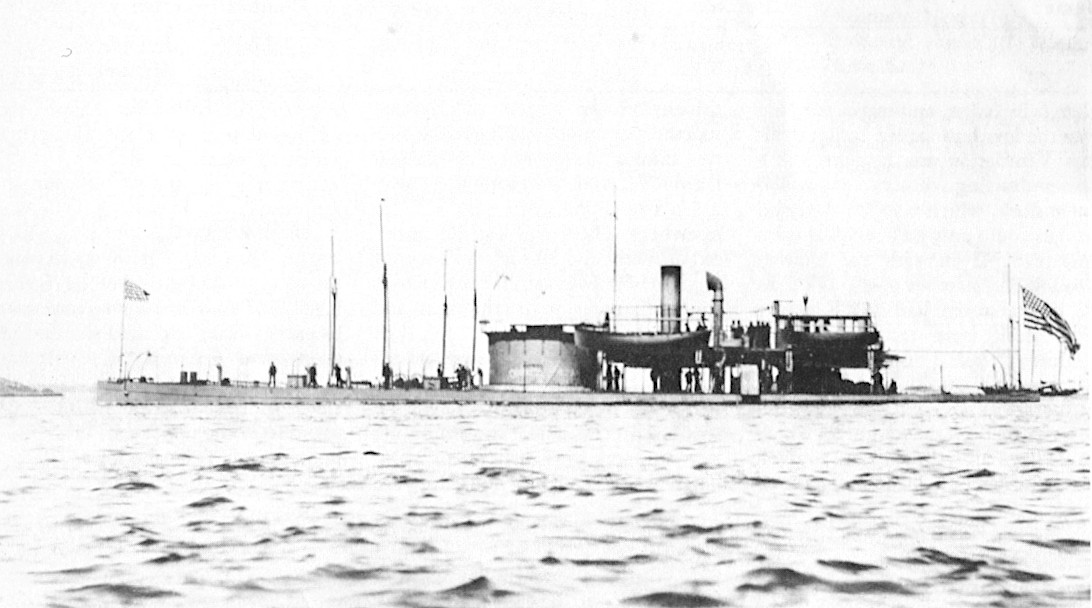
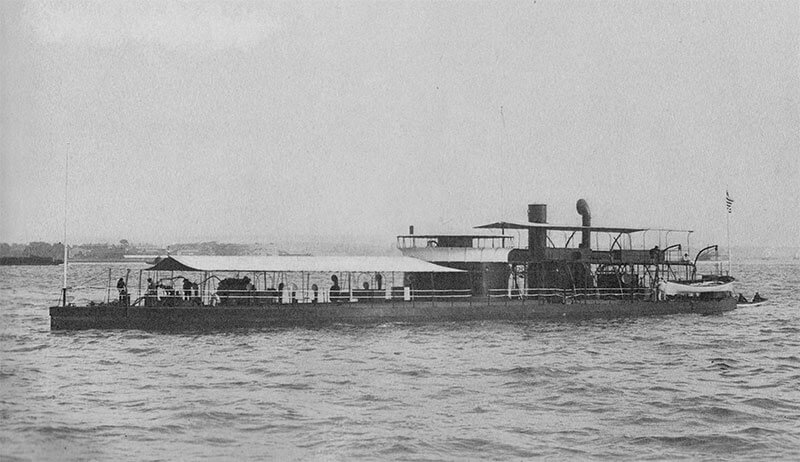
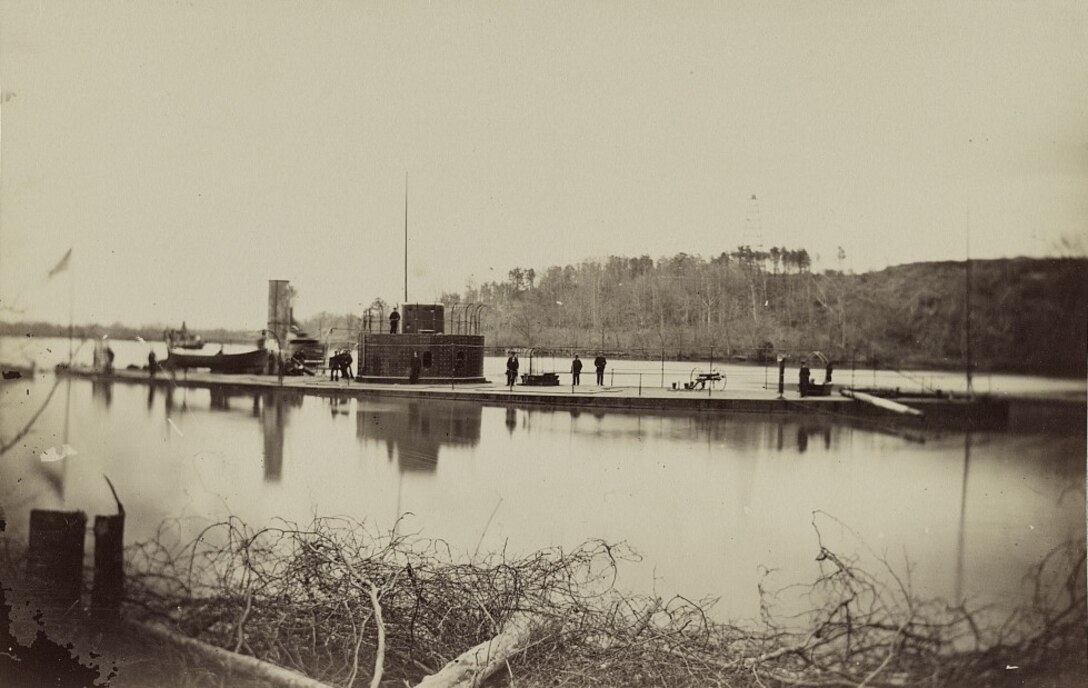
Passaic class
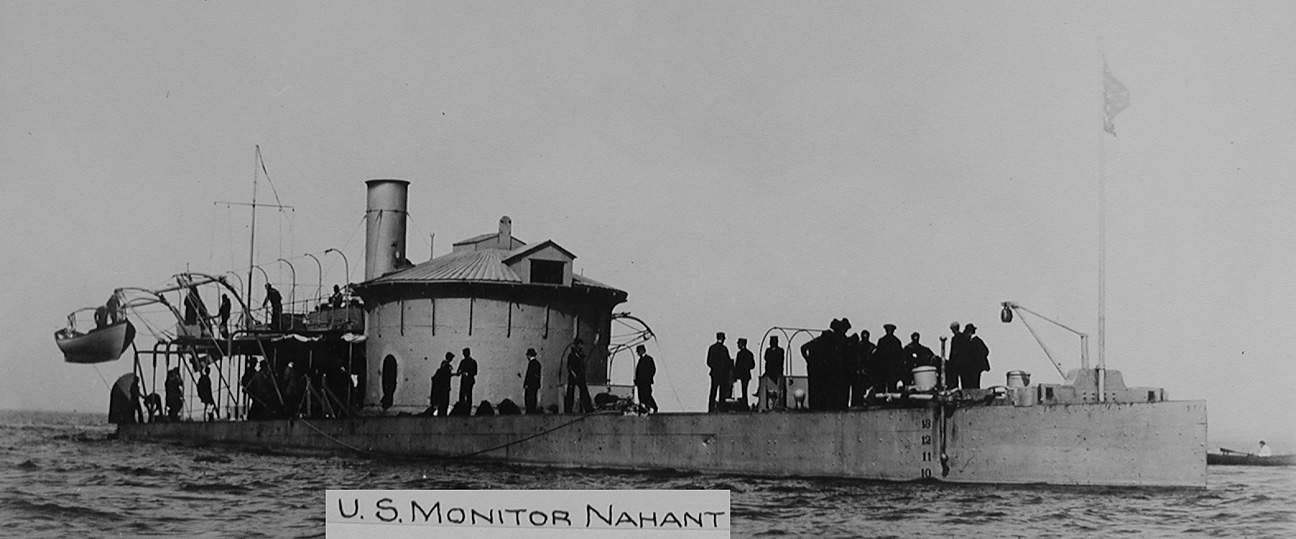
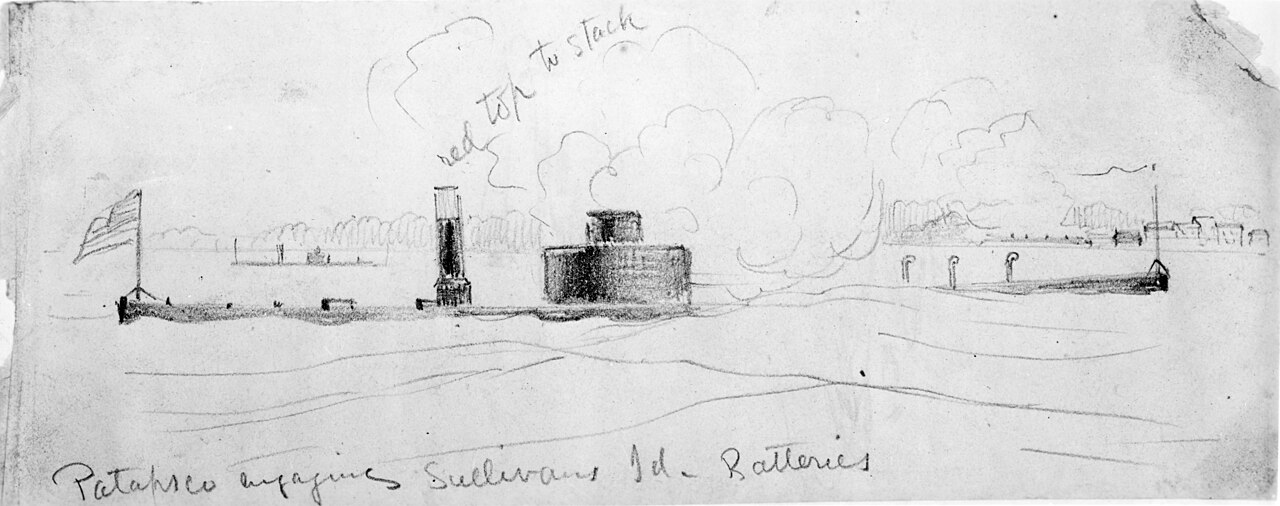
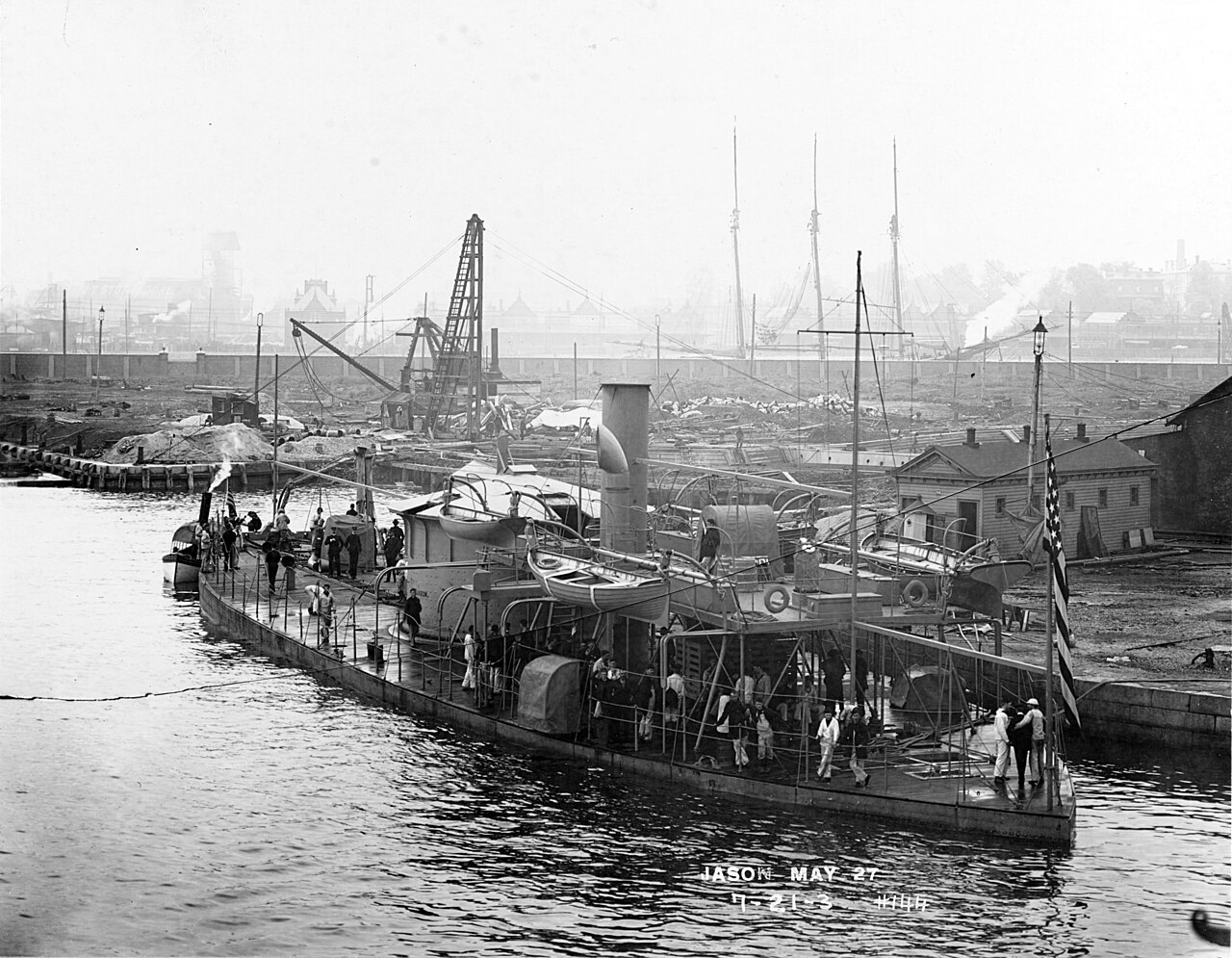
The Passaic-class ironclad monitors of the U.S. Navy saw service in the U.S. Civil War and the Spanish–American War. The class was an improved version of the USS Monitor equipped with a 15-inch Dahlgren gun in place of one of the 11-inch guns.
Name | Type | Class | Commissioned | Decommissioned | Notes |
USS Passaic | Monitor | Passaic | 25-11-1862 | 1899 | Sold for scrap 1899 |
USS Montauk | Monitor | Passaic | 14-12-1862 | 1904 | Sold for scrap 1904 |
USS Nahant | Monitor | Passaic | 29-12-1862 | 1869 | Sold for scrap 1869 |
USS Patapsco | Monitor | Passaic | 02-01-1863 | -- | Sunk by mine on 15-01-1865 |
USS Weehawken | Monitor | Passaic | 10-01-1863 | -- | Sunk on 06-12-1863 |
USS Sangamon | Monitor | Passaic | 09-02-1863 | 1905 | Sold for scrap 1905 |
USS Catskill | Monitor | Passaic | 24-11-1862 | 1874 | Sold for scrap 1874 |
USS Nantucket | Monitor | Passaic | 26-02-1863 | 1905 | Sold for scrap 1905 |
USS Lehigh | Monitor | Passaic | 17-01-1863 | 1879 | Sold for scrap 1879 |
USS Camanche | Monitor | Passaic | 19-01-1864 | 1868 | Sold for scrap 1868 |
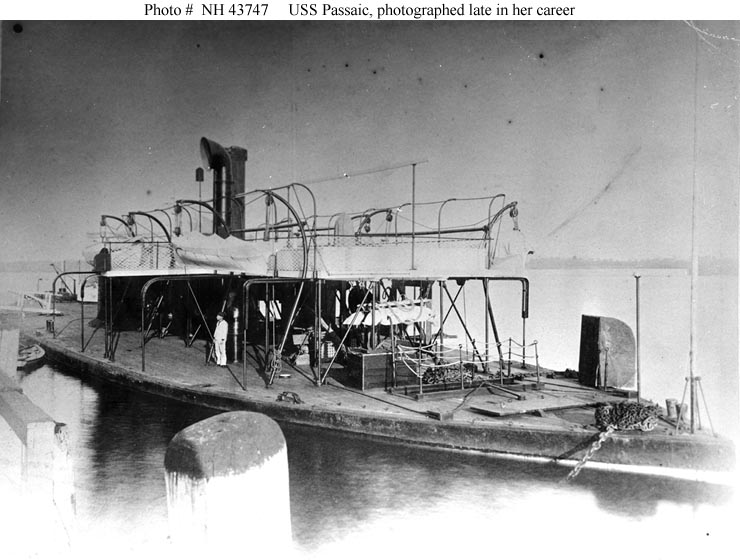
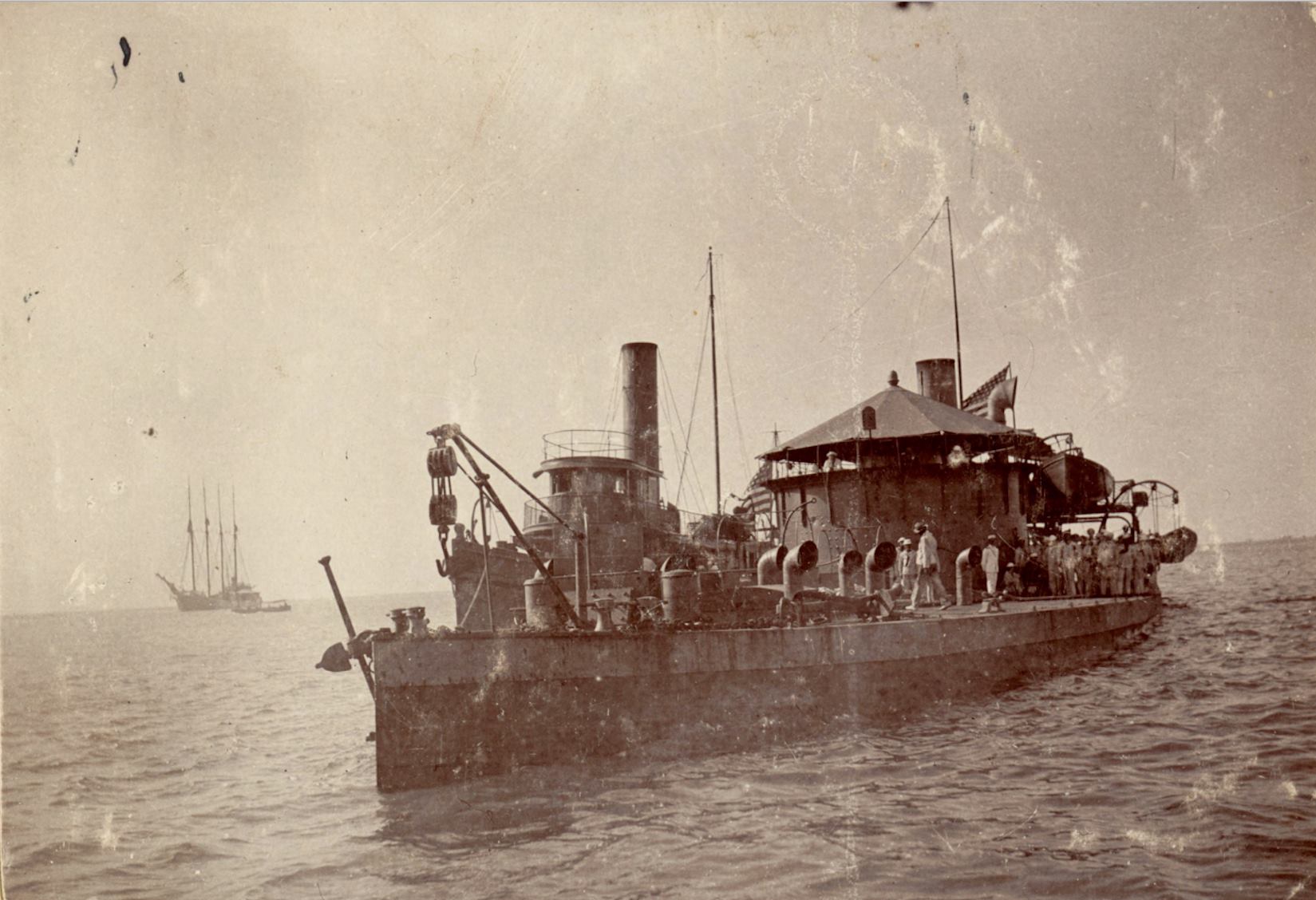
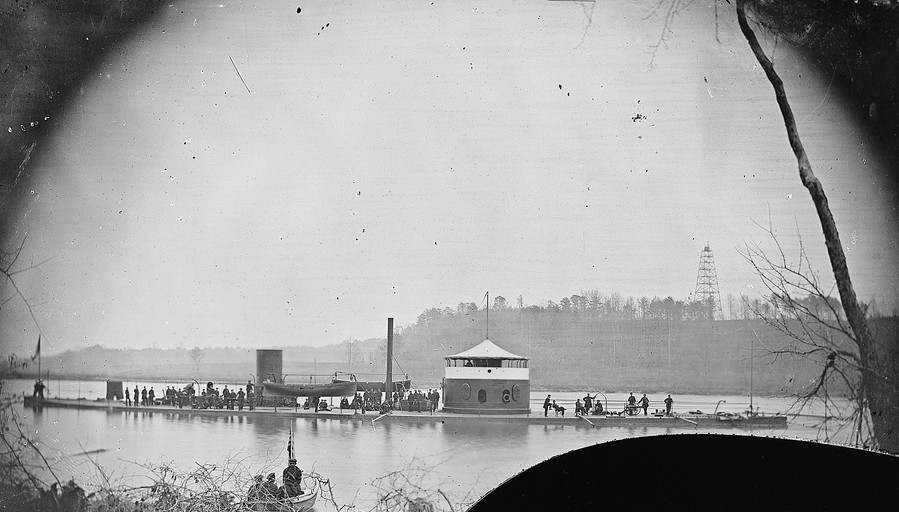
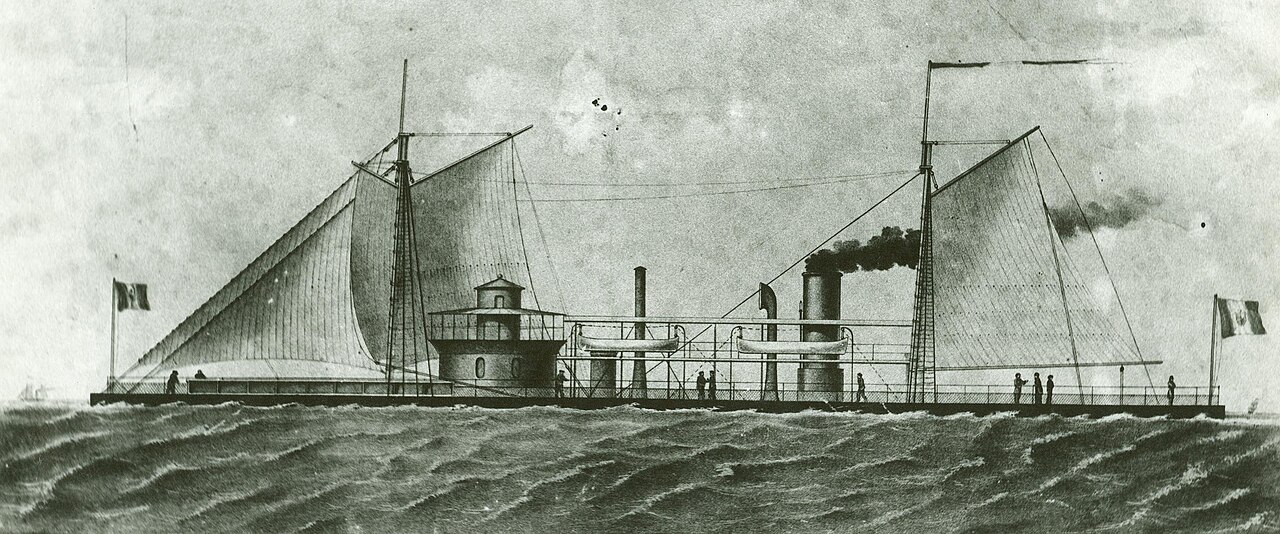
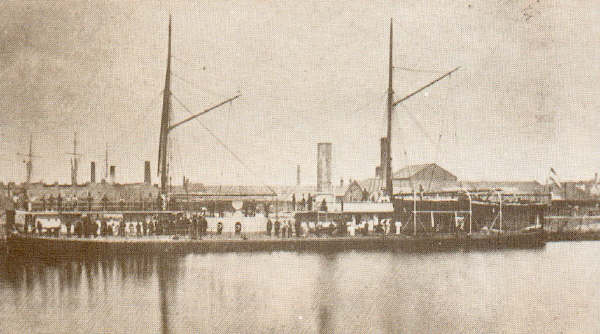
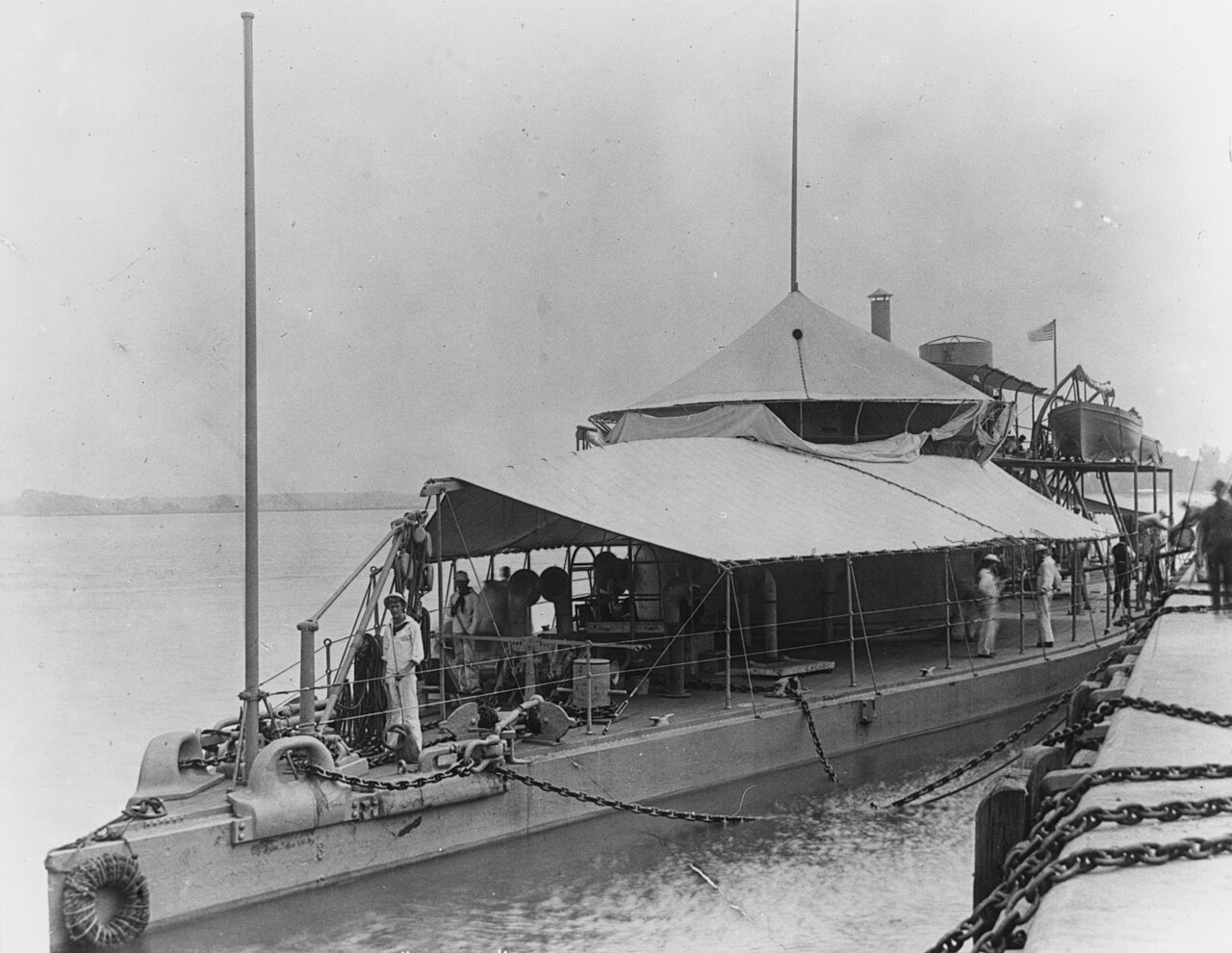
Canonicus class
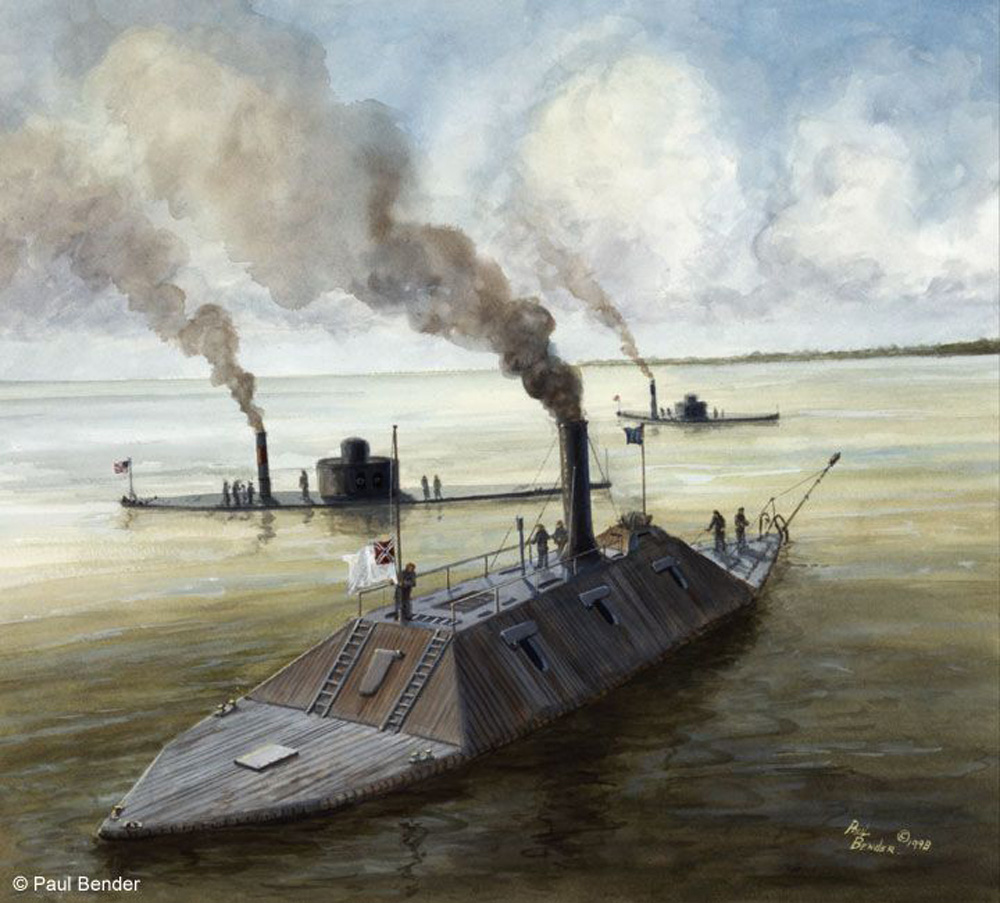
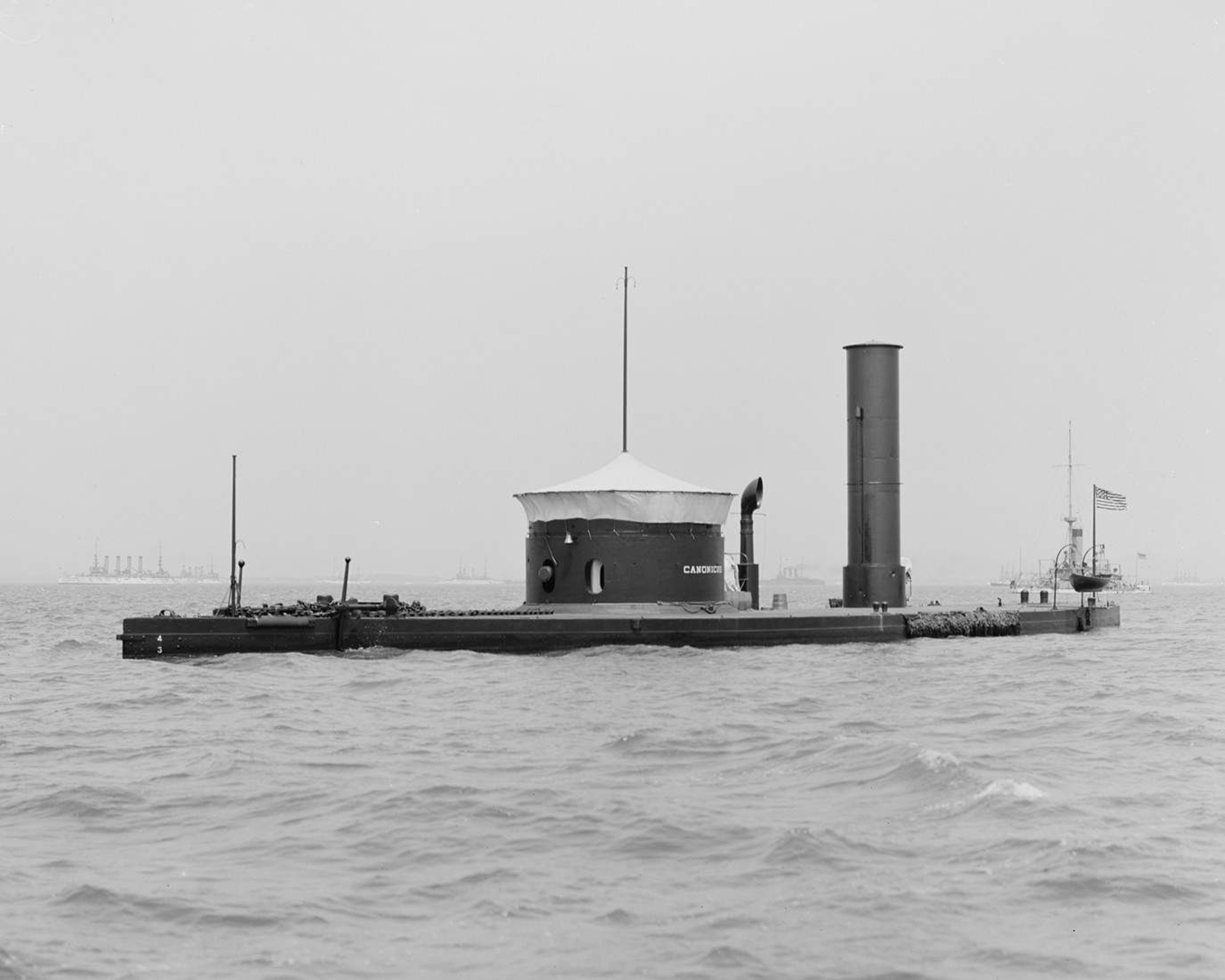
The Canonicus-class or Tippecanoe-class was a class of nine monitors built for the Union Navy during the American Civil War. An improvement on the preceding Passaics, modified in accordance with war experience, each vessel mounted two 15-inch guns. The five ships commissioned during the war participated variously in the Bermuda Hundred Campaign, the Battle of Mobile Bay and the First and Second Battles of Fort Fisher. When attacking the ironclad ram CSS Tennessee in 1865, the monitor Tecumseh was sunk by a naval mine, then termed a “torpedo”, 94 men died.
Name | Type | Class | Commissioned | Decommissioned | Notes |
USS Canonicus | Monitor | Canonicus | 16-04-1864 | 1908 | Sold for scrap 1908 |
USS Tecumseh | Monitor | Canonicus | 19-04-1864 | -- | Sunk by mine on 05-08-1864 |
USS Manhattan | Monitor | Canonicus | 06-06-1864 | 1902 | Sold for scrap 1902 |
USS Saugus | Monitor | Canonicus | 07-04-1864 | 1891 | Sold for scrap 1891 |
USS Mahopac | Monitor | Canonicus | 22-09-1864 | 1902 | Sold for scrap 1902 |
USS Catawba | Monitor | Canonicus | Never comm. | -- | Sold to Peru, 1868 |
USS Oneota | Monitor | Canonicus | Never comm. | -- | Sold to Peru, 1868 |
USS Manayunk | Monitor | Canonicus | Never comm. | -- | Renamed Ajax, sold later |
USS Tippecanoe | Monitor | Canonicus | Never comm. | -- | Renamed Vesuvius, then Wyandotte |
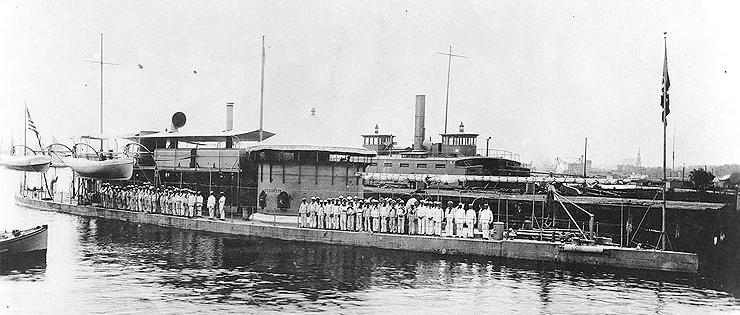
River Ironclads
City class
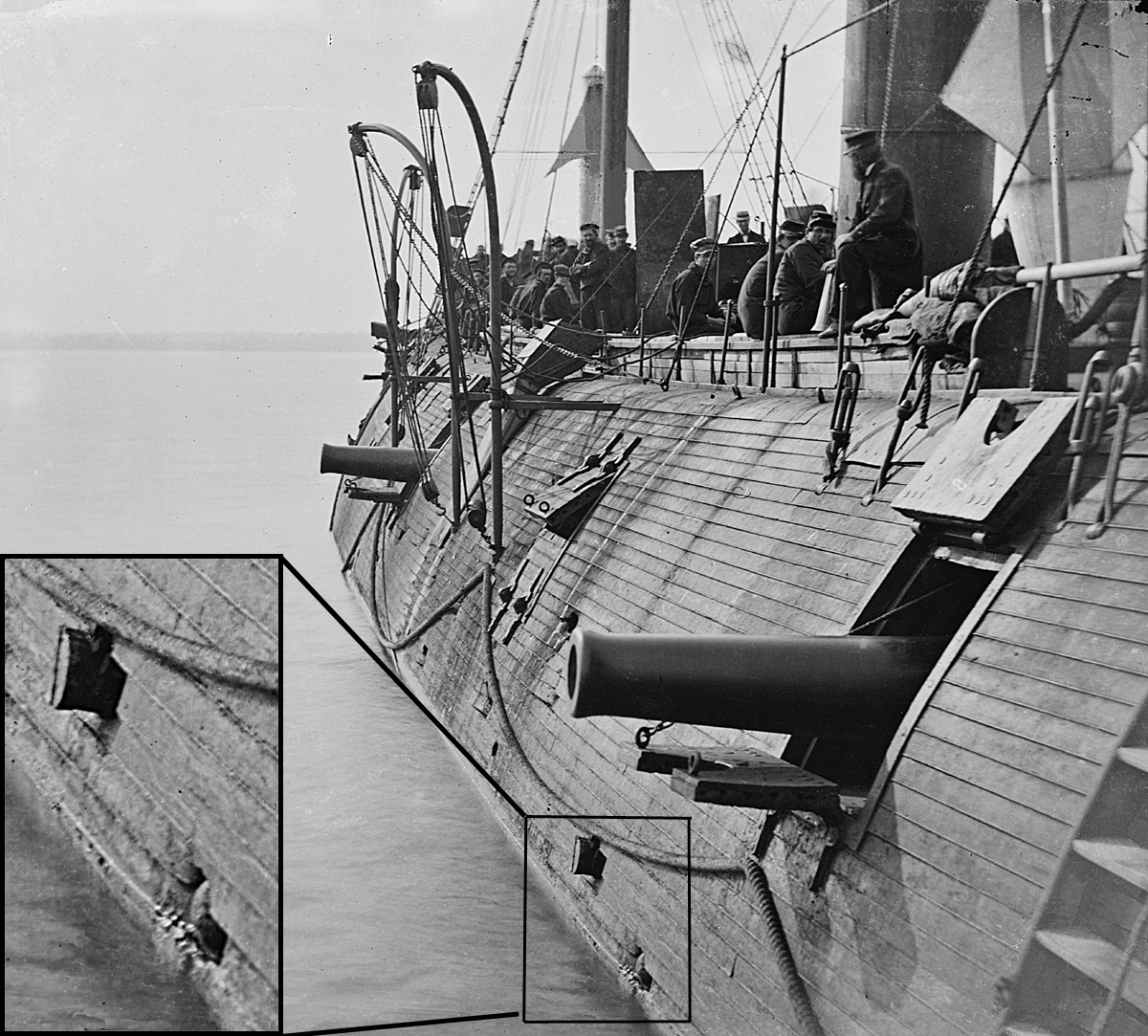
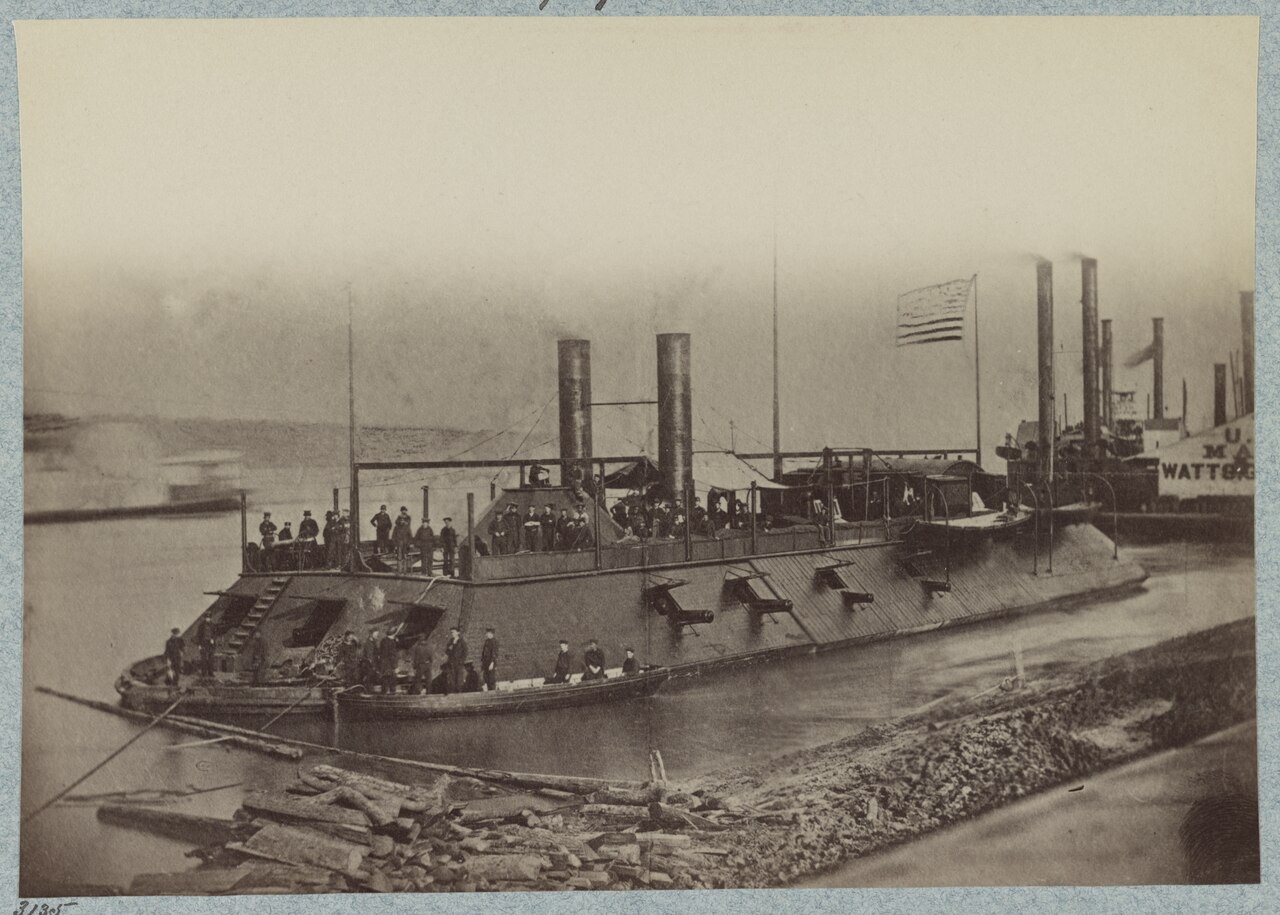
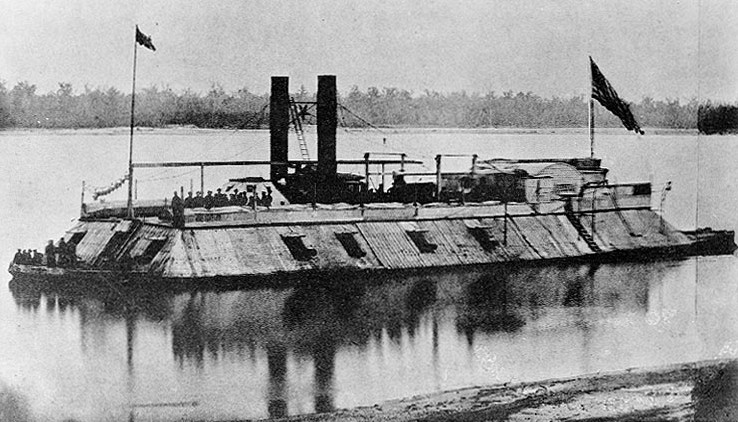
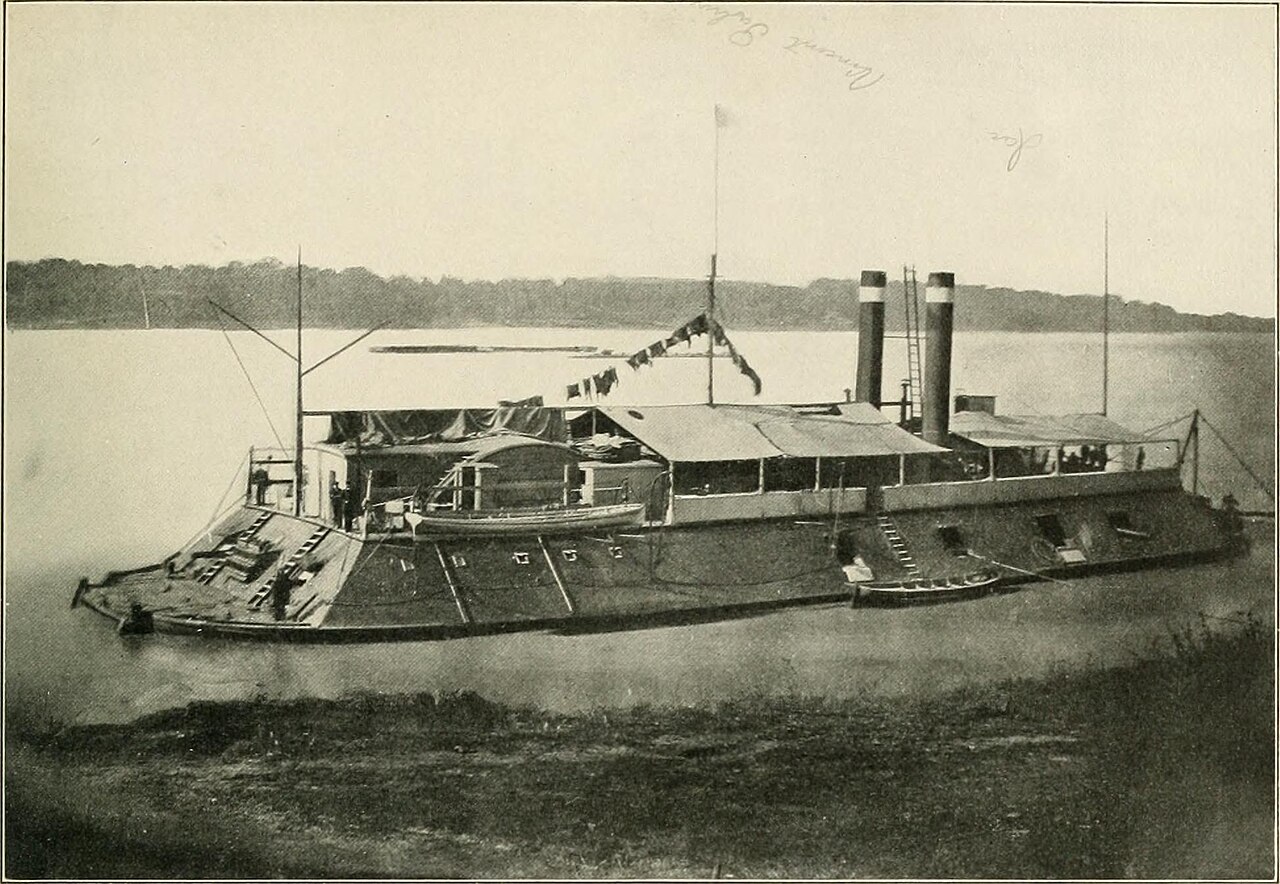
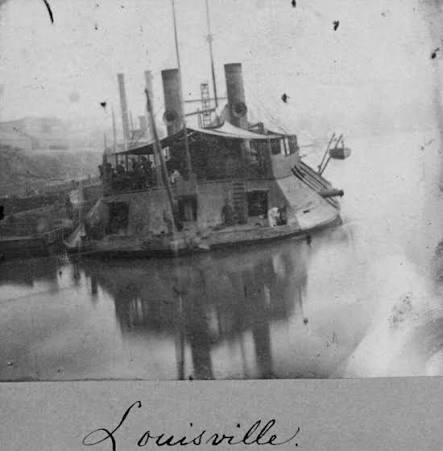
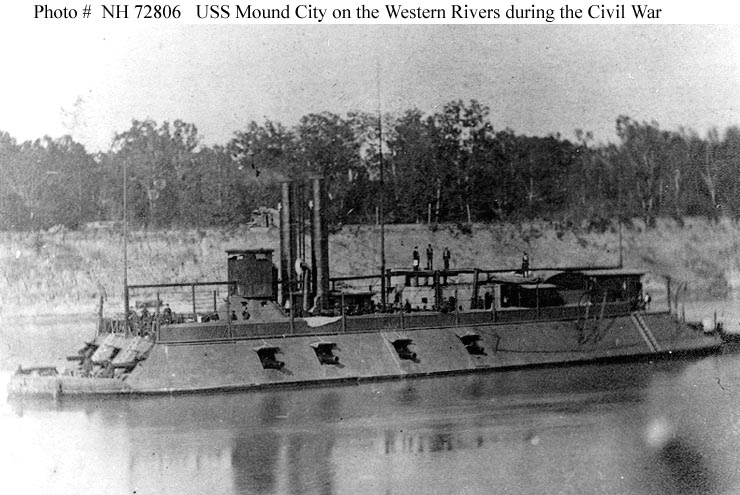
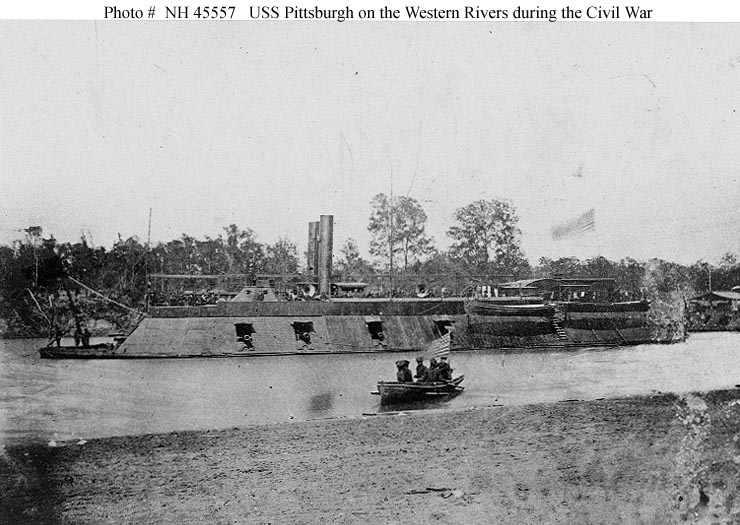
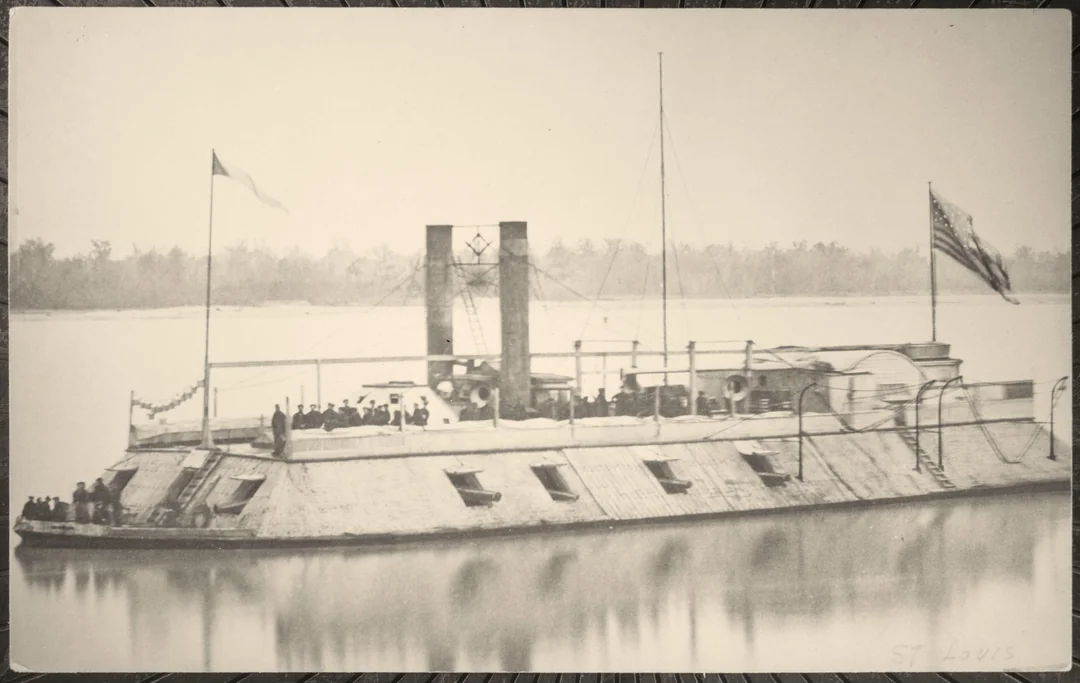
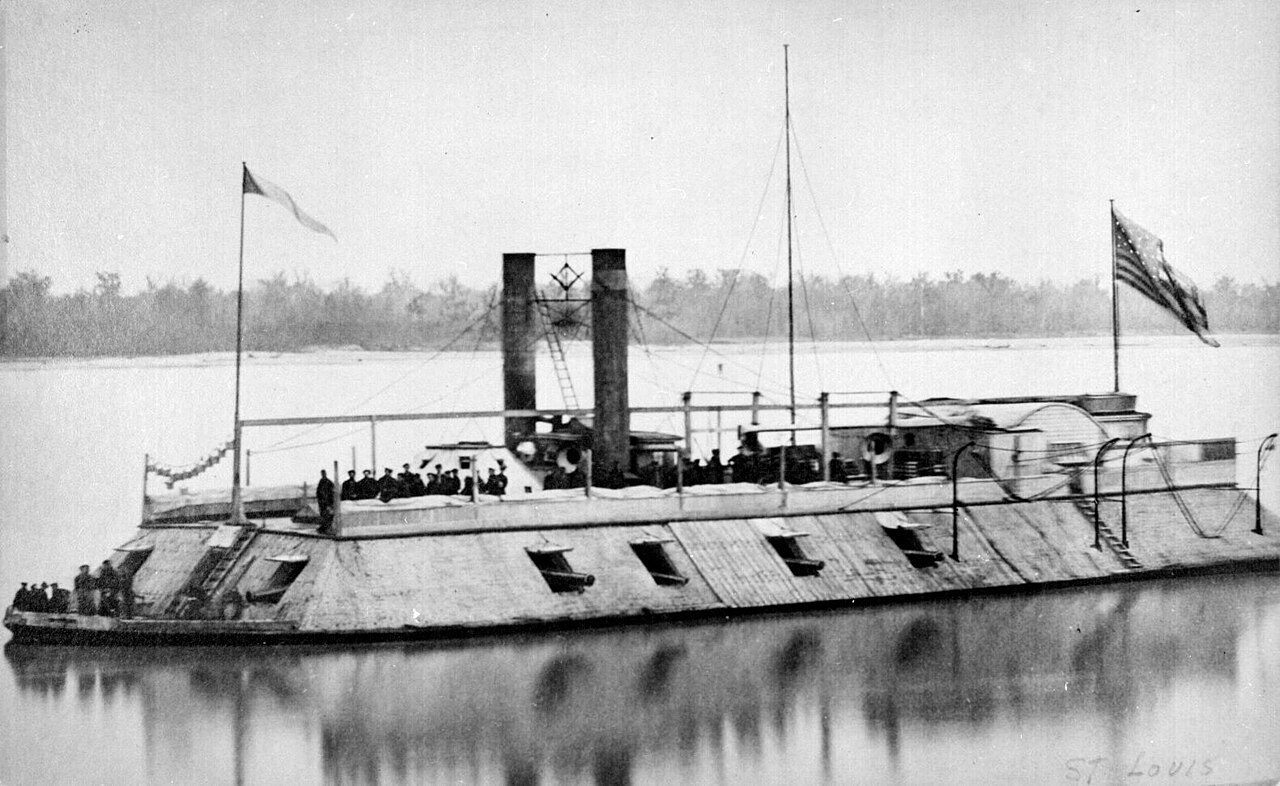
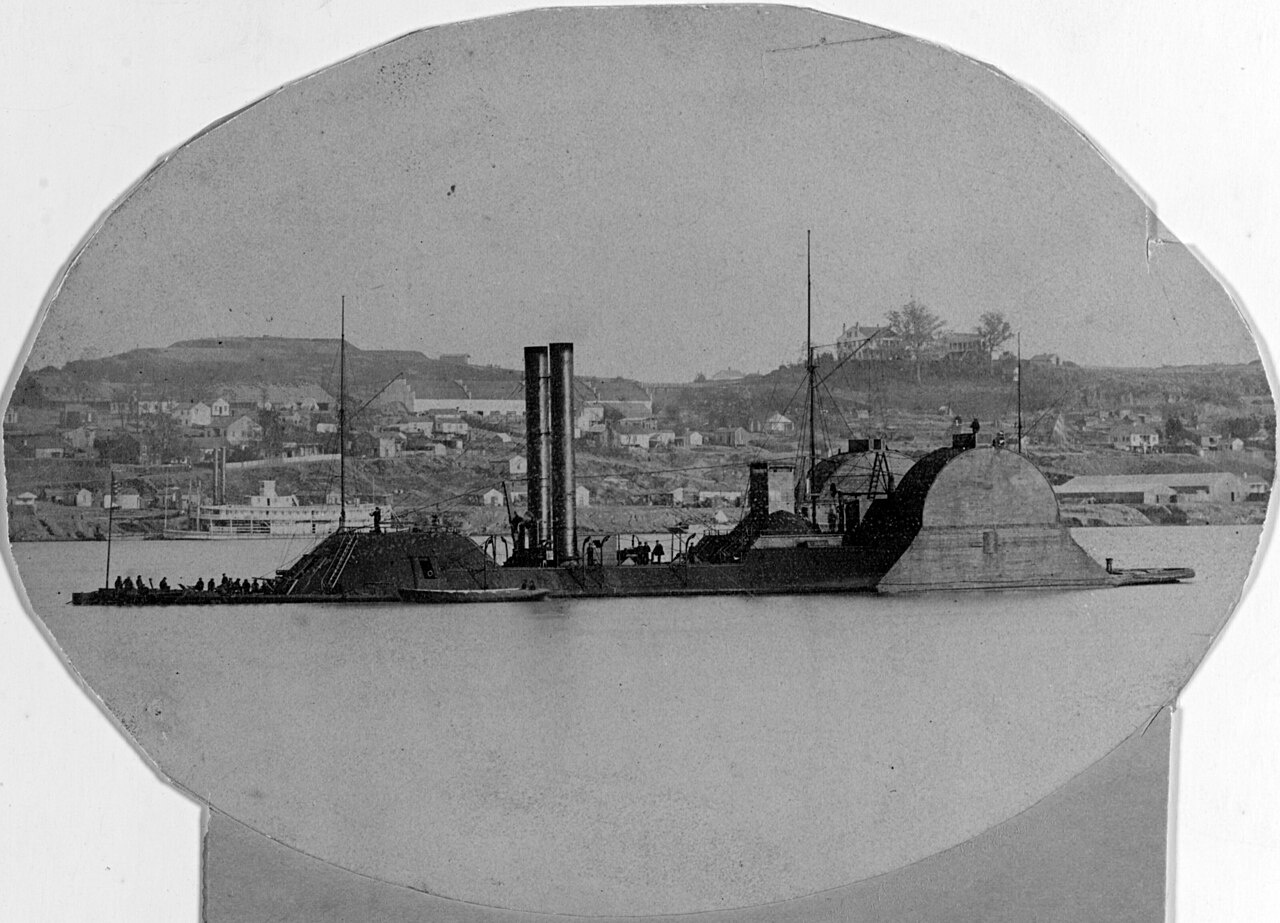
The Pook Turtles, or City-class gunboats to use their semi-official name, were war vessels intended for service on the Mississippi River during the American Civil War. They were also sometimes referred to as “Eads gunboats.” The labels
are applied to seven vessels of uniform design built from the keel up in Carondelet, Missouri shipyards. The City-class gunboats were the United States’ first ironclad warships.
The gunboats produced by Eads formed the core of the United States Army’s Western Gunboat Flotilla, which later was transferred to the US Navy and became the Mississippi River Squadron. Eads gunboats took part in almost every significant action on the upper Mississippi and its tributaries from their first offensive use at the Battle of Fort Henry until the end of the war.
Name | Type | Class | Commissioned | Decommissioned | Notes |
USS Cairo | River Ironclad | City | 25-01-1862 | -- | Sunk by mine on 12-12-1862 |
USS Carondelet | River Ironclad | City | 15-01-1862 | -- | Sold for scrap, 1865 |
USS Cincinnati | River Ironclad | City | 16-01-1862 | 1902 | Sunk in 1862, raised and sunk again |
USS Louisville | River Ironclad | City | 16-01-1862 | 1891 | Sold for scrap, 1865 |
USS Mound City | River Ironclad | City | 05-01-1862 | 1902 | Sold for scrap, 1865 |
USS Pittsburg | River Ironclad | City | 25-01-1862 | -- | Sold for scrap, 1865 |
USS St. Louis | River Ironclad | City | 06-01-1862 | -- | Sold for scrap, 1865 |
USS Baron De Kalb | River Ironclad | City | 05-01-1862 | -- | Sunk by mine on 13-05-1863 |
Other Union River class Ironclads
Name | Type | Class | Commissioned | Decommissioned | Notes |
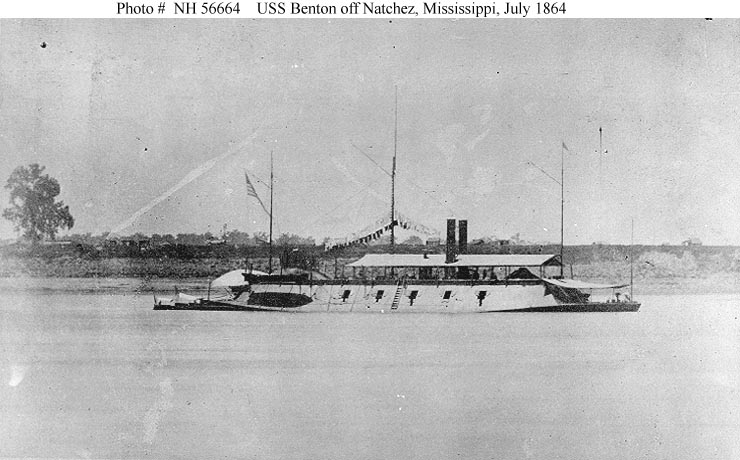
USS Benton | River Ironclad | Benton | 24-02-1862 | 1865 | Sold for scrap, 1865 |
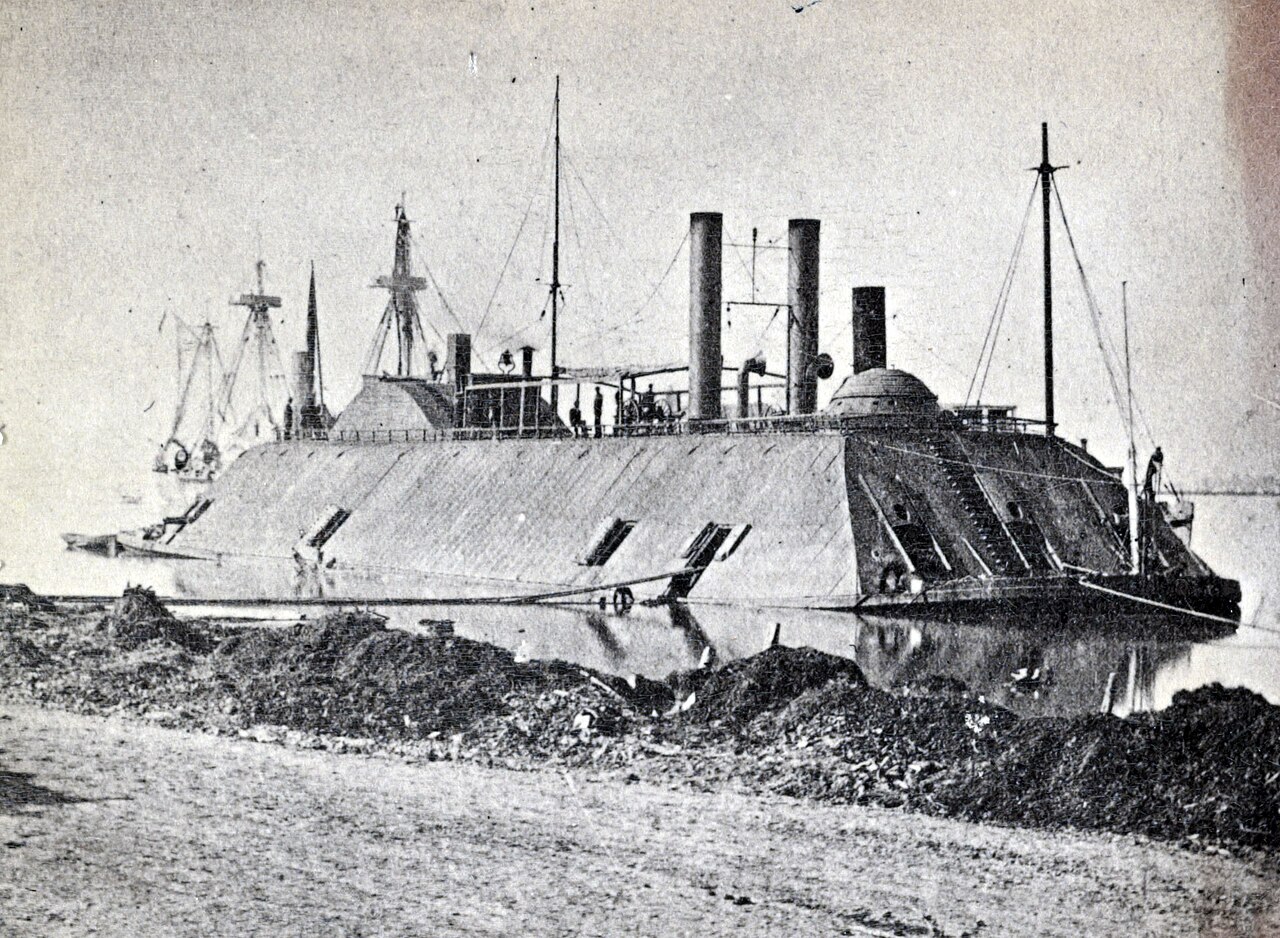
USS Essex | River Ironclad | Essex | 01-09-1862 | 1865 | Sold for scrap, 1865 |
USS Chillicothe | River Ironclad | Chillicothe | 05-09-1862 | 1865 | Sold for scrap, 1865 |
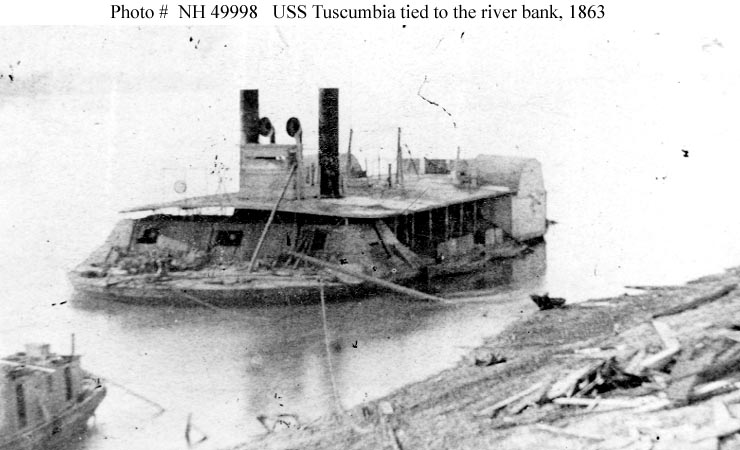
USS Tuscumbia | River Ironclad | Tuscumbia | 12-01-1863 | 1865 | Sold for scrap, 1865 |
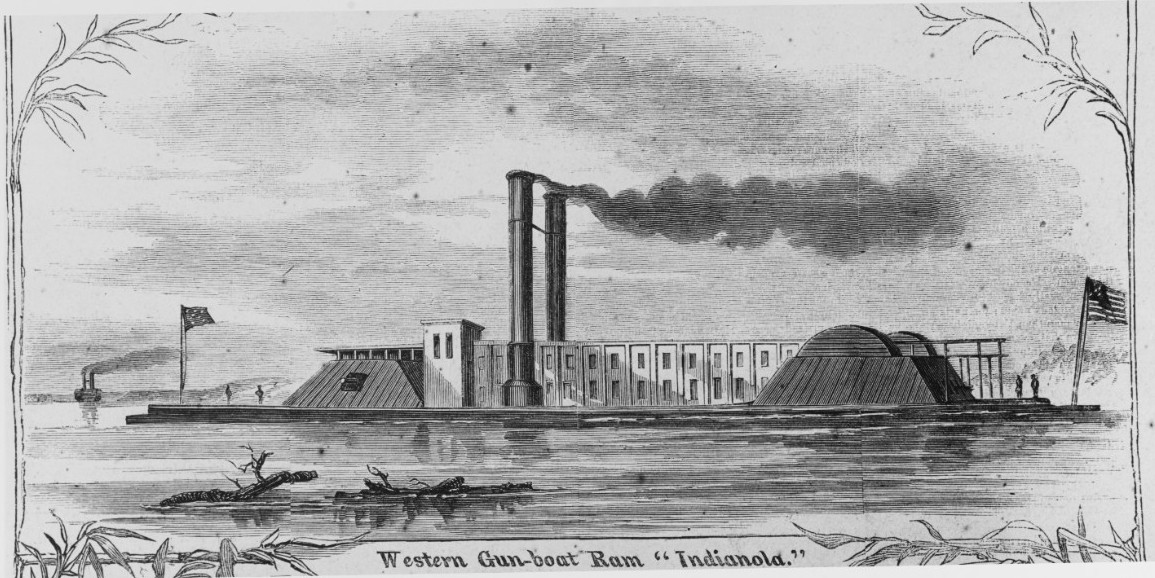
USS Indianola | River Ironclad | Indianola | 04-09-1862 | -- | Captured and sunk on 24-02-1863 |
USS Eastport | River Ironclad | Eastport | 19-01-1863 | -- | Destroyed on 15-04-1864 |
USS Lafayette | River Ironclad | Lafayette | 27-02-1863 | 1865 | Sold for scrap, 1865 |
USS Choctaw | River Ironclad | Choctaw | 23-05-1863 | 1865 | Sold for scrap, 1865 |
River Ironclads / Monitors
Neosho and Milwaukee class and USS Ozark
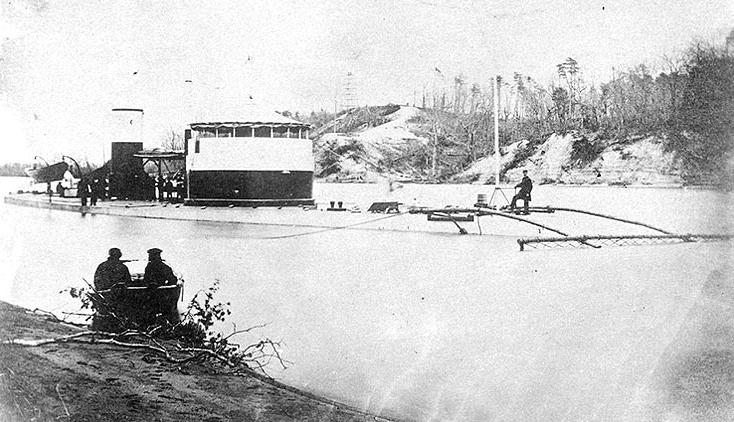
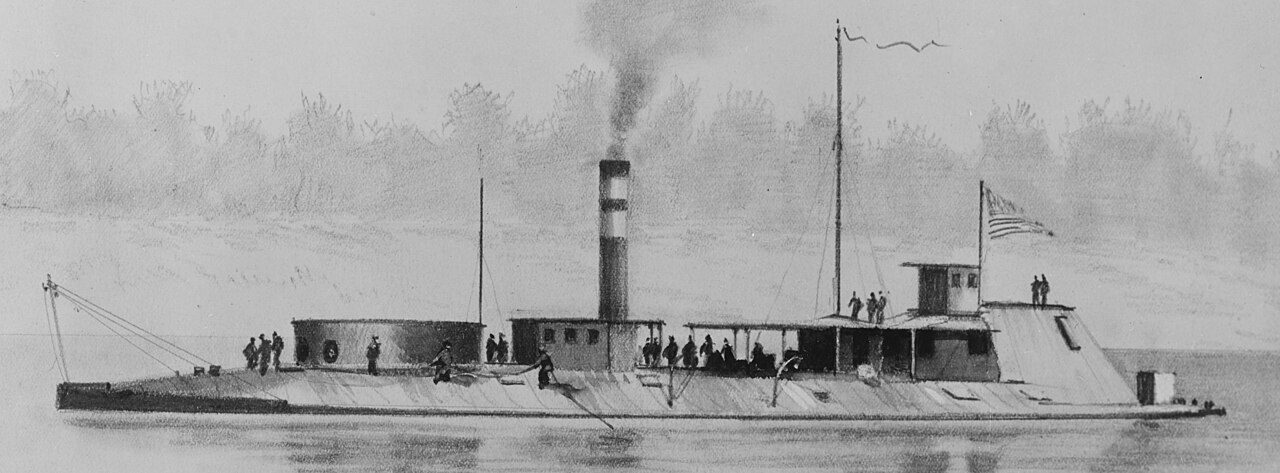
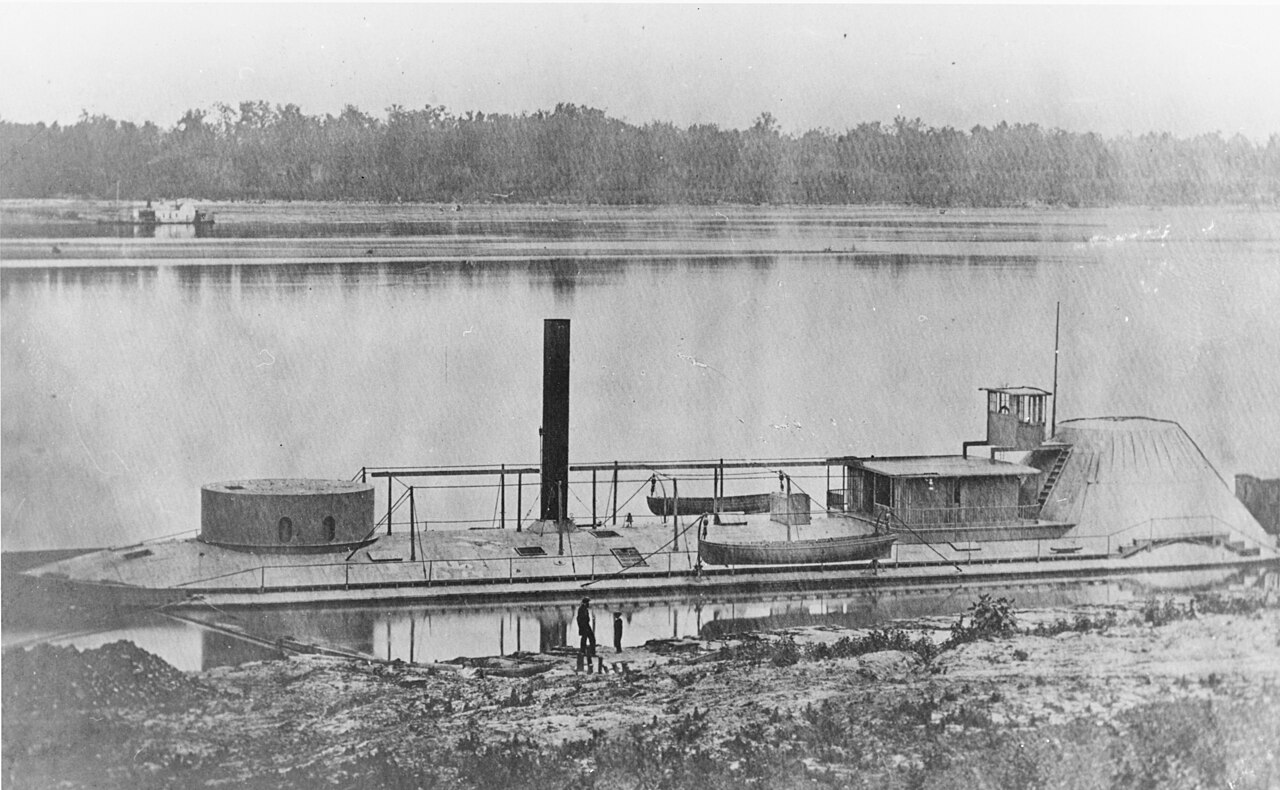
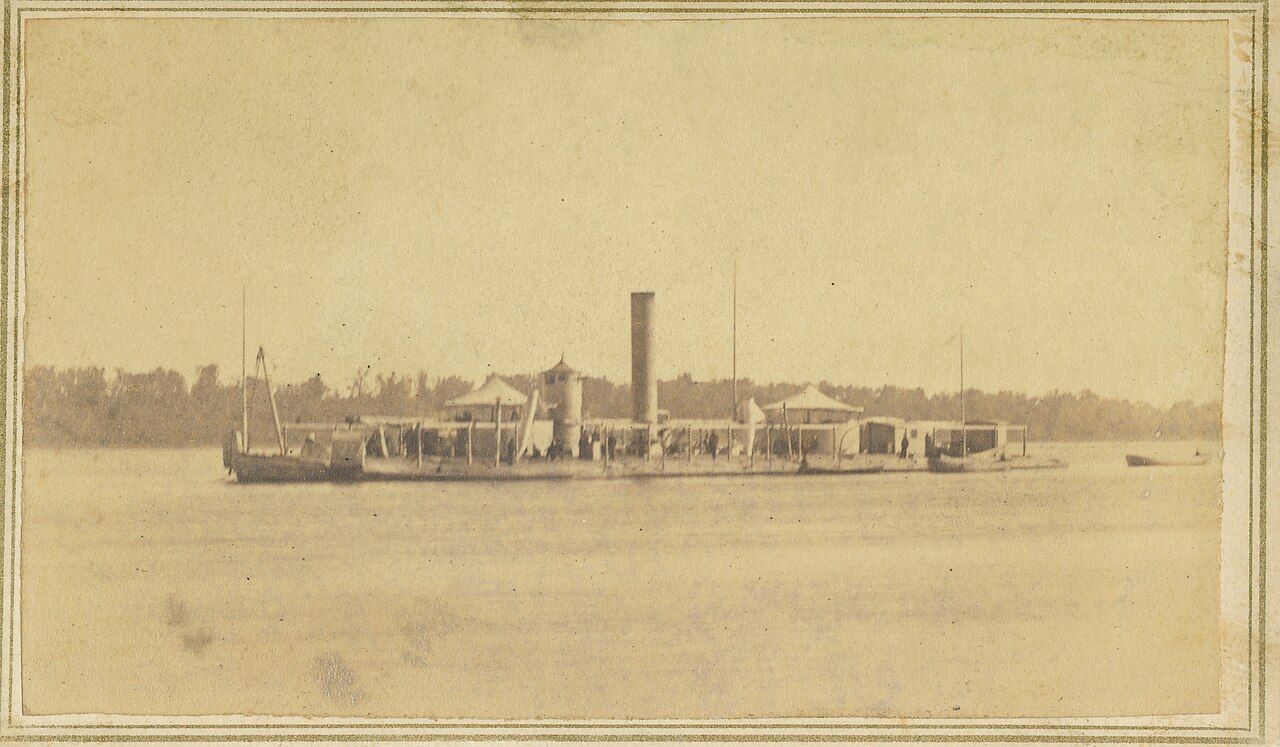
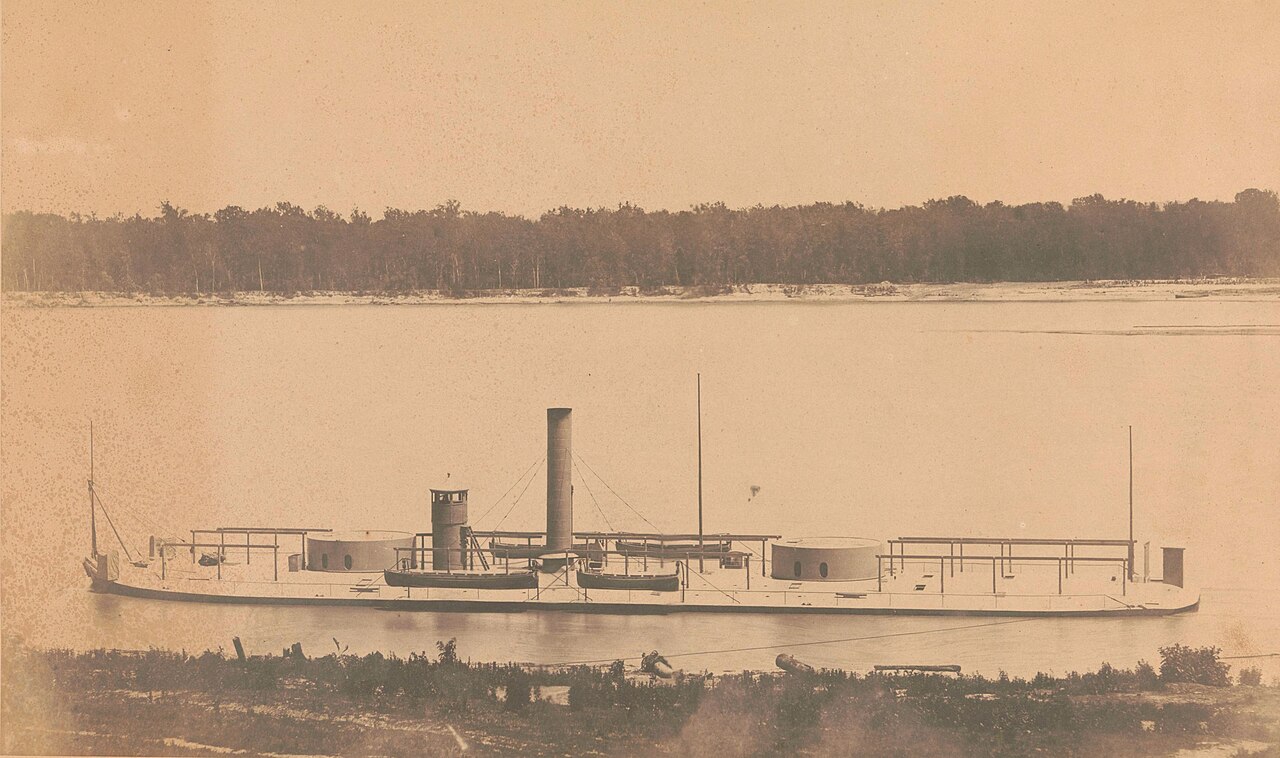
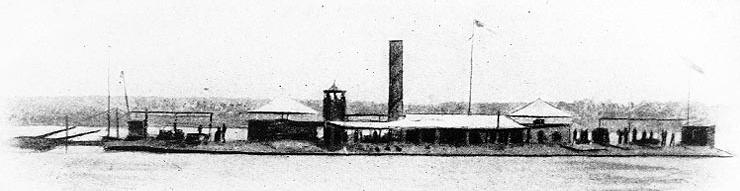
The Neosho-class monitors were a pair of ironclad river monitors laid down in mid-1862 for the United States Navy during the American Civil War. After completion in mid-1863, both ships spent time patrolling the Mississippi River against Confederate raids and ambushes as part of the Mississippi Squadron. Osage was grounded on a sandbar for six months after the end of the campaign while Neosho resumed her patrols on the Mississippi. Osage, after being refloated and repaired, was transferred to the West Gulf Blockading Squadron in early 1865. During the Battle of Spanish Fort in March 1865 she struck a mine and rapidly sank.
The Milwaukee-class monitors were a class of four riverine ironclad monitors built during the American Civil War. Several supported Union forces along the Mississippi River in mid-1864 before participating in the Battle of Mobile Bay in August. Chickasaw and Winnebago bombarded Confederate coastal fortifications during the battle and during subsequent operations as well as engaging the ironclad Tennessee II. The other two ships arrived at Mobile Bay after the battle and all four supported the land attacks on Mobile in March–April 1865. Milwaukee struck a torpedo during this time and sank. The surviving three ships were sold in 1874; Chickasaw was converted into a ferry and survived until 1944 when she was scuttled. Her wreck was discovered in 2004.
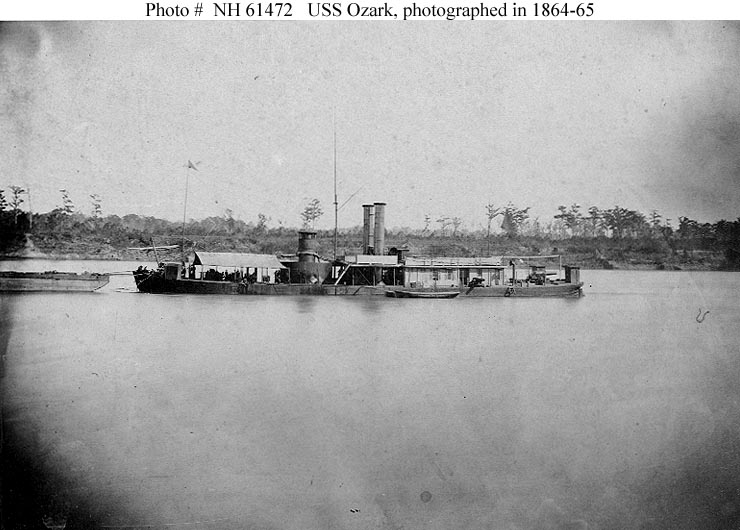
USS Ozark was a single-turreted river monitor built for the United States Navy during the American Civil War. The ship served in the Mississippi River Squadron during the war. Ozark patrolled the Mississippi River and its tributaries after the end of the campaign for the rest of the war. She was decommissioned after the war and sold in late 1865. Her ultimate fate is unknown.
Name | Type | Class | Commissioned | Decommissioned | Notes |
USS Neosho | River Monitor | Neosho | 13-05-1863 | 1874 | Sold for scrap, 1874 |
USS Osage | River Monitor | Neosho | 10-07-1863 | -- | Sunk by mine on 29-03-1865 |
USS Milwaukee | River Monitor | Milwaukee | 24-01-1864 | -- | Sunk by mine on 28-03-1865 |
USS Winnebago | River Monitor | Milwaukee | 27-04-1864 | 1874 | Sold for scrap, 1874 |
USS Chickasaw | River Monitor | Milwaukee | 14-09-1864 | 1874 | Sold for scrap, 1874 |
USS Kickapoo | River Monitor | Milwaukee | 08-04-1864 | 1874 | Sold for scrap, 1874 |
USS Ozark | River Monitor | Ozark | 18-02-1864 | 1865 | Sold for scrap, 1865 |
Miantonomoh class
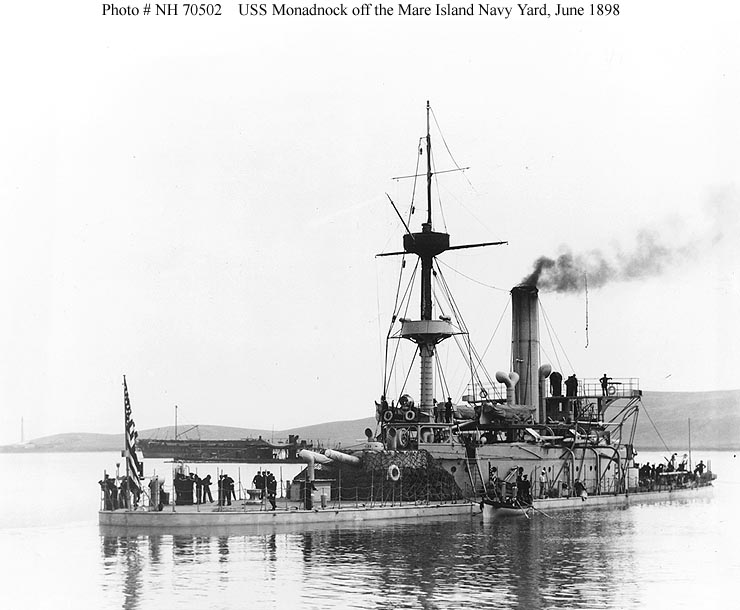
The Miantonomoh class consisted of four monitors built for the Union Navy during the U.S. Civil War, but only one ship was completed early enough to participate in the war. They were broken up in 1874–1875.
Name | Type | Class | Commissioned | Decommissioned | Notes |
USS Monadnock | Monitor | Miantonomoh | 04-10-1864 | 1866 | Sold for scrap, 1866 |
USS Agamenticus | Monitor | Miantonomoh | 19-09-1864 | 1865 | Sold for scrap, 1865 |
USS Miantonomoh | Monitor | Miantonomoh | 18-09-1865 | 1866 | Sold for scrap, 1866 |
USS Tonawanda | Monitor | Miantonomoh | 12-10-1865 | 1865 | Sold for scrap, 1865 |
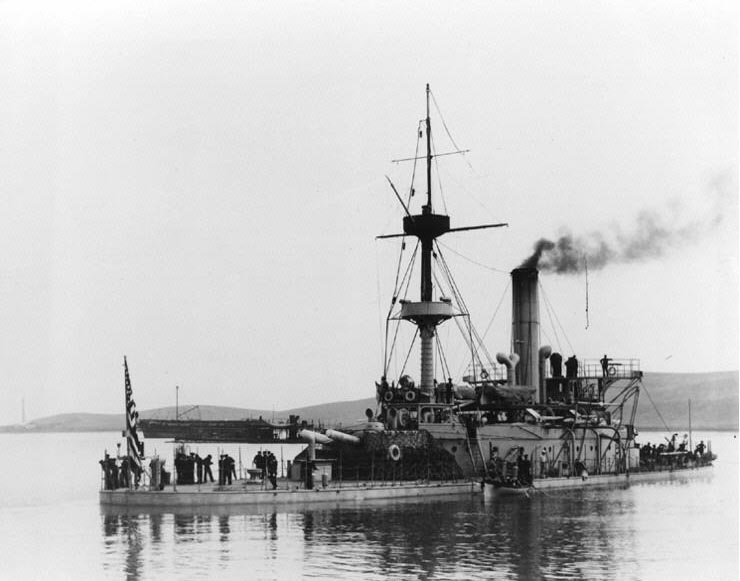
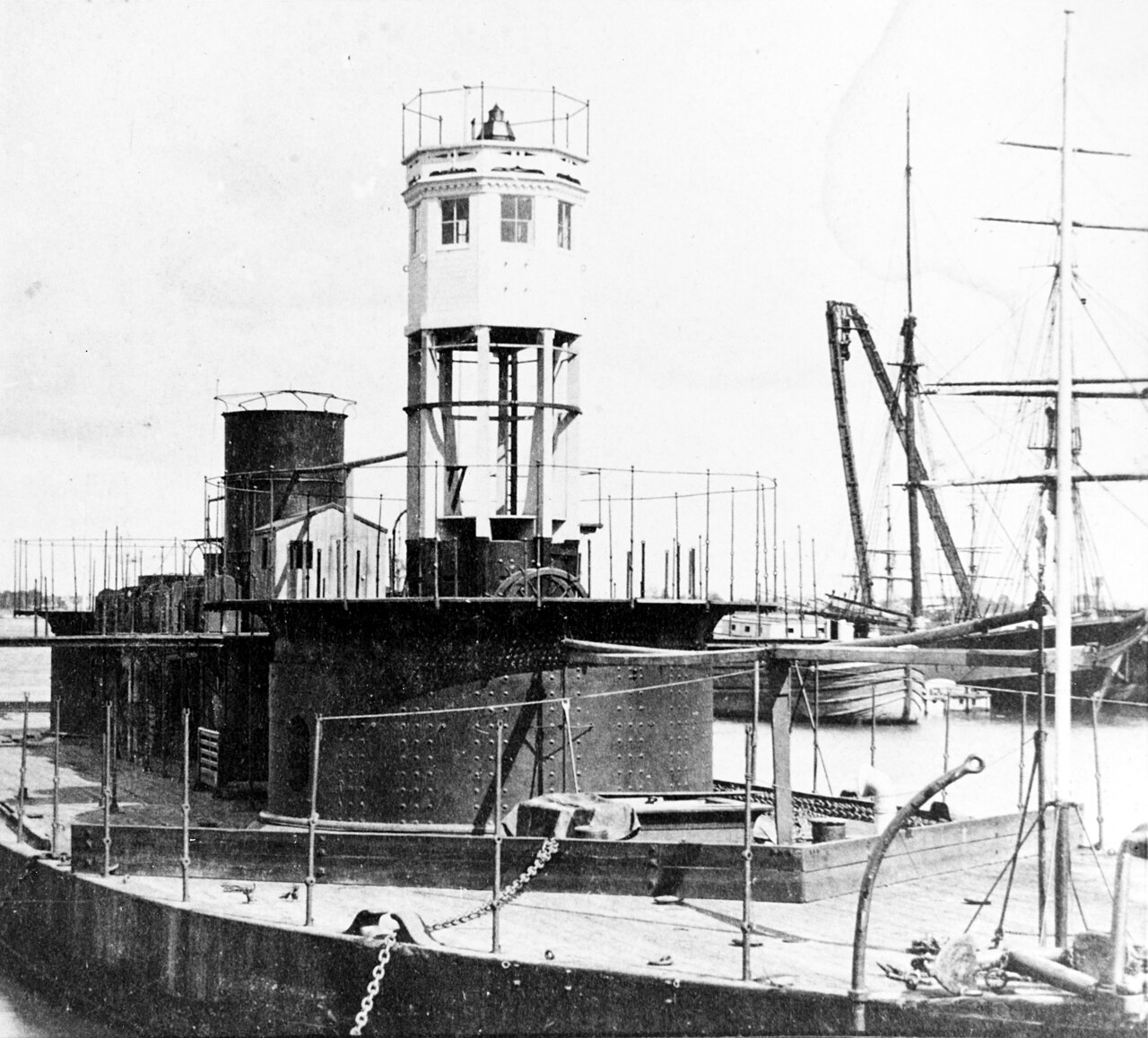
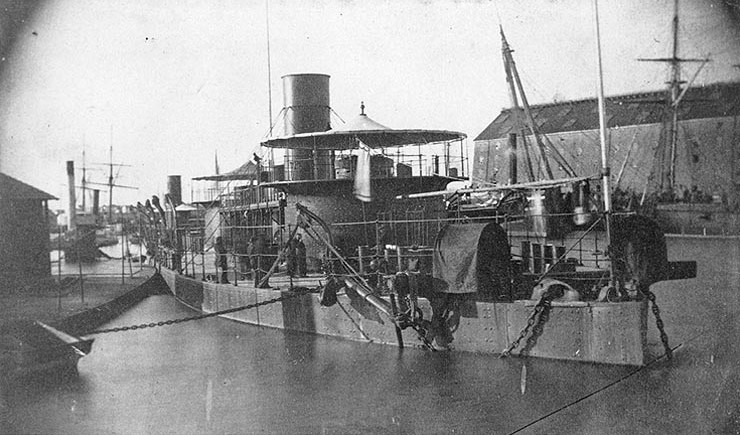
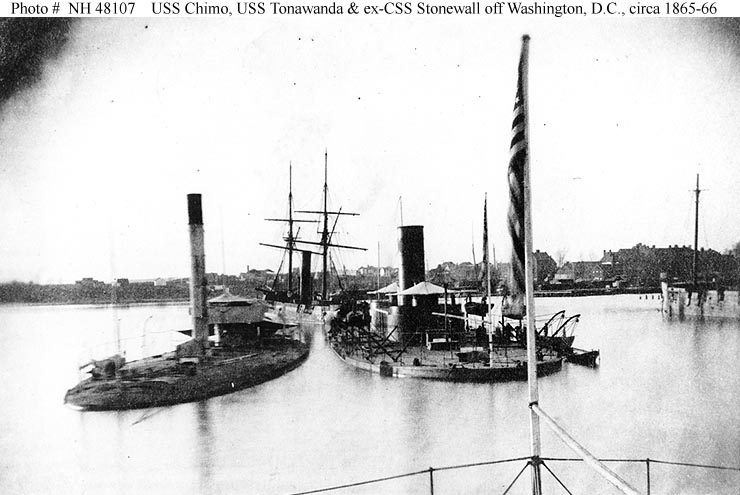
Casco class (light-draft monitors)
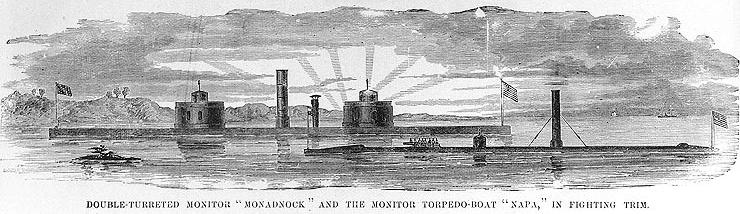
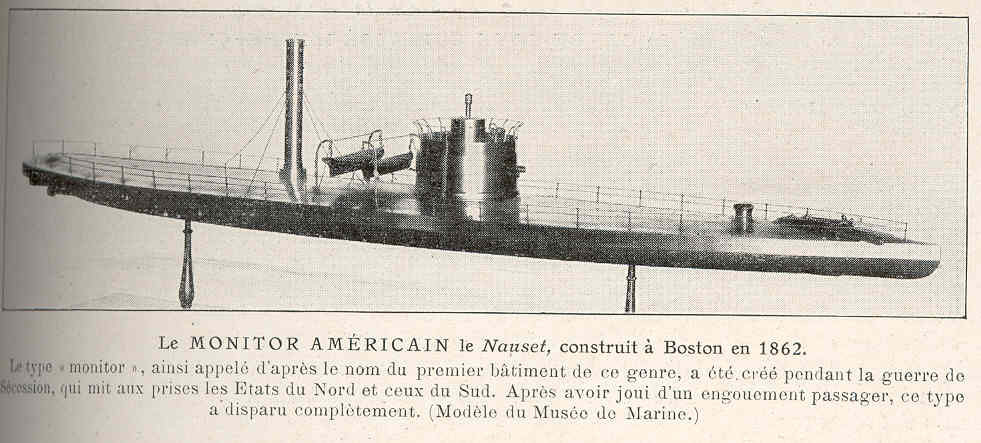
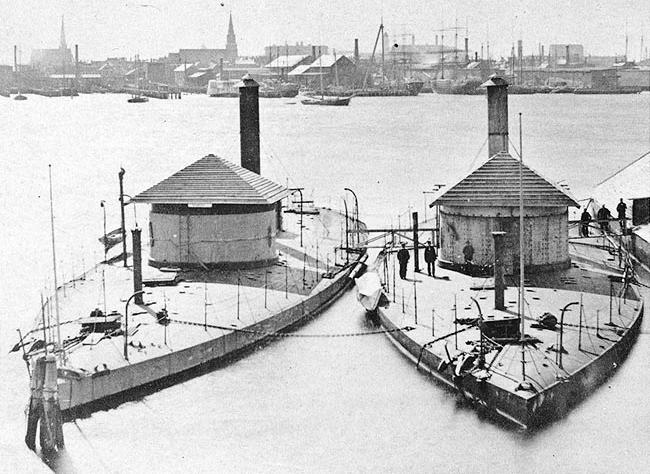
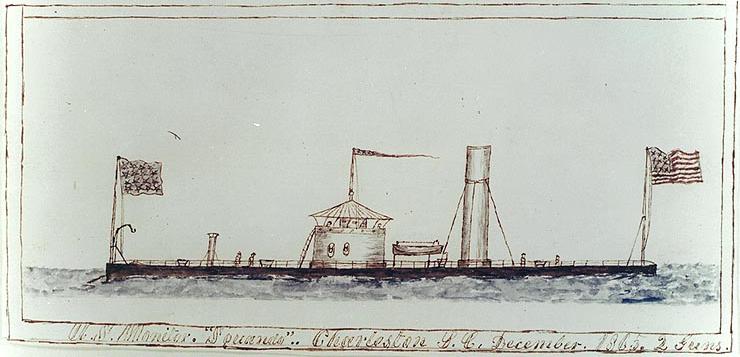
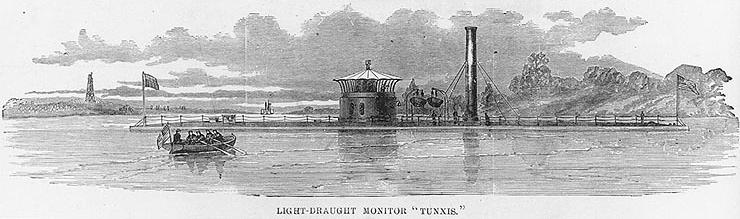
The Casco-class monitor was a unique class of light draft monitor built on behalf of the United States Navy for the Mississippi theatre during the American Civil War. The largest and most ambitious ironclad program of the war, the project was dogged by delays caused by bureaucratic meddling. Twenty ships of the class were eventually built at great expense, but proved so unseaworthy when trialed that they were quickly sidelined, causing a public scandal.
Name | Type | Class | Commissioned | Decommissioned | Notes |
USS Casco | Monitor | Casco | 04-12-1864 | 1865 | Sold for scrap 1908 |
USS Chimo | Monitor | Casco | 20-01-1865 | 1865 | Never completed for active service, Sold in 1874 |
USS Naubuc | Monitor | Casco | 27-03-1864 | 1865 | Sold for scrap 1902 |
USS Nauset | Monitor | Casco | 10-04-1865 | 1865 | Sold for scrap 1891 |
USS Shiloh | Monitor | Casco | 19-04-1865 | 1865 | Sold for scrap 1902 |
USS Squando | Monitor | Casco | 09-09-1865 | 1865 | Sold to Peru, 1868 |
USS Tunxis | Monitor | Casco | 12-05-1864 | 1865 | Sold to Peru, 1868 |
USS Shawnee | Monitor | Casco | 18-08-1865 | -- | Laid up, sold in 1875 |
USS Wassuc | Monitor | Casco | Never comm. | 1875 | Sold for scrap 1875 |
USS Cohoes | Monitor | Casco | 19-01-1865 | 1874 | Sold for scrap 1875 |
USS Etlah | Monitor | Casco | 12-03-1866 | 1874 | Sold for scrap 1875 |
USS Klamath | Monitor | Casco | 06-05-1866 | 1874 | Sold for scrap 1875 |
USS Koka | Monitor | Casco | 30-05-1866 | 1874 | Sold for scrap 1875 |
USS Modoc | Monitor | Casco | 25-05-1866 | 1874 | Sold for scrap 1875 |
USS Napa | Monitor | Casco | 04-05-1866 | 1874 | Sold for scrap 1875 |
USS Ruma | Monitor | Casco | 1866 | 1874 | Sold for scrap 1875 |
USS Suncook | Monitor | Casco | 27-07-1865 | 1874 | Sold for scrap 1875 |
USS Umpqua | Monitor | Casco | 07-05-1866 | 1874 | Sold for scrap 1875 |
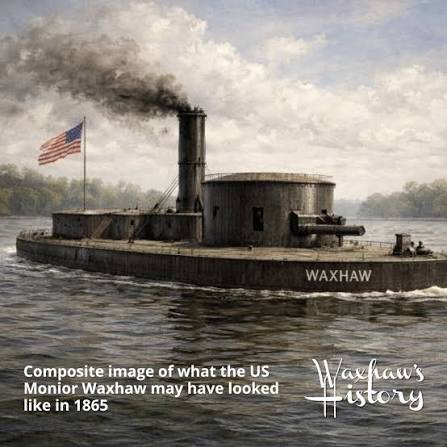
USS Waxsaw | Monitor | Casco | 21-10-1865 | 1875 | Sold for scrap 1875 |
USS Yaxoo | Monitor | Casco | 15-12-1865 | 1874 | Sold for scrap 1875 |
USS Yuma | Monitor | Casco | 06-05-1866 | 1874 | Sold for scrap 1875 |
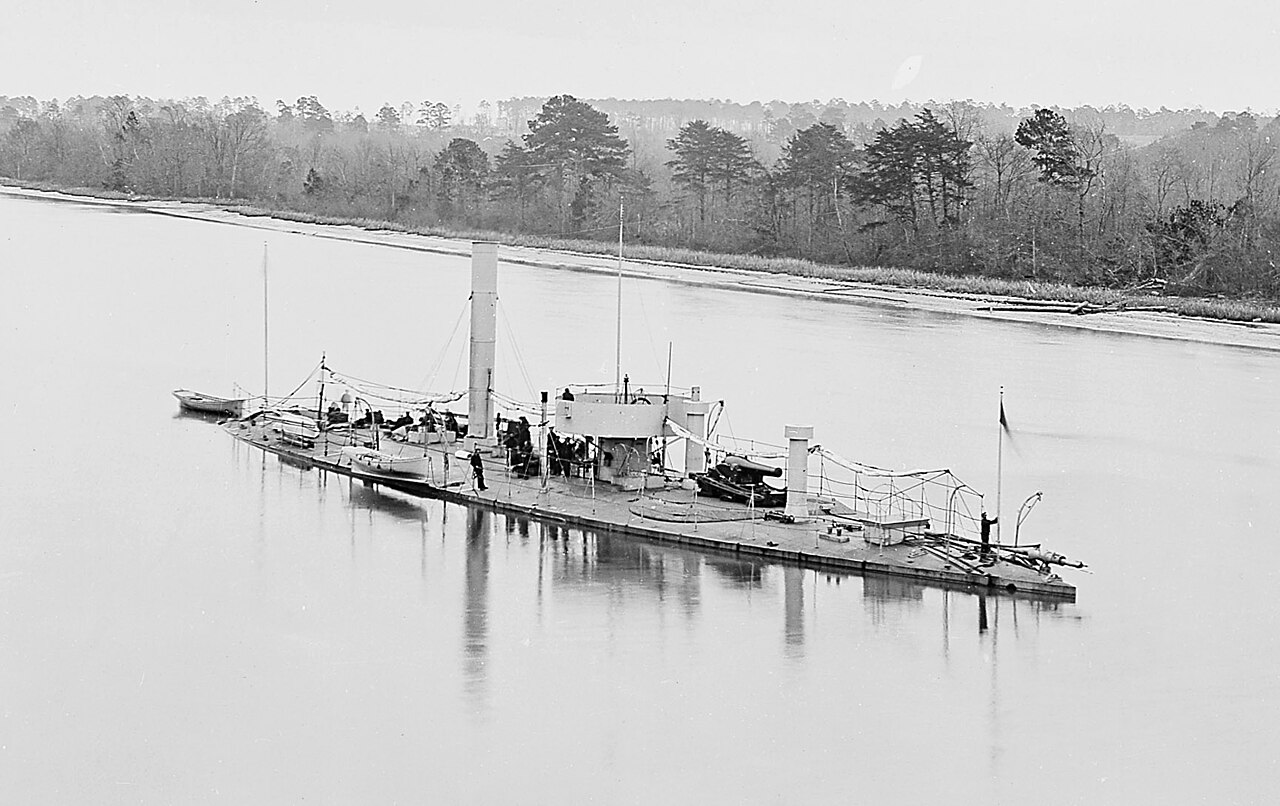
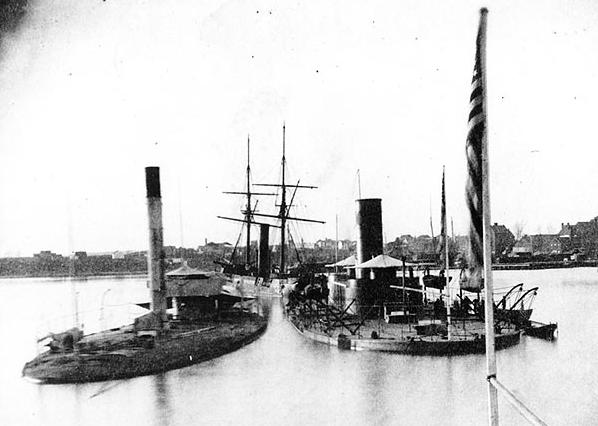
USS Tomawanda
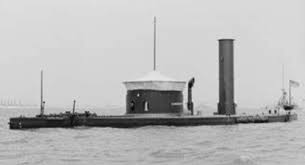
USS Etlah
USS Klamath
USS Koka
No image available
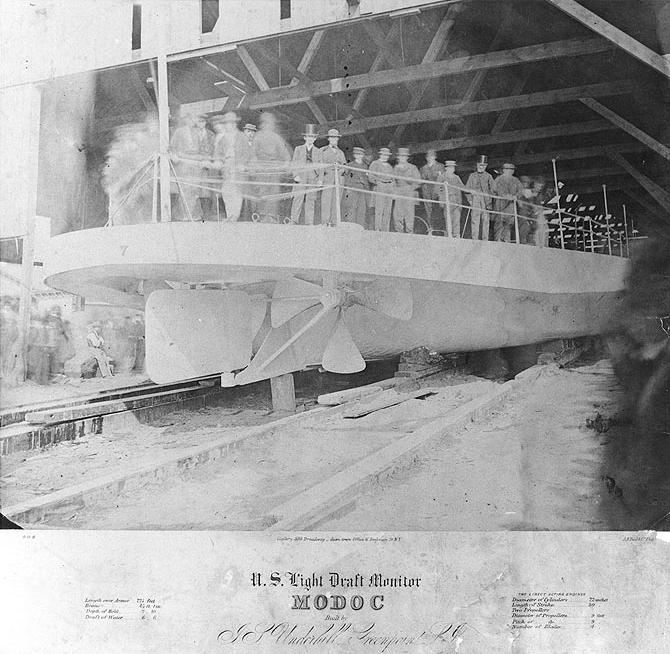
USS Naubuc
No image available
USS Shiloh
No image available
USS Suncook
No image available
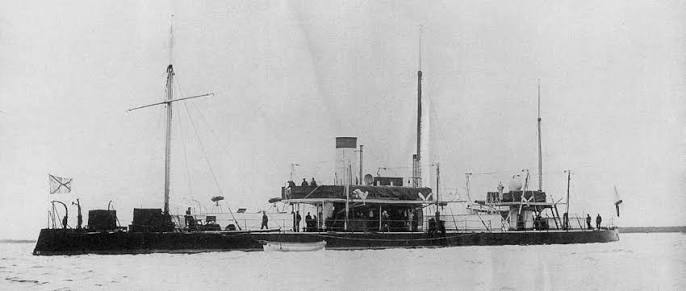
USS Wassuc
No image available
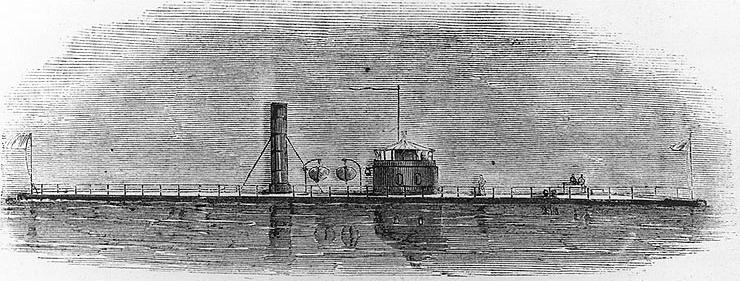
USS Yuma
No image available
Marietta class
The Marietta-class monitors were a pair of ironclad river monitors laid down in the summer of 1862 for the United States Navy during the American Civil War. Construction was slow, partially for lack of labor, and the ships were not completed until December 1865, after the war was over. However the navy did not accept them until 1866 and immediately laid them up. They
were sold in 1873 without ever having been commissioned.
Name | Type | Class | Commissioned | Decommissioned | Notes |
USS Marietta | Monitor | Marietta | never comm. | -- | Sold for scrap 1873 |
USS Sandusky | Monitor | Marietta | never comm. | -- | Sold for scrap 1873 |
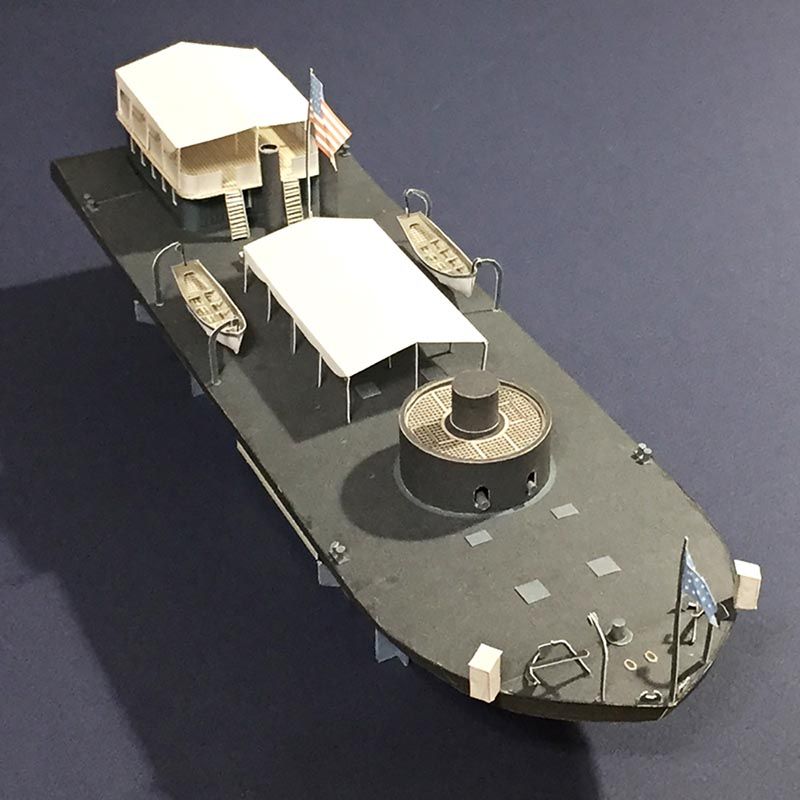
Kalamazoo class
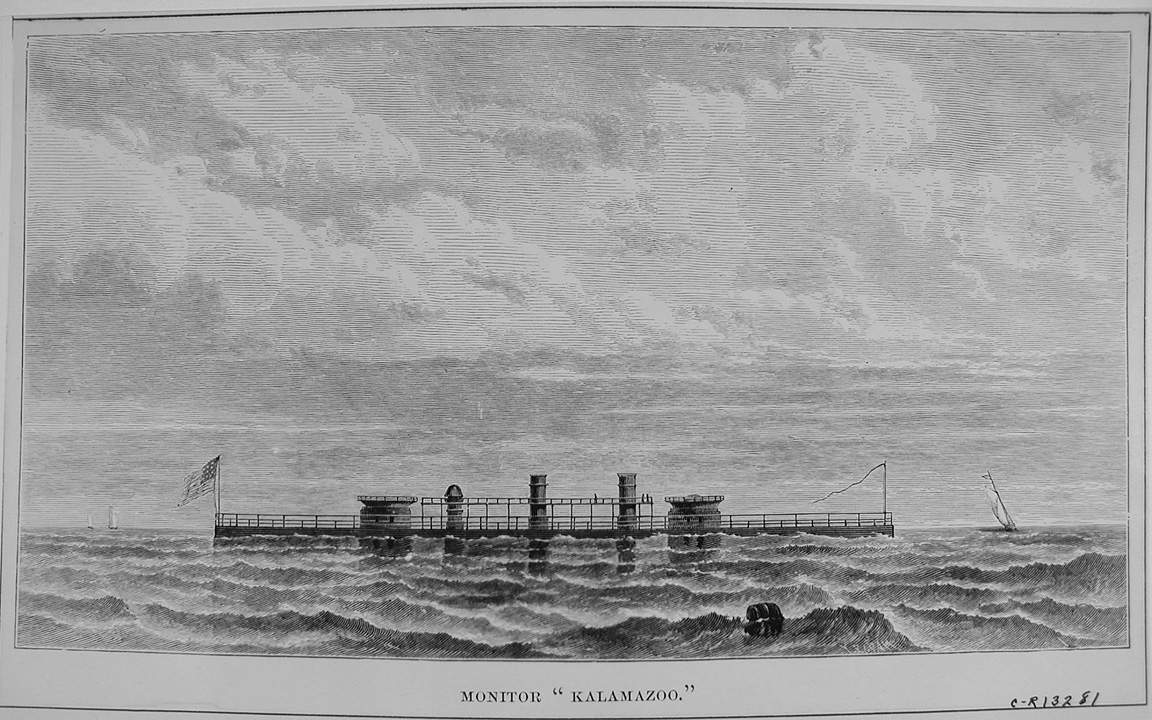
The Kalamazoo-class monitors were a class of ocean-going ironclad monitors begun during the American Civil War. Unfinished by the end of the war, their construction was suspended in November 1865 and the unseasoned wood of their hulls rotted while they were still on the building stocks. If the four ships had been finished they would have been the most seaworthy monitors in the US Navy. One was scrapped in 1874 while the other three were disposed of a decade later.
Name | Type | Class | Commissioned | Decommissioned | Notes |
USS Kalamazoo | Ocean monitor | Kalamazoo | Never comm. | -- | Construction suspended, scrapped |
USS Passaconaway | Ocean monitor | Kalamazoo | Never comm. | -- | Construction suspended, scrapped |
USS Quinsigamond | Ocean monitor | Kalamazoo | Never comm. | -- | Construction suspended, scrapped |
USS Shakamaxon | Ocean monitor | Kalamazoo | Never comm. | -- | Construction suspended, scrapped |
Capatured Confederate Ironclads in US Navy service
Name | Type | Class | Commissioned | Decommissioned | Notes |
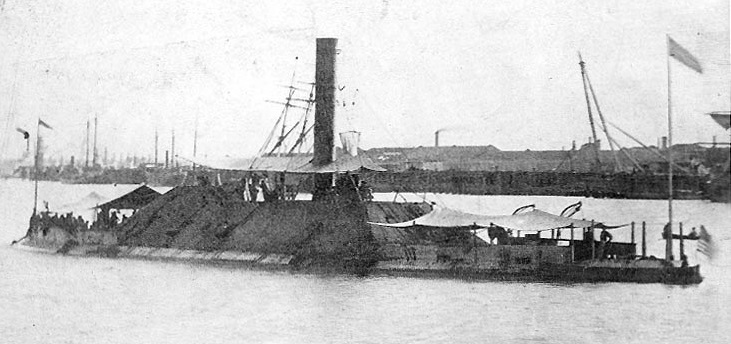
USS Atlanta | Ironclad Ram | -- | 02-02-1864 | 21-06-1865 | Sold for scrap in 1865 |
USS Tennessee | Ironclad Ram | Tennessee | 05-08-1864 | 19-08-1865 | Sold for scrap in 1867 |