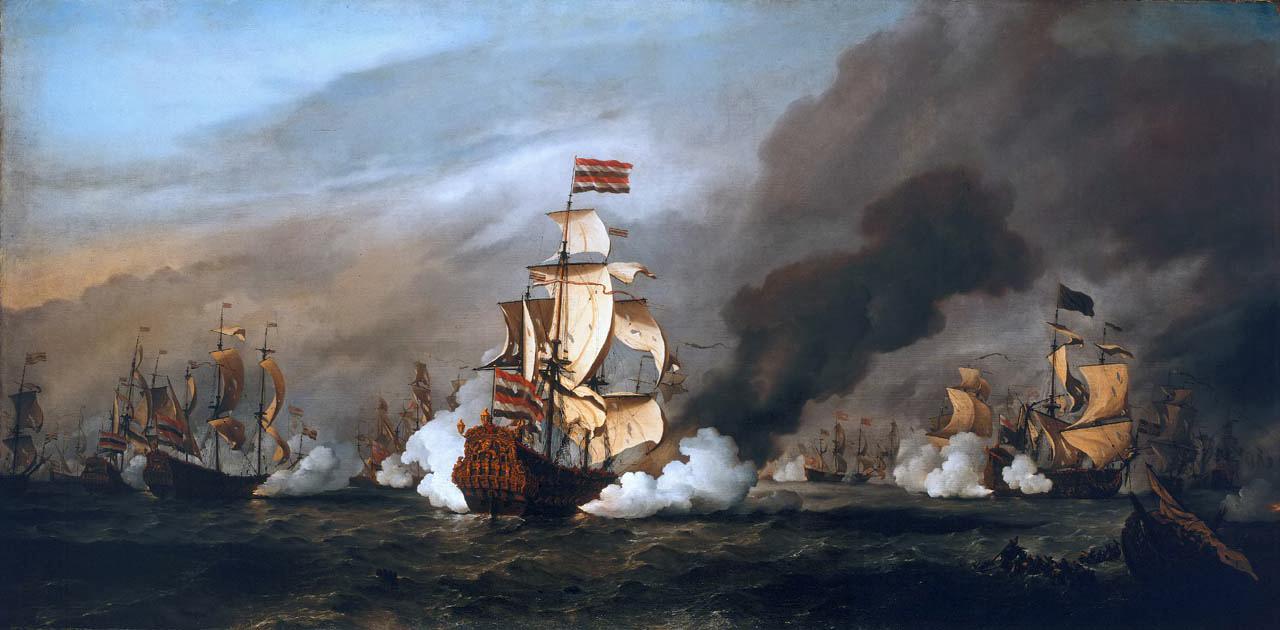
Warships have evolved dramatically over the past two centuries, shaped by advances in technology, changing naval strategies and the ambitions of the nations that built them. The transition from wooden sailing vessels to ironclads and powerful steel warships transformed naval warfare and redefined the role of navies around the world.
Understanding this evolution means looking beyond individual ships. Their design, armament, classification and operational roles reveal how naval power developed through different eras of maritime history.
This introduction explores the evolution of steel warships, explains the major ship types and classes, and examines the technological developments that shaped modern naval warfare. It also provides a starting point for exploring the histories, timelines and fleets of individual naval powers.
The Evolution of Steel Warships
The development of modern warships marked a turning point in naval history. For centuries, warships were built primarily from wood and relied on sails, wind and broadside guns. During the nineteenth century, advances in metallurgy, steam propulsion and naval artillery began to transform these traditional vessels.
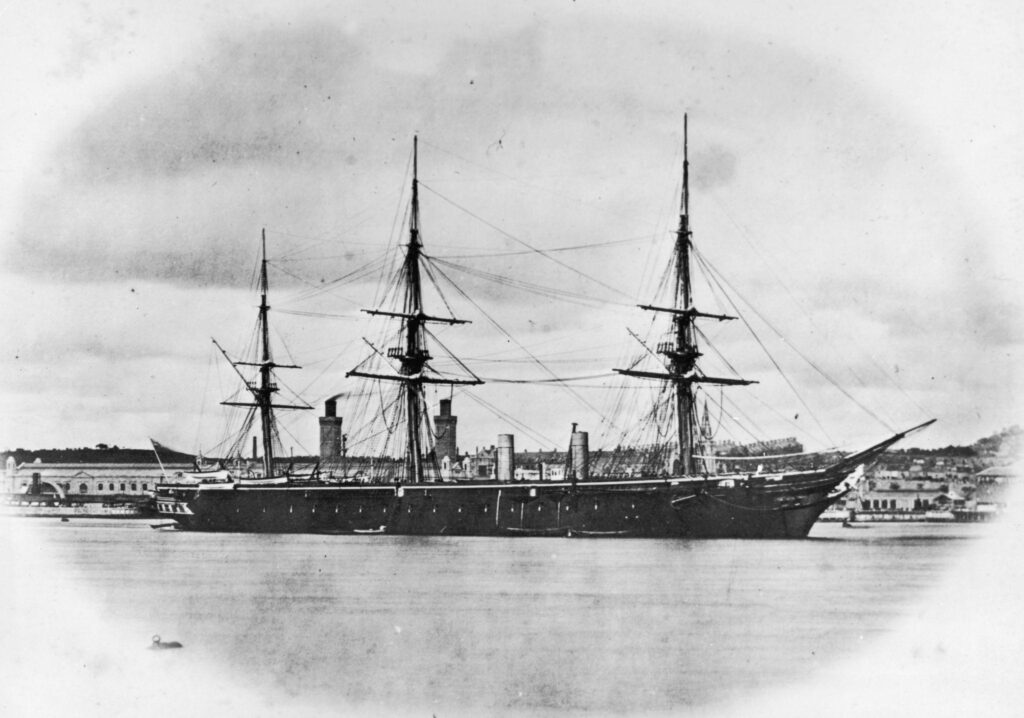
The introduction of ironclad warships, protected by iron armour and powered by steam engines, changed the nature of naval warfare. As shipbuilding technology advanced, iron hulls gradually gave way to stronger steel construction. Larger guns, improved armour, more powerful engines and new propulsion systems made warships increasingly capable and specialised.
By the late nineteenth and early twentieth centuries, steel warships had become the foundation of modern naval power. Battleships, cruisers and destroyers developed distinct roles, while advances in submarines, aircraft carriers and naval technology continued to reshape warfare at sea.
These developments reflected not only technological progress, but also the industrial strength and strategic ambitions of the nations that built and operated these fleets.
Understanding Warship Types and Classes
Warships are classified according to their size, design, armament and intended operational role. Although the terminology has changed over time, ship types have traditionally helped distinguish between vessels designed for specific tasks, from major fleet engagements to reconnaissance, escort duties and coastal operations.
A ship type describes the general role and characteristics of a vessel. Battleships, cruisers, destroyers, frigates, submarines and aircraft carriers, for example, each developed to fulfil different requirements in naval warfare. Their importance and capabilities changed as technology and naval strategy evolved.
A ship class, on the other hand, is a group of ships built to a common design. Ships belonging to the same class generally share similar dimensions, machinery, armament and overall characteristics, although individual vessels may differ because of later modifications or modernisation.
Understanding the difference between ship types and classes makes it easier to explore the history of individual warships. It also helps explain how each navy organised its fleet and adapted its vessels to changing strategic and technological demands.
The Major Types of Warships
Throughout the history of steel warships, different vessel types have been developed to meet the changing demands of naval warfare. From heavily armoured battleships to fast destroyers and specialised submarines, each type has played a distinct role in the development of naval power.
The following overview introduces the major types of warships and explains their primary roles. Their designs and capabilities changed considerably over time, reflecting advances in technology, naval strategy and the requirements of individual fleets.
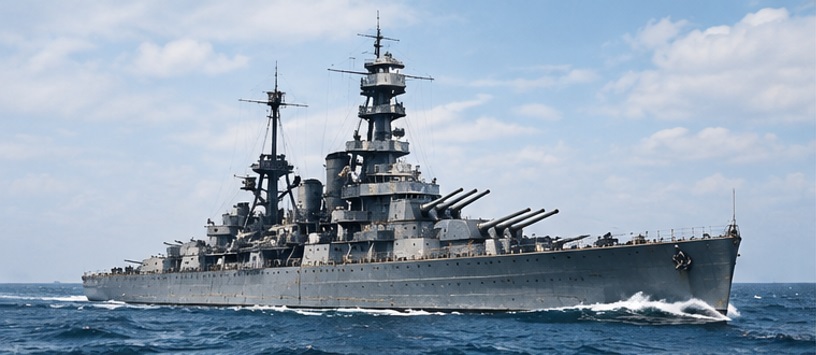
Battleships
Battleships were heavily armoured capital ships armed with large-calibre guns. They formed the centrepiece of many major fleets during the late nineteenth and first half of the twentieth century.
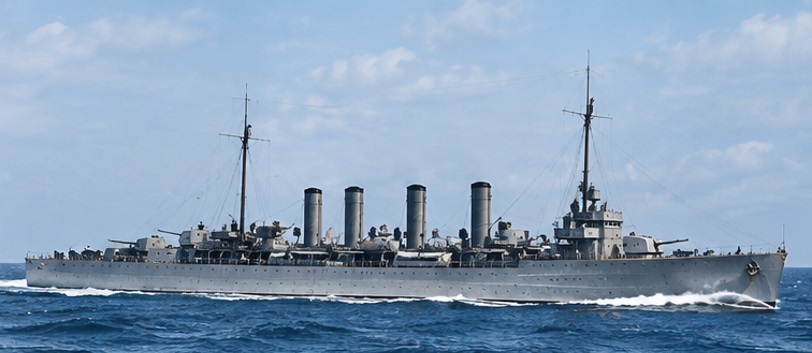
Cruisers
Cruisers were versatile warships used for fleet protection, reconnaissance, trade-route defence and independent operations. Their size and armament varied considerably between classes and eras.
Destroyers
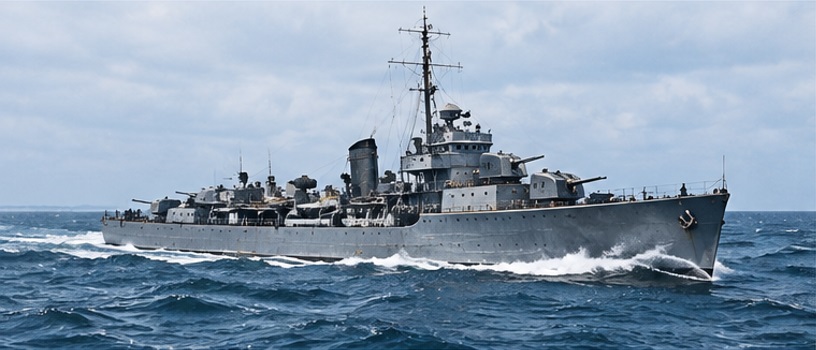
Destroyers were fast, manoeuvrable warships originally developed to counter torpedo boats. Over time, they became essential for protecting fleets against submarines, aircraft and surface threats.
Frigates and Corvettes
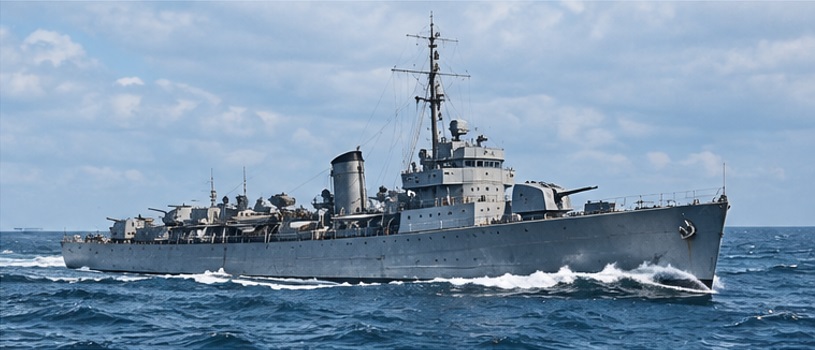
Frigates and corvettes generally served in escort, patrol and anti-submarine roles. Their size, armament and duties differed depending on the period and the navy operating them.
Submarines
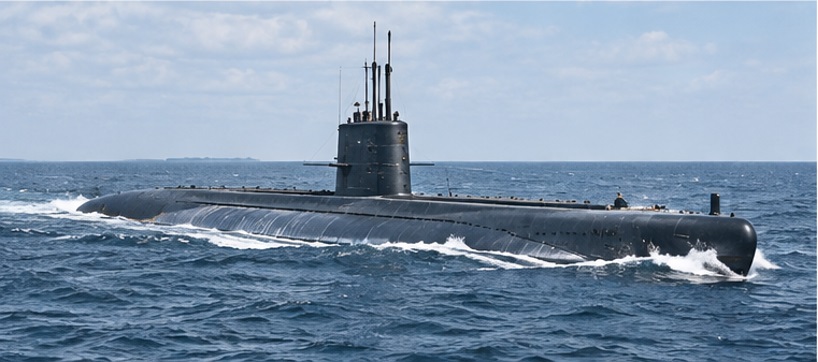
Submarines transformed naval warfare by allowing attacks from beneath the surface. They were used for anti-ship warfare, reconnaissance, deterrence and other specialised missions.
Aircraft Carriers
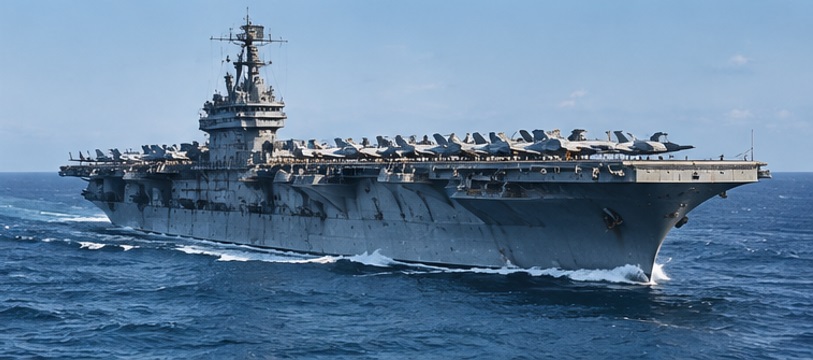
Aircraft carriers enabled navies to project air power far beyond the range of land-based aircraft. During WWII, they became central to naval operations and later developed into some of the most powerful vessels afloat.
Naval Warfare and Technological Development
The development of steel warships was closely linked to advances in engineering, weapons technology and naval strategy. Each major innovation changed the way warships were designed, built and deployed, influencing the balance of naval power between nations.
During the late nineteenth century, steam propulsion, steel armour and increasingly powerful naval guns transformed traditional warships. The introduction of more effective armour-piercing shells, improved rangefinders and new gun arrangements led to further changes in battleship design.
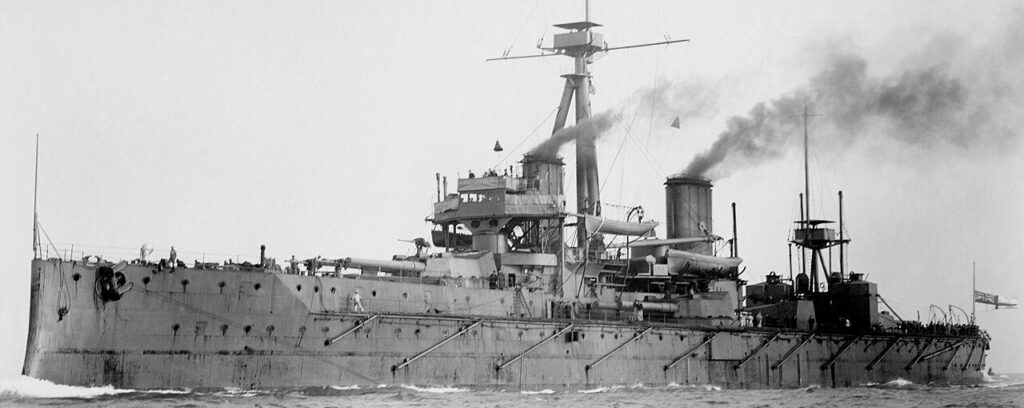
In the early twentieth century, the development of the dreadnought battleship established a new standard for naval firepower. During the First World War, submarines, mines and torpedoes demonstrated the growing importance of underwater warfare. In the decades that followed, aircraft carriers and naval aviation gradually changed the nature of major fleet engagements.
The Second World War accelerated these developments. Radar, sonar, improved communications and anti-aircraft weapons became essential components of naval warfare. Destroyers and other escort vessels took on increasingly important roles in protecting fleets and merchant shipping from submarines and aircraft.
After the war, guided missiles, jet aircraft, nuclear propulsion and advanced electronic systems further transformed naval operations. These innovations changed the capabilities of individual ships and influenced the composition of entire fleets.
The history of steel warships is therefore not simply a story of larger and more powerful vessels. It is also the story of how technology, strategy and national ambitions continually reshaped naval warfare.
Explore Historic Naval Fleets
The history of steel warships cannot be understood without exploring the navies that designed, built and operated them. Each nation developed its fleet according to its industrial capabilities, strategic priorities and maritime ambitions.
From the Royal Navy and the United States Navy to the Royal Netherlands Navy and the German Navy, each fleet followed its own path of development. Their ships reflect changing naval strategies, technological innovation and the historical events that shaped their countries.
Explore the naval fleets featured on this website to discover their histories, important events and technological developments. Follow each navy’s historical timeline, explore its ship types and classes, and learn about the individual warships that served in its fleet.
Select a navy to begin exploring the ships, classes and historical events that shaped its naval history.