
The Royal Netherlands Navy (Dutch: Koninklijke Marine) is the naval force of the Kingdom of the Netherlands and one of the country’s four armed services. With a history spanning more than five centuries, it has played an important role in protecting Dutch maritime interests, safeguarding trade routes, and defending the Netherlands at sea. Its motto is “Worldwide safety at and from the sea.”
From the age of sailing warships and the great Dutch maritime trading era to modern frigates, submarines, and patrol vessels, the Royal Netherlands Navy has continually adapted to changing technology and strategic demands. Dutch naval history includes the development of organised naval forces, major international conflicts, and the transition from wooden sailing ships to ironclads and modern steel warships.
Today, the Royal Netherlands Navy operates as part of the Netherlands Armed Forces and works closely with allied navies, particularly within NATO. Its fleet includes surface combatants, submarines, mine countermeasures vessels, patrol ships, and amphibious and support vessels. Together, these capabilities help protect maritime security and contribute to international operations worldwide.

The main naval base of the Royal Netherlands Navy is located in Den Helder, in the north of the Netherlands.

History of the Royal Netherlands Navy
Early Origins and the Admiralty
The history of the Dutch naval forces stretches back to the Middle Ages, when Dutch merchants and fishermen needed protection against piracy and hostile forces. Armed vessels escorted trading convoys, and experienced commanders gradually assumed responsibility for organising these maritime defences.
A major step in the development of a central naval organisation came in 1488, when Maximilian of Austria issued the Ordinance on the Admiralty. This established an official framework for naval command and helped lay the foundations for a more organised Dutch maritime defence. In the centuries that followed, Dutch naval forces became closely connected with the country’s expanding overseas trade and maritime influence.
The Dutch Golden Age and the Age of Sail
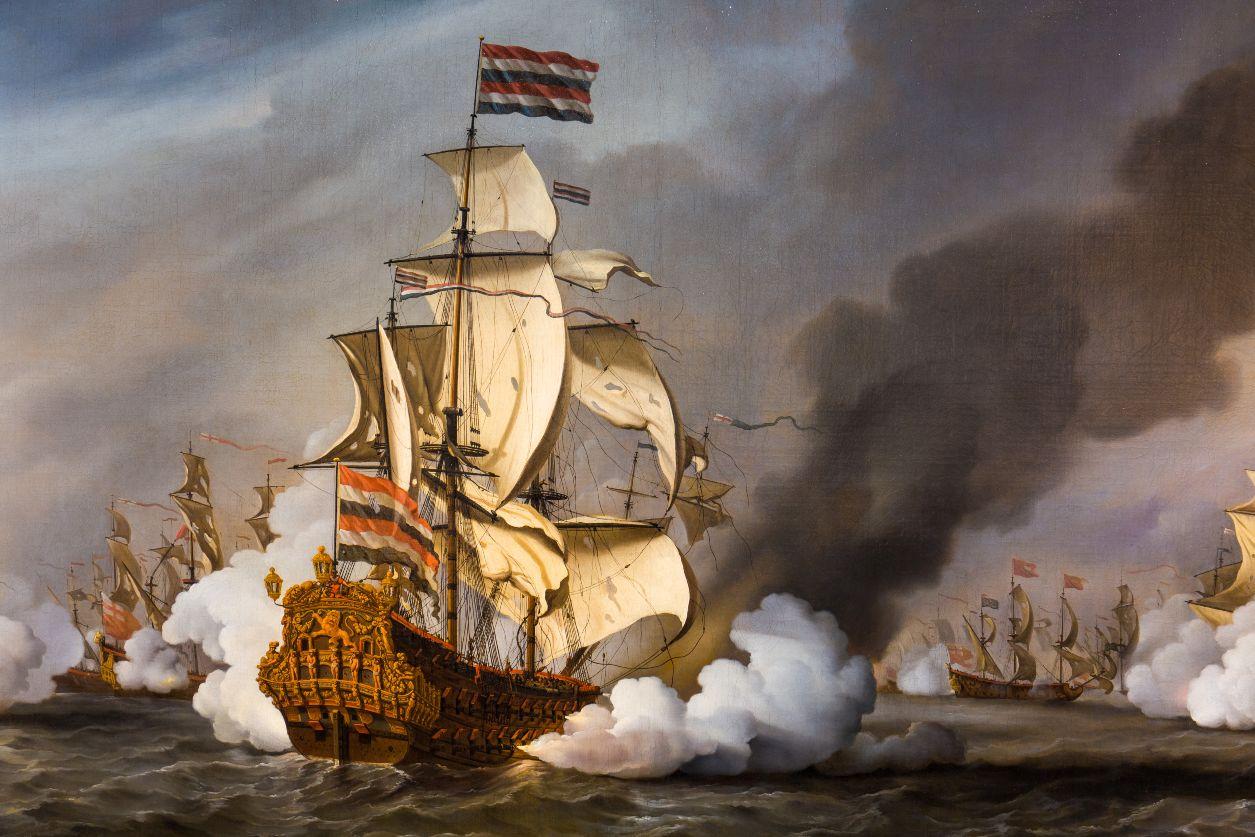
During the seventeenth century, the Dutch Republic developed into one of the world’s leading maritime powers. Its warships protected merchant fleets and fought major naval battles against rival European powers, particularly England and France. Admirals such as Michiel de Ruyter became famous for their leadership during the Anglo-Dutch Wars.
Dutch naval forces continued to evolve during the eighteenth and early nineteenth centuries, adapting their ships, tactics, and organisation to changing demands at sea. In 1815, after the establishment of the Kingdom of the Netherlands, King William I formally introduced the designation Royal Netherlands Navy.
The Transition to Modern Warships
During the nineteenth century, advances in industrial technology transformed naval warfare. Wooden sailing ships gradually gave way to steam-powered vessels built with iron and steel. Armoured warships, monitors, gunboats, and cruisers introduced new capabilities and changed the way naval forces operated.
The Royal Netherlands Navy adapted to these developments while continuing to defend Dutch maritime interests and overseas territories. Submarines, modern artillery, and improved propulsion systems became increasingly important as naval technology advanced towards the twentieth century.
The World Wars and the Post-war Navy
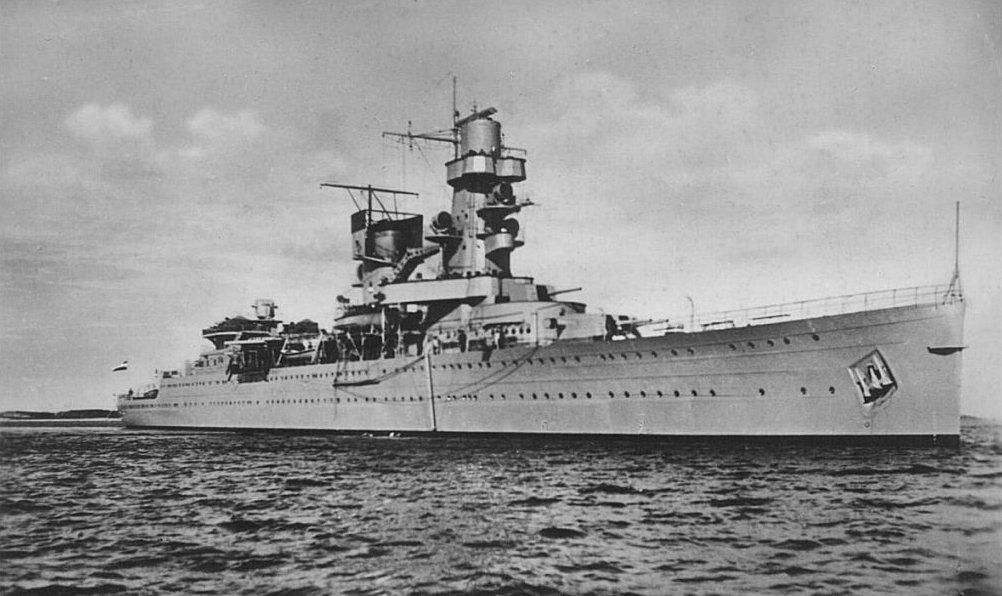
During the Second World War, the Netherlands was occupied by Germany in 1940, but Dutch naval forces continued operating alongside the Allies. Dutch ships and personnel took part in operations in European and Asian waters, including the defence of the Dutch East Indies. The losses suffered during the war and the subsequent independence of Indonesia brought major changes to the navy’s responsibilities and organisation.
After 1945, the Royal Netherlands Navy modernised its fleet and increasingly focused on collective defence. During the Cold War, it played an important role in NATO’s maritime strategy, particularly in anti-submarine warfare in the North Atlantic and the North Sea.
The Modern Royal Netherlands Navy
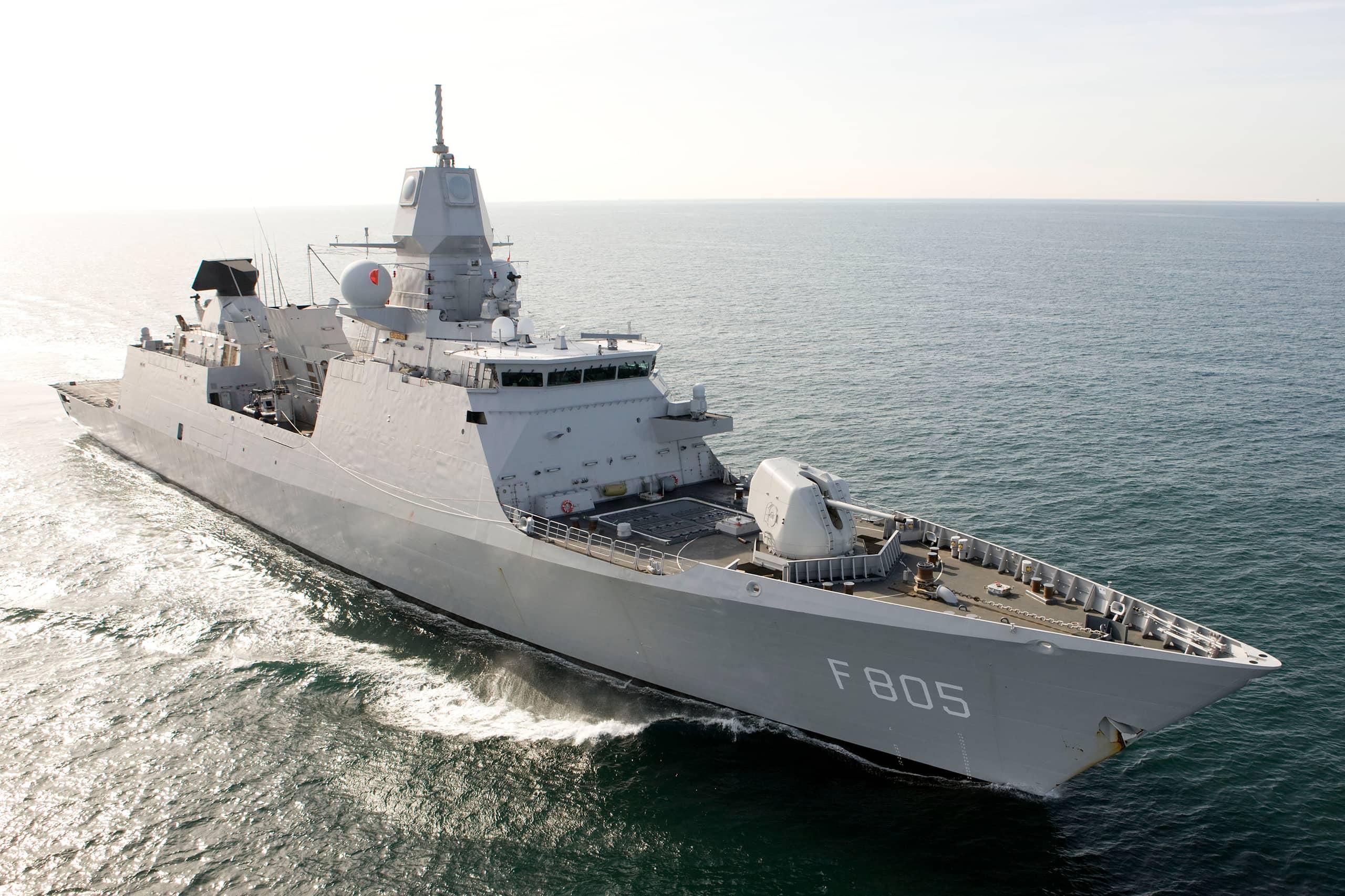
Today, the Royal Netherlands Navy operates modern frigates, submarines, mine countermeasures vessels, patrol ships, and amphibious and support vessels. It works closely with the Royal Netherlands Marine Corps and allied navies to protect maritime security and support international operations.
As a member of NATO, the Netherlands continues to contribute to collective defence, maritime surveillance, and the protection of important sea routes. The navy combines centuries of maritime tradition with modern technology and international cooperation.
Royal Netherlands Navy Ship Types
The Royal Netherlands Navy operates a variety of warships and support vessels, each designed for specific tasks at sea. Modern frigates, submarines, patrol vessels, and mine countermeasures ships provide the Netherlands with the capabilities needed to protect maritime interests and contribute to international naval operations.
Throughout its history, the Dutch navy has also operated many different types of warships, including ironclads, monitors, gunboats, and cruisers. These vessels reflect the development of naval technology and the changing demands of maritime warfare.
The following overview presents the main ship types of the Royal Netherlands Navy, from historic warships to the vessels that serve in the modern fleet.
Frigates
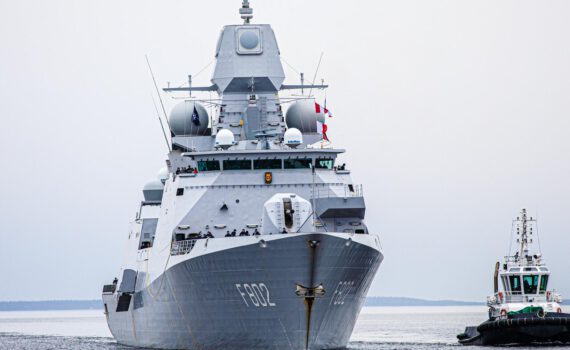
Frigates are among the principal surface combatants of the Royal Netherlands Navy. Equipped with advanced sensors, guns and missile systems, they perform air defence, anti-submarine warfare and maritime security missions alongside allied fleets.
Explore RNNs Frigates →
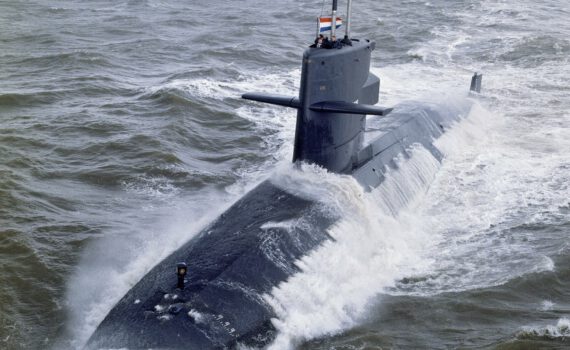
Submarines
Dutch submarines are designed for covert operations, intelligence gathering and surveillance. Their ability to operate undetected makes them valuable assets for protecting maritime interests and supporting
allied naval operations.
Explore RNNs Submarines →
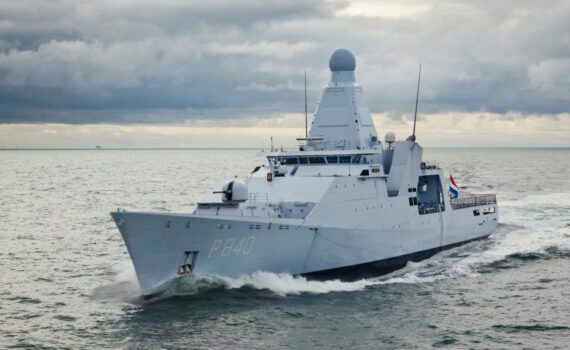
Patrol Vessels
Patrol vessels protect maritime interests through surveillance, law enforcement support and security patrols. The Holland-class ships are designed for operations in the North Sea, the Caribbean and other waters
where the Netherlands has responsibilities.
Explore RNNs Patrol Vessels →
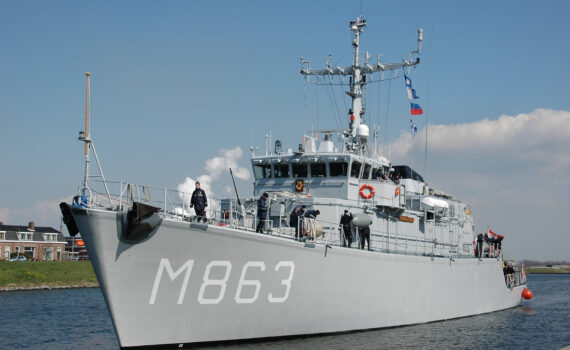
Mine Countermeasures Vessels
Mine countermeasures vessels detect, identify and help neutralise naval mines and other underwater explosive threats. Their work helps keep shipping lanes, ports and operational areas safe for naval and
commercial vessels.
Explore RNNs Mine Counterm. Ships →
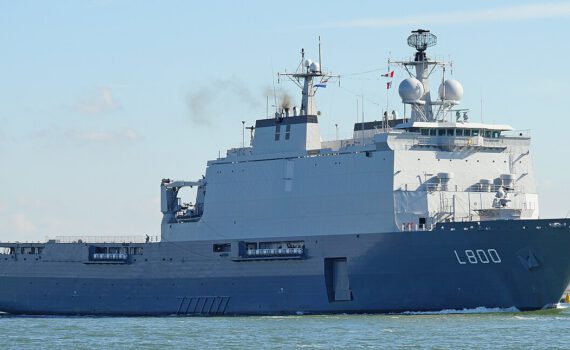
Amphibious Ships
Amphibious ships transport marines, vehicles, equipment and supplies and support operations from sea to shore. They can also contribute to humanitarian assistance, disaster relief and international missions.
Explore RNNs Amphibious Ships →
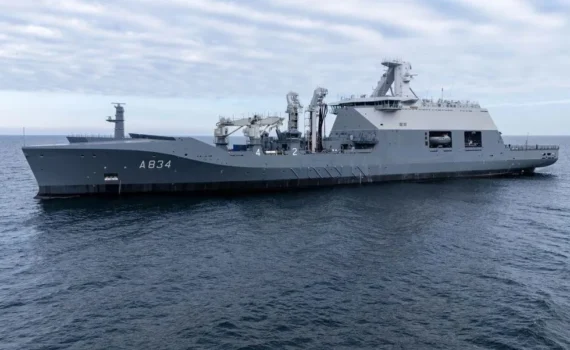
Replenishment and Support Ships
Replenishment and support ships sustain naval forces during extended operations at sea. They provide fuel, supplies, equipment and logistical support, allowing combat vessels to remain deployed for longer periods.
Explore RNNs Repl. and Support Ships →
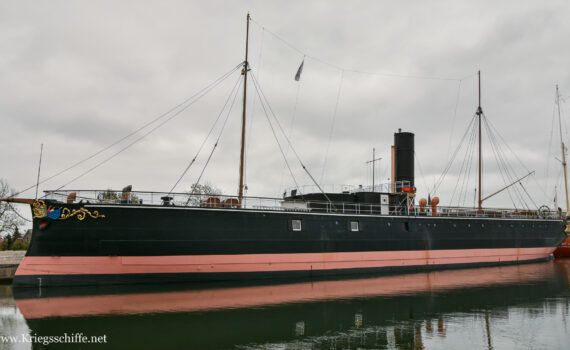
Ironclads, Monitors and Gunboats
During the nineteenth century, ironclads, monitors and gunboats marked important stages in the development of Dutch naval warfare. These vessels introduced armour, heavy guns and new designs to meet changing coastal defence and maritime requirements.
Explore RNNs Ironclads, monitors …. →
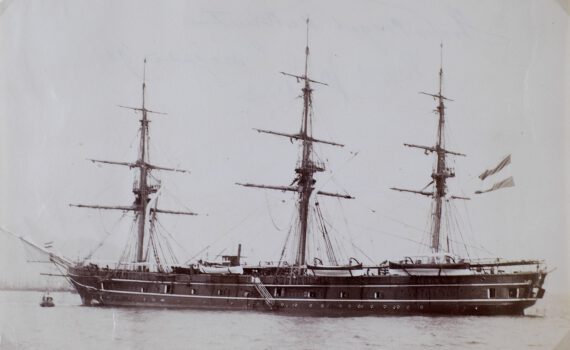
Cruisers
Dutch cruisers served as powerful surface warships, combining heavy guns, long range and command capabilities. They played important roles in fleet operations and the defence of Dutch maritime interests,
particularly in the years leading up to and during the Second World War.
Explore RNNs Cruisers →
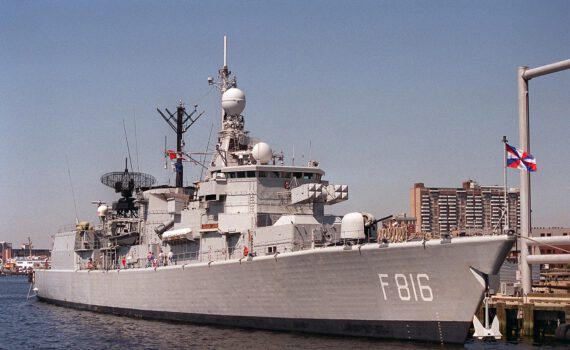
Historc/Preserved Warships
Historic and preserved warships provide a tangible link to the Royal Netherlands Navy’s past. From ships that served during wartime to vessels preserved as museum ships, they help illustrate the evolution of
Dutch naval technology, traditions and operations.
Explore RNNs Historic/Preserved Ship →
Royal Netherlands Navy Ship Prefixes
Ships of the Royal Netherlands Navy use a prefix before their names to indicate their connection to the Dutch monarch. In Dutch, commissioned naval ships currently use Zr.Ms., short for Zijner Majesteits (His Majesty’s). In English-language publications, the international prefix HNLMS, meaning His Netherlands Majesty’s Ship, is commonly used.
The prefix Hr.Ms., short for Harer Majesteits (Her Majesty’s), was used during the reign of a queen. Following the accession of King Willem-Alexander in 2013, the prefix changed back to Zr.Ms.
Examples of Royal Netherlands Navy Ship Prefixes
Prefix | Meaning | Use |
Zr.Ms. | Zijner Majesteits | Current Dutch-language prefix |
Hr.Ms. | Harer Majesteits | Historical prefix used during a queen's reign |
HNLMS | His Netherlands Majesty's Ship | English-language prefix |
These prefixes distinguish Dutch naval vessels from ships operated by other navies. For example, the Dutch frigate Zr.Ms. De Zeven Provinciën is referred to in English as HNLMS De Zeven Provinciën.
Royal Netherlands Navy Ship Identification System
Ships of the Royal Netherlands Navy can be identified by their pennant numbers, which are displayed on the hull. These numbers consist of a letter followed by a numerical sequence. The letter indicates the general type or role of the vessel, while the numbers distinguish individual ships.
The system follows NATO naval identification conventions and makes it easier to recognise different types of warships during operations and international cooperation.
Common Pennant Number Letters
Letter | Ship Type | Example |
F | Frigate | F802 – De Zeven Provinciën |
M | Mine countermeasures vessel | M863 – Vlaardingen |
P | Patrol vessel | P840 – Holland |
L | Amphibious transport ship | L800 - Rotterdam |
A | Auxiliary or support vessel | A833 – Karel Doorman |
S | Submarine | S810 – Bruinvis |
Examples of Ship Identification
HNLMS De Zeven Provinciën (F802)
The letter F identifies De Zeven Provinciën as a frigate.
The number 802 distinguishes this ship from other frigates in the Royal Netherlands Navy.
HNLMS Holland (P840)
The letter P identifies Holland as a patrol vessel.
Its pennant number P840, distinguishes it from the other ships of the Holland class.
These identification numbers provide a practical way to recognise Dutch naval vessels and understand their roles within the fleet.

82 years ago, the residents of old Den Helder were forced to leave their homes by order of the German occupying forces. The city was completely demolished to make way for the Atlantic Wall. After the war, Den Helder was rebuilt and became a national naval base. Unfortunately, few pre-war buildings remain in the Netherlands’ most important naval port, as the original city was drastically altered by German measures, Allied bombing, and the demolition of damaged houses.