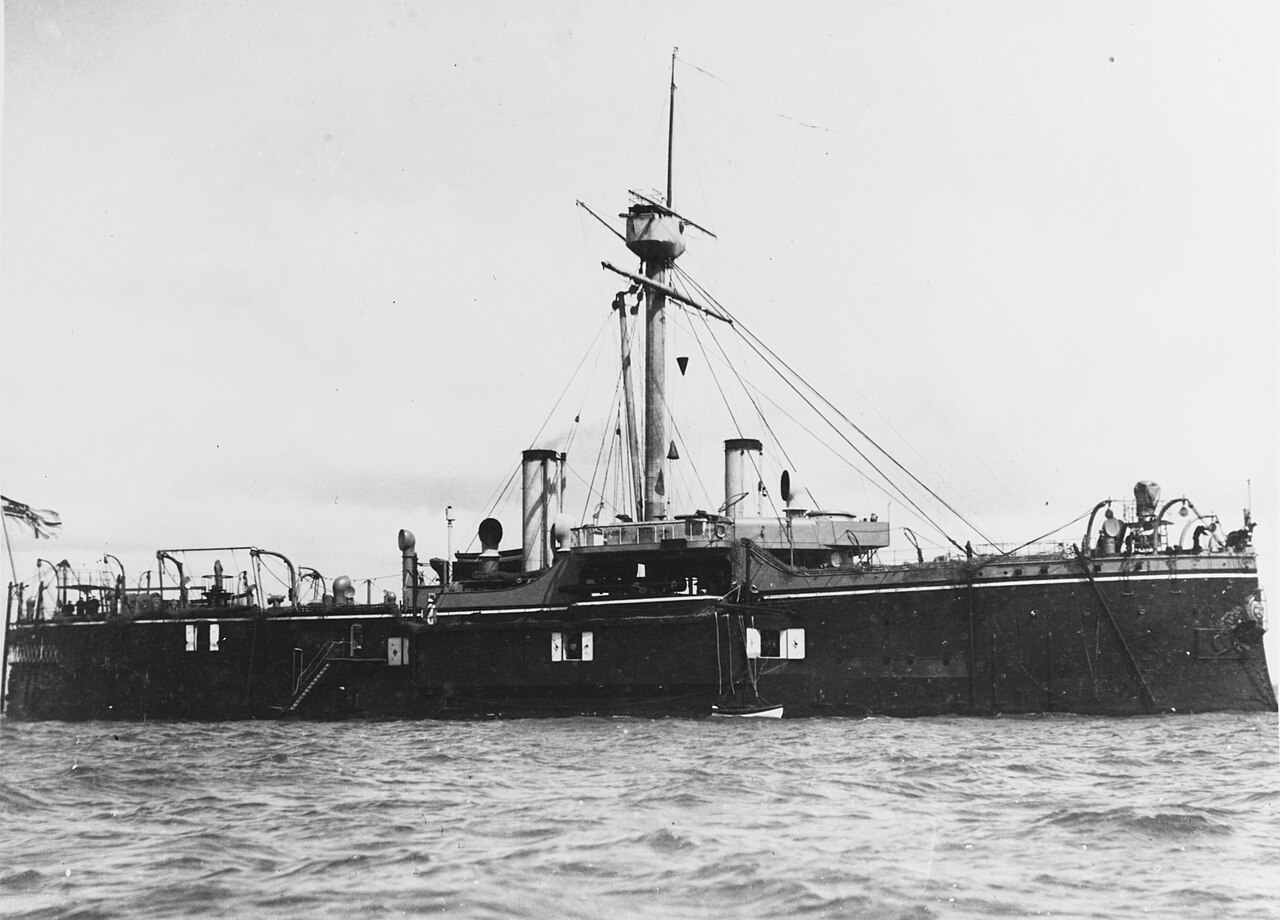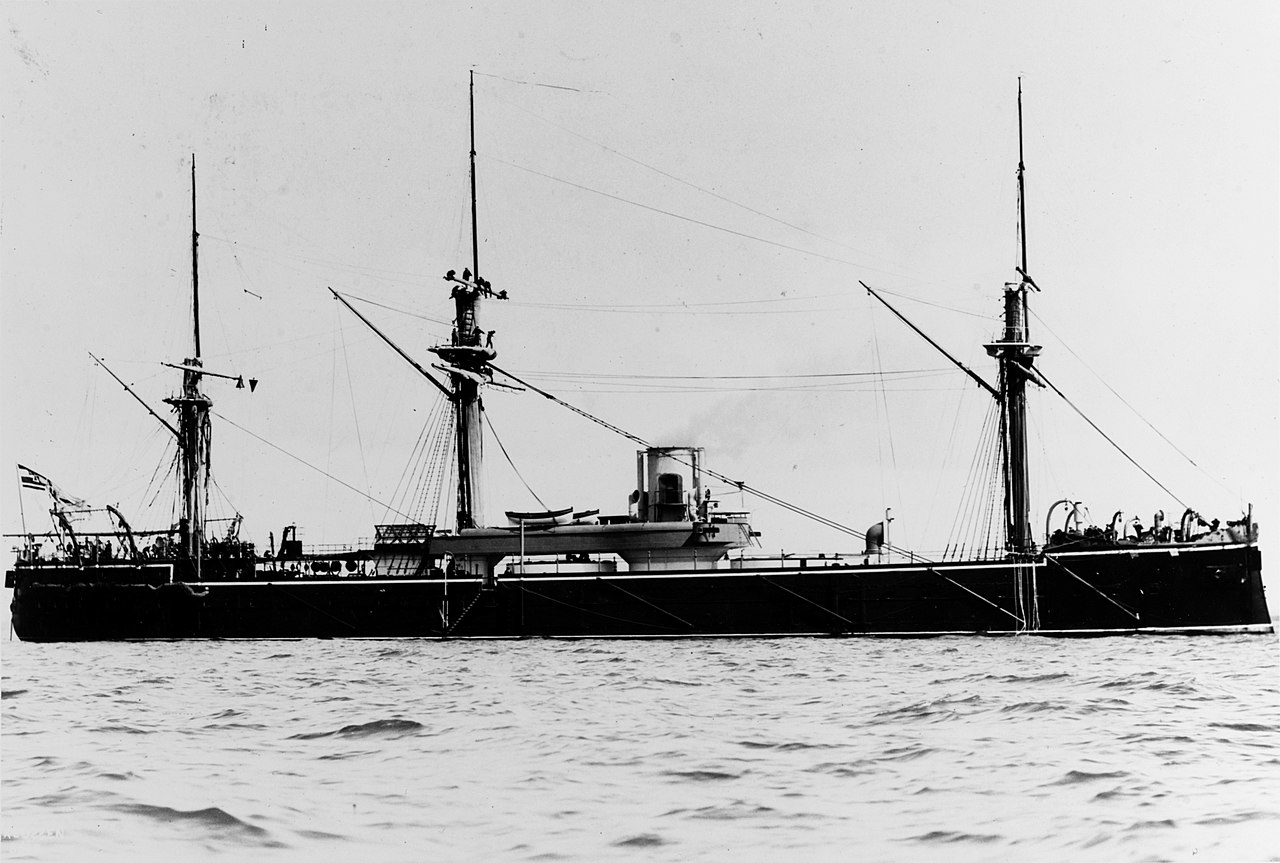
Between the mid 1860s and the early 1880s, the Prussian and later Imperial German Navies purchased or built sixteen ironclad warships. In 1860, however, the Prussian Navy consisted solely of wooden, unarmored warships. The following year, The Germans wrote an expanded fleet plan that included four large ironclads and four smaller ironclads. Two of the latter were to be ordered from Britain immediately, as German shipyards were at the time incapable of building such vessels. The rival Danish fleet had three ironclads in service by the time the Second Schleswig War broke out in 1864 as a result, Prussia purchased the ironclads Arminius and Prinz Adalbert, then under construction in Britain and France, respectively. The British, sympathetic to the Danish cause, delayed delivery of both Arminius and Prinz Adalbert until after the combined Austro-Prussian victory. Both ships entered service by 1865.
The Prussian Navy had acquired three more ships by the outbreak of the Franco-Prussian War in 1870. A fourth was ordered from Prussian shipbuilders, but would not be completed in time to see service during the war. In the aftermath of the war in 1871, the various Germanic states were unified under Prussian dominance as the German Empire; the Prussian Navy became the core of the Imperial Navy. The three turret ships of the Preussen class were built in Germany in the early 1870s, followed by two Kaiser-class vessels in the middle of the decade, the last capital ships ordered from foreign yards by Germany. A different strategic plan affected the next design, the four Sachsen-class ships. These vessels were intended to operate from fortified bases against a naval blockade, not on the high seas. The last ironclad built by Germany, Oldenburg, was originally to have been a fifth member of the Sachsen class, but dissatisfaction with those ships led to a new design. The German Navy temporarily ceased construction of capital ships in the 1880s, due to the poor performance of the Sachsen class; instead, concentration was focused on creating a large force of torpedo boats for coastal defense.
Ironclads of the 19th century
Name | Class | Commissioned | Decommissioned | Notes |
SMS Arminius | -- | 22-04-1865 | 1875 | Scraped in 1902 |
SMS Prinz Adalbert | -- | 1864 | october 1871 | Scraped in 1878 |
SMS Friedrich Carl | -- | 03-10-1867 | 22-06-1905 | Scraped in 1906 |
SMS Kronprinz | -- | 19-09-1867 | 22-08-1901 | Scraped in 1921 |
SMS König Wilhelm | -- | 20-02-1869 | 04-01-1921 | Broken up in 1921 |
SMS Hansa | -- | 19 May 1875 | 06-08-1888 | Broken up in 1905 |
SMS Arminius
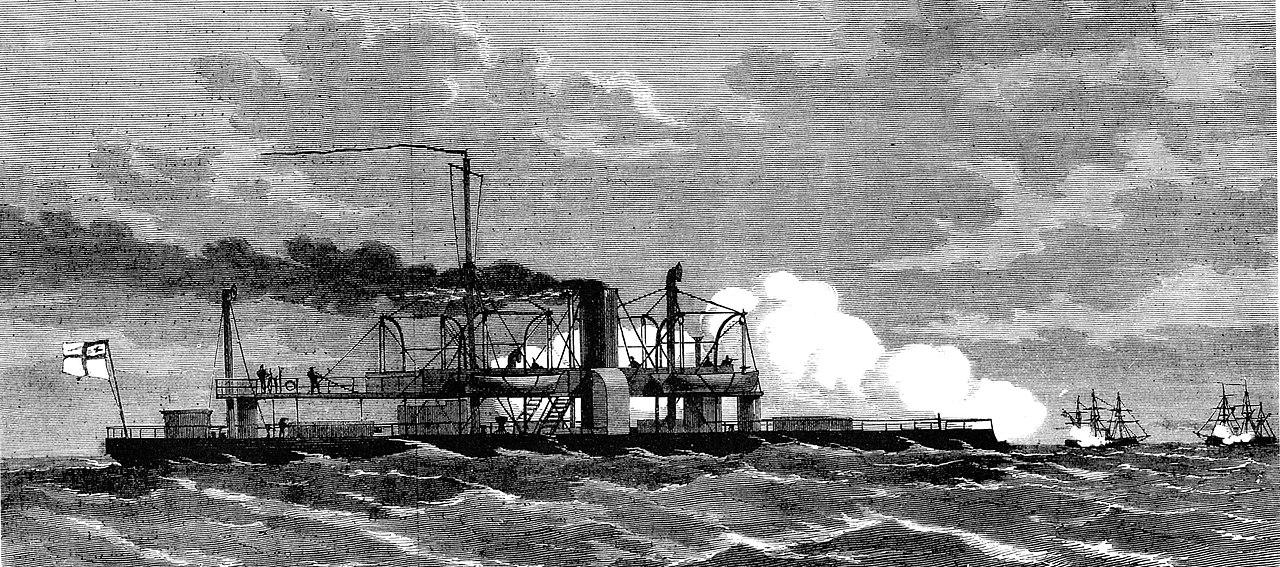
SMS Arminius was an ironclad warship of the Prussian Navy, later the Imperial German Navy. The vessel was a turret ship. Prussia purchased the ship during the Second Schleswig War against Denmark. She was named for Arminius, the victor of the Battle of the Teutoburg Forest. Arminius served as a coastal defense ship. After the wars, Arminius was withdrawn from front-line service and used in a variety of secondary roles, including as a training ship for engine-room crews and as a tender for the school ship Blücher. The ship was eventually sold in 1901 and broken up for scrap the following year.
SMS Prinz Adalbert (1865)
SMS Prinz Adalbert was an ironclad warship of the Prussian Navy and later the Imperial fleet. She was built in Bordeaux, France in 1864 for the Confederate States Navy. Prussia bought her during the Second Schleswig War against Denmark, but she was not delivered until after the war. She was designed as an armored ram but also carried three guns. She was named after Prince Adalbert of Prussia, an early proponent of Prussian naval power. The ship was poorly built and as a result had a very limited service career. She was heavily modified after her delivery to Prussia in 1865. In 1870 the ship was assigned as a guard ship. In 1878 the ship was broken up and scraped thet year.
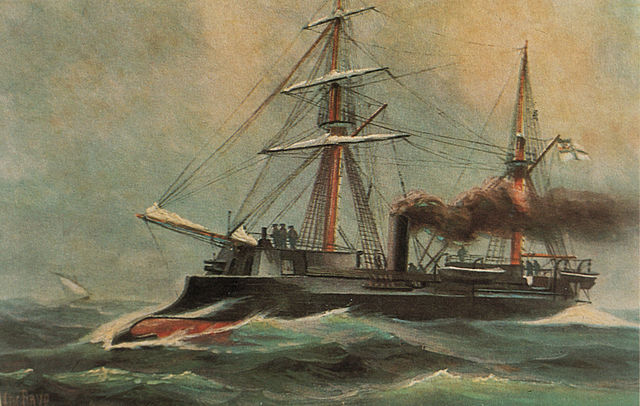
SMS Friedrich Carl (1867)
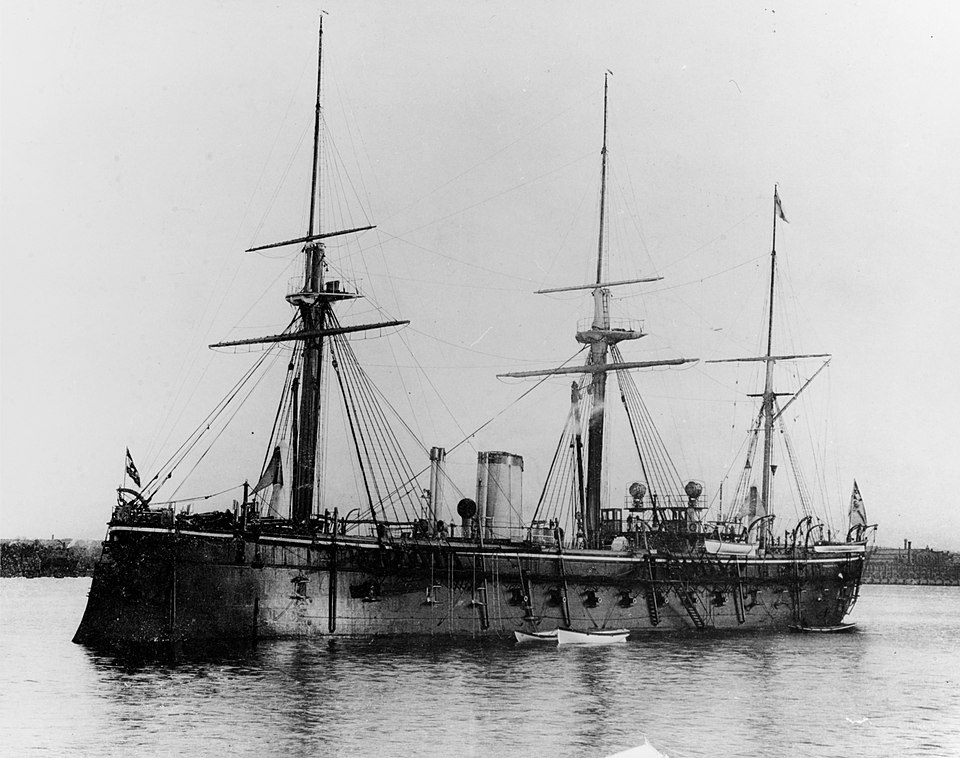
SMS Friedrich Carl was an ironclad warship built for the Prussian Navy in the mid-1860s. The ship was commissioned into the Prussian Navy in October 1867. The ship was the third ironclad ordered by the Prussian Navy, after Arminius and Prinz Adalbert, though the fourth ship to be acquired, Kronprinz, was ordered after but commissioned before Friedrich Carl. Friedrich Carl served with the fleet from her commissioning in 1867 until 1895, when she was removed from front-line service to serve as a training ship. The ship was refitted in Wilhelmshaven in the 1880s. She was renamed SMS Neptun in 1902 and used as a harbor ship until June 1905, when she was removed from the naval register. The following year, she was sold to ship breakers in the Netherlands and dismantled for scrap.
SMS Kronprinz (1867)
SMS Kronprinz was a unique German ironclad warship built for the Prussian Navy in 1866–1867. She was launched in May 1867 and commissioned into the Prussian Navy that September. The ship was the fourth ironclad ordered by the Prussian Navy. She entered service before Friedrich Carl. Kronprinz was built as an armored frigate, armed with a main battery of sixteen 21 cm guns; several smaller guns were added later in her career. The ship served in the subsequent Imperial Navy until she was converted into a training ship for boiler room personnel in 1901. The ship was ultimately broken up for scrap in 1921.
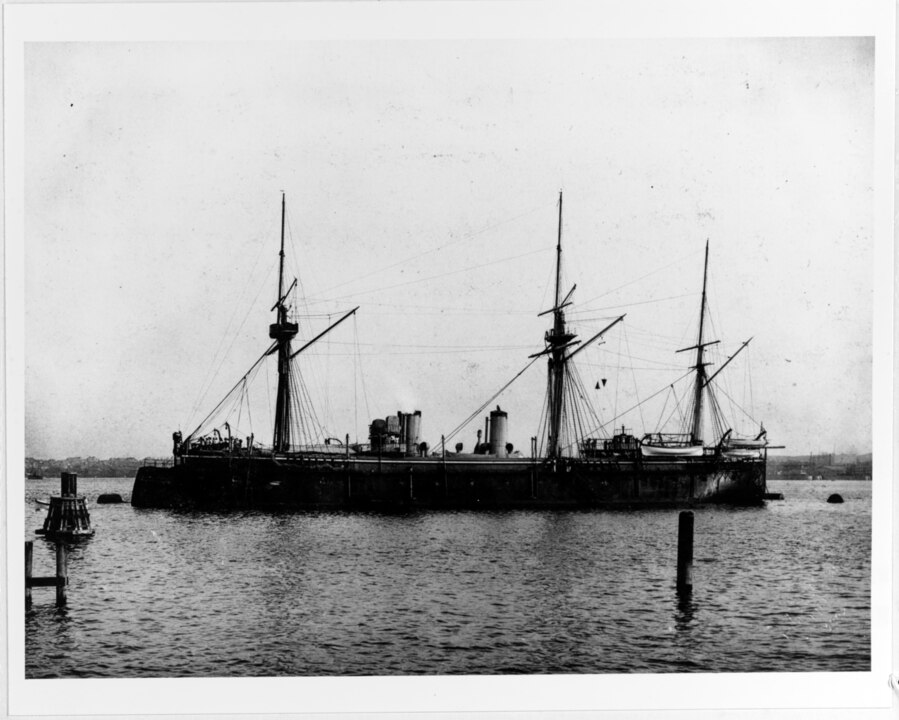
SMS König Wilhelm
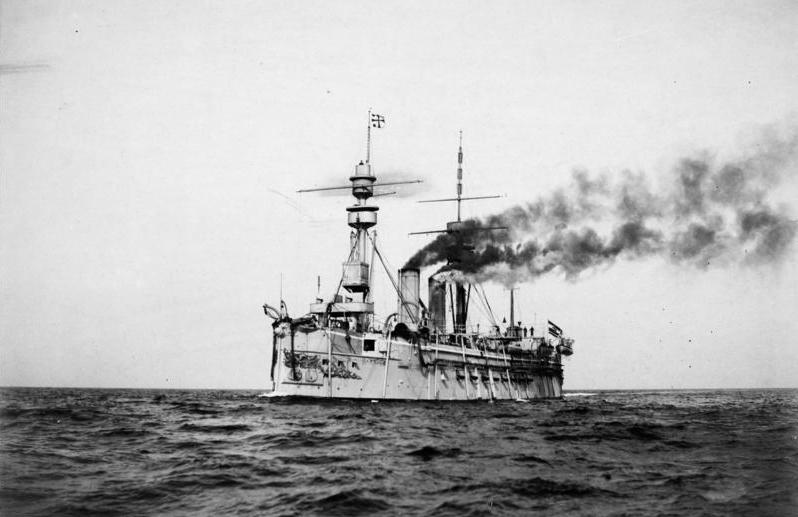
SMS König Wilhelm (King William) was an armored frigate of the Prussian and later the German Imperial Navy. She was purchased by Prussia in February 1867, launched in April 1868, and commissioned into the Prussian Navy in February 1869. The ship was the fifth ironclad ordered by the Prussian Navy. She was built as an armored frigate. The ship was for a time the largest and most powerful warship in the German navy; she served as its flagship during the Franco-Prussian War in 1870–1871. In 1878, the ship accidentally rammed and sank the ironclad Grosser Kurfürst, with great loss of life. König Wilhelm was converted into an armored cruiser in 1895. In that year, she was placed out of active service and used as a floating barracks and training ship, a role she held through World War I. In 1921, the ship was ultimately broken up for scrap, after a career spanning 52 years and three German states.
SMS Hansa (1872)
SMS Hansa was a German ironclad warship built in 1868–1875. She was the first ironclad built in Germany. She was named after the Hanseatic League. The ship was launched in October 1872 and commissioned into the German Imperial Navy (Kaiserliche Marine) in May 1875. Designed as for coastal bombardment, Hansa was classed as an armored corvette. In 1884, it was found that her iron hull was badly corroded, which rendered the ship unfit for further active service. She was therefore removed from active duty and used for a variety of secondary roles. In poor condition by 1888, she was stricken from the naval register and used as a barracks ship in Kiel. In 1906 she was sold to ship-breakers and dismantled for scrap.
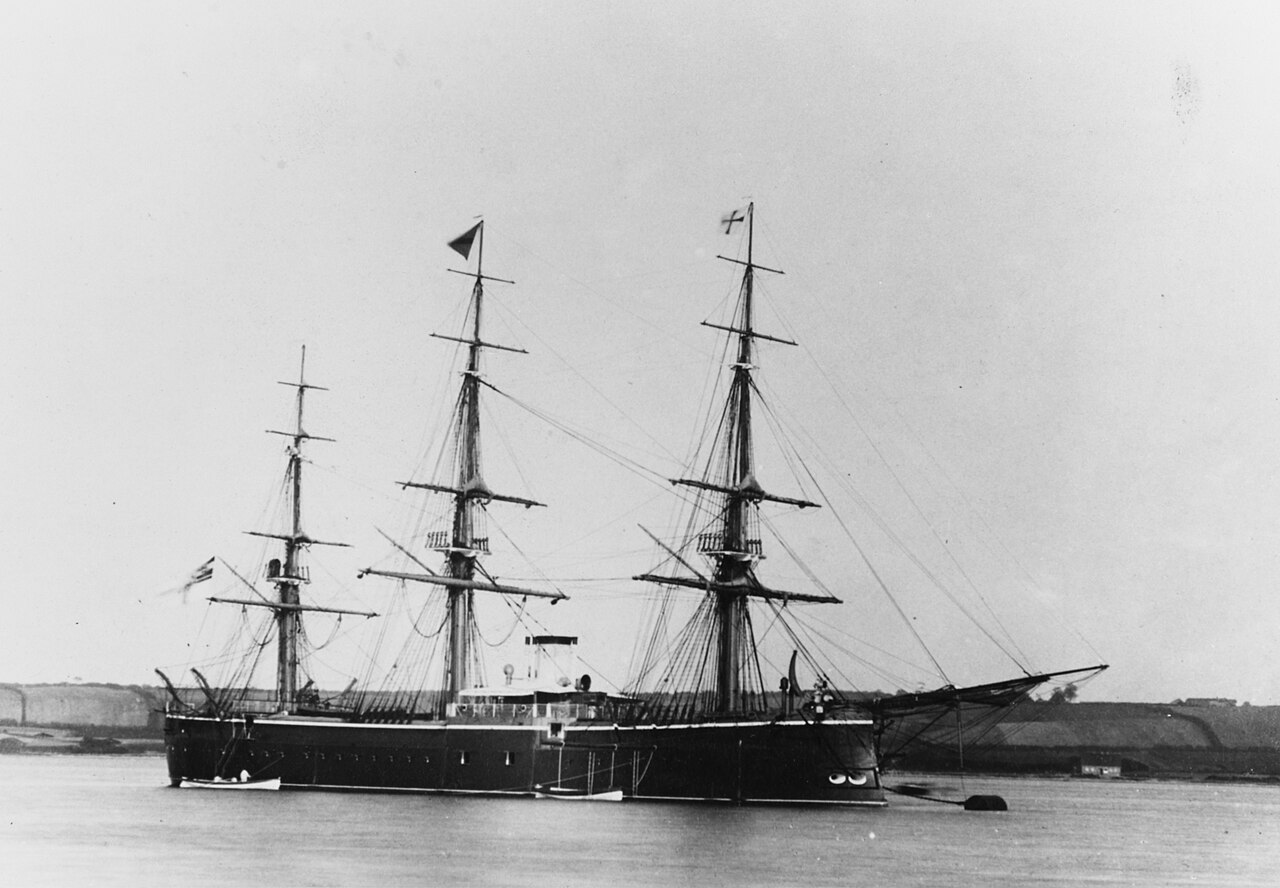
Preussen class
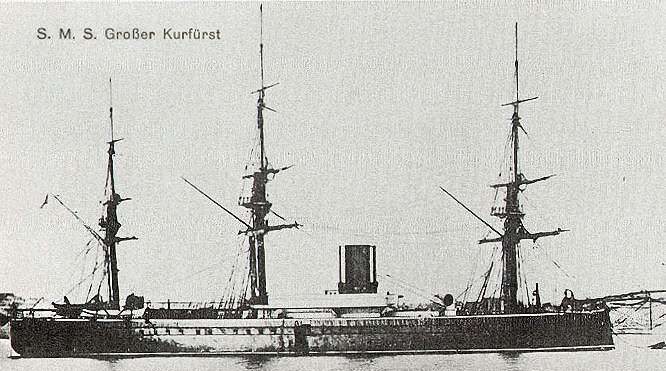
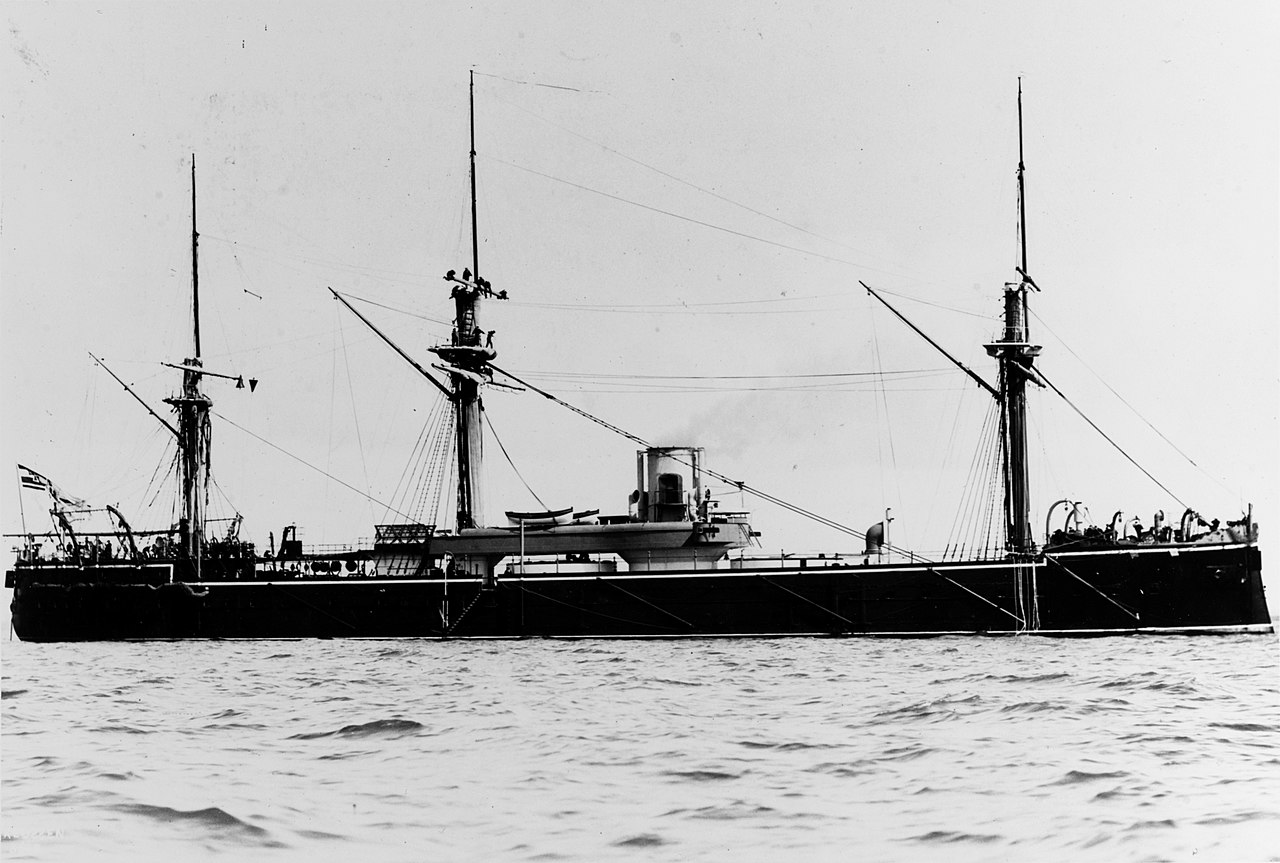
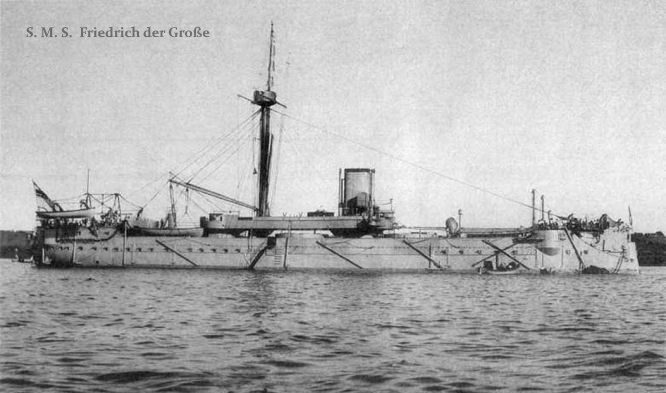
The Preussen class of ironclad turret ships was a class of three ships built for the German Imperial Navy in the early 1870s. The lead ship was the SMS Preussen. The other two ships were SMS Friedrich der Grosse and the SMS Grosser Kurfürst. The ships served in the fleet starting in 1876, when Preussen was commissioned. Grosser Kurfürst was lost in 1878 during maneuvers shortly after her commissioning. Both Preussen and Friedrich der Grosse served in the fleet until the 1890s, when they were relegated to secondary duties, including serving as harbor ships, and later as coal hulks. The ships were eventually scrapped following the end of World War I.
Name | Class | Commissioned | Decommissioned | Notes |
SMS Preussen | Preussen class | 04-07-1876 | 1906 | Scraped in 1919 |
SMS Grosser Kurfürst | Preussen class | 06-05-1878 | -- | Accidentally rammed and sunk by SMS Konig Wilhelm 31-5-78 |
SMS Friedrich der Grosse | Preussen class | 22-11-1877 | 21-05-1906 | Scraped in 1920 |
Kaiser class
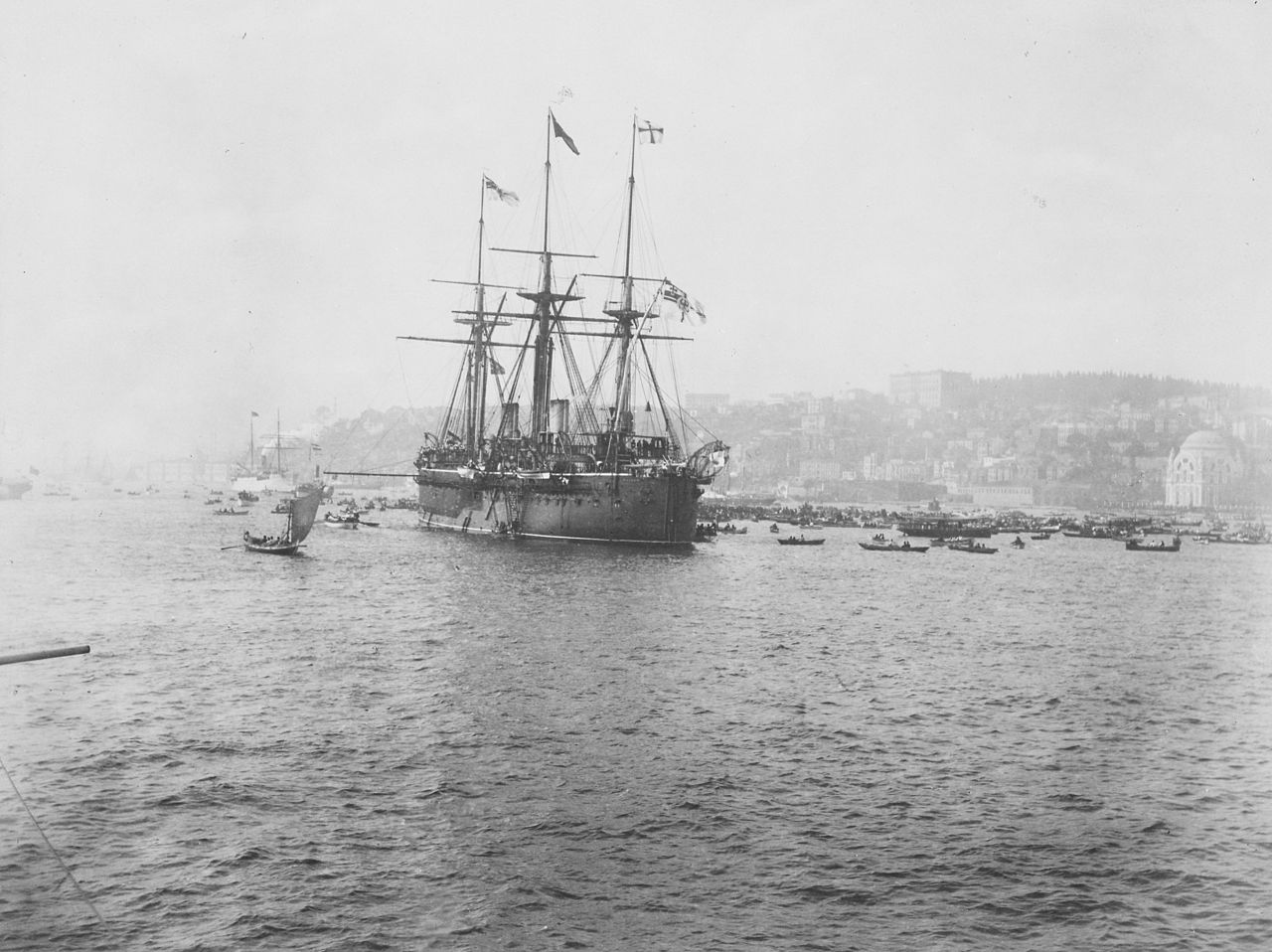
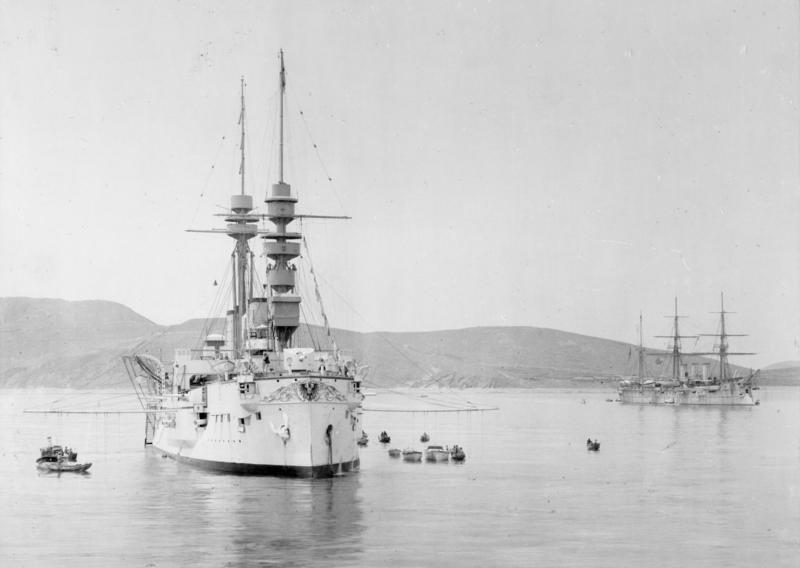
The Kaiser class of ironclad warships was a pair of vessels built for the German Kaiserliche Marine (Imperial Navy) in the early 1870s. The lead ship Kaiser and Deutschland. Both ships were built in London. They were the last German capital ships built by a foreign shipyard. The ships were substantially rebuilt in the 1890s into armored cruisers and stationed in Asia for three years. Following their return to Germany in 1899–1900, the ships were used in several secondary roles, including as
harbor and barracks ships.
Name | Class | Commissioned | Decommissioned | Notes |
SMS Kaiser | Kaiser class | 13-02-1875 | 21-05-1906 | Renamed Uranus 12-10-1905. scraped in 1920 |
SMS Deutschland | Kaiser class | 20-07-1875 | 21-05-1906 | Renamed Jupiter 22-11-1904, Recl. as Hulk, Scraped in 1909 |
Sachsen class
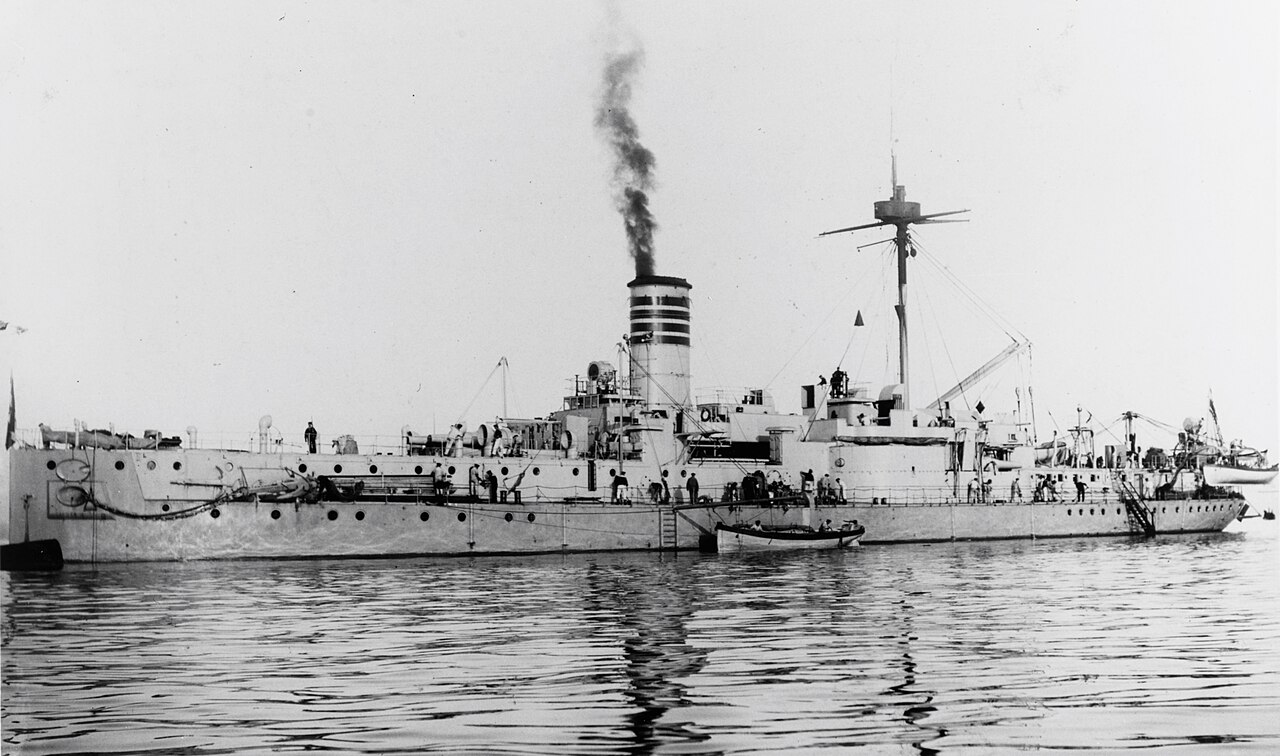
The Sachsen class of armored corvettes was a class of four ships built by the Imperial German Navy in the late 1870s to early 1880s. The ships: Sachsen, Bayern, Württemberg, and Baden were designed to operate as part of an integrated coastal defense network. The ships were intended to sortie from fortified bases to break up an enemy blockade or landing attempt. The four ships served with the fleet on numerous training exercises and cruises in the 1880s and 1890s. In the late 1890s, the four ships
were extensively rebuilt. When removed from active duty between 1902 and 1910 Sachsen and Bayern became target ships while Württemberg became a torpedo training ship. The three ships were broken up for scrap in 1919. Baden was used as a boom defense hulk from and target ship. She survived until 1938, when she was sold for scrapping.
Name | Class | Commissioned | Decommissioned | Notes |
SMS Sachsen | Sachsen class | 20-10-1878 | 03-02-1902 | Sold for Scrap 05-05-1919 |
SMS Bayern | Sachsen class | 04-08-1881 | 12-02-1900 | Sold for Scrap 05-05-1919 |
SMS Wurttemberg | Sachsen class | 09-05-1881 | 01-02-1919 | Broken up in 1920 |
SMS Baden | Sachsen class | 24-09-1883 | 27-07-1903 | Broken up in 1938 |
SMS Oldenburg
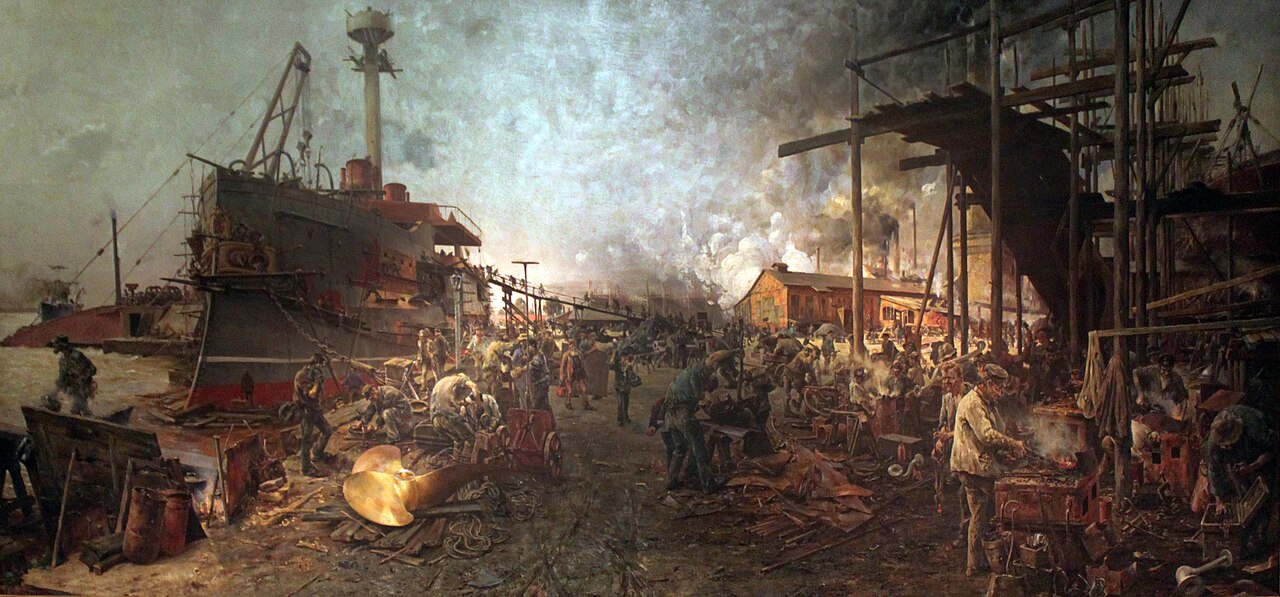
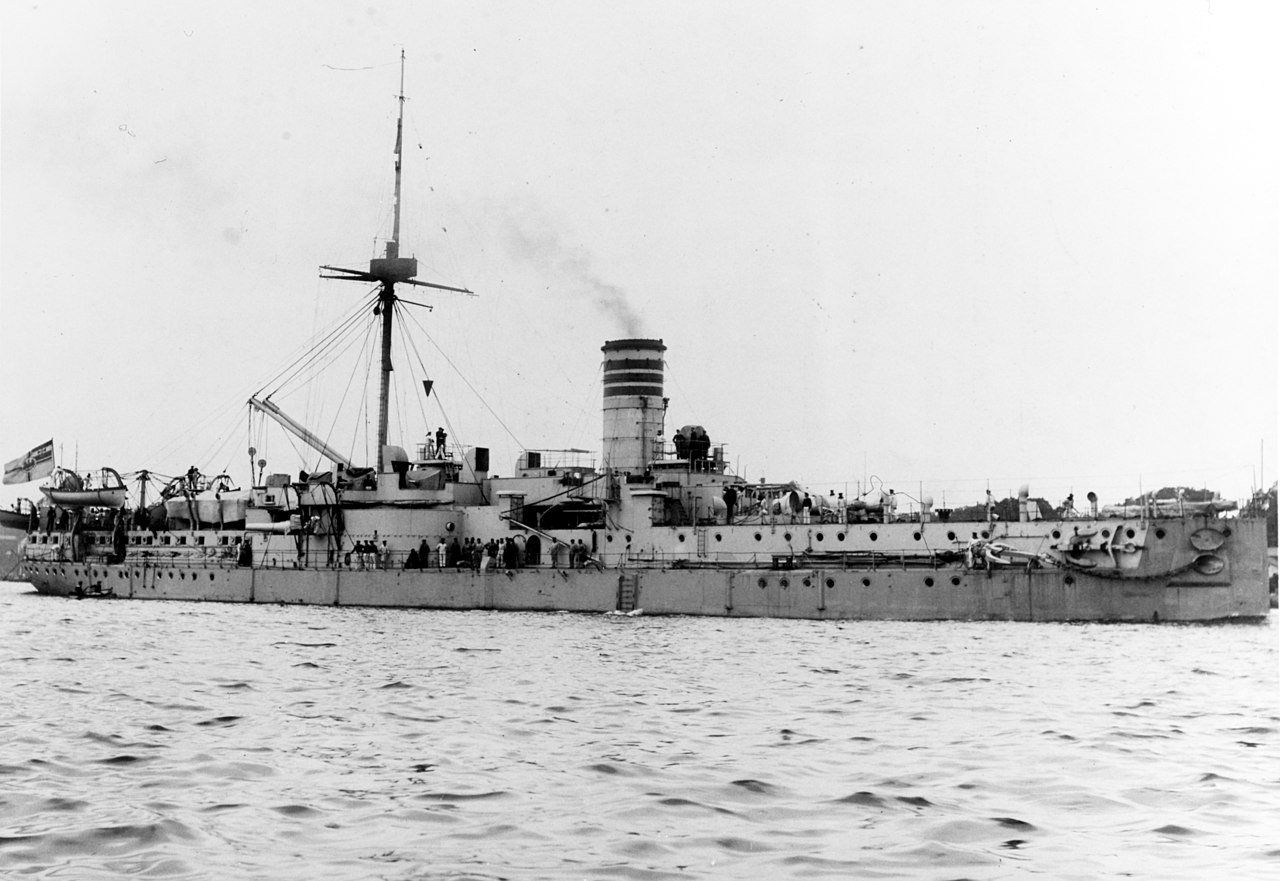
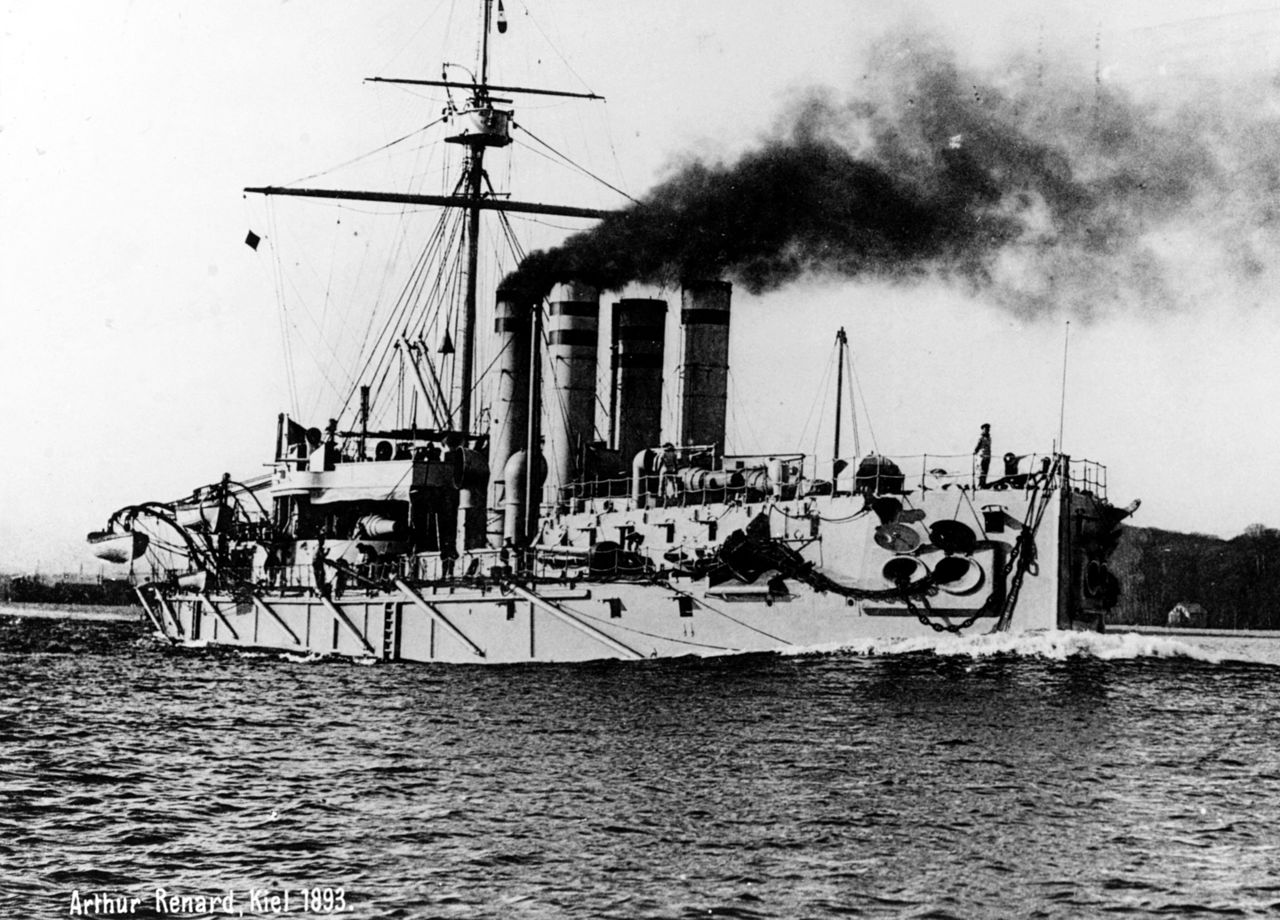
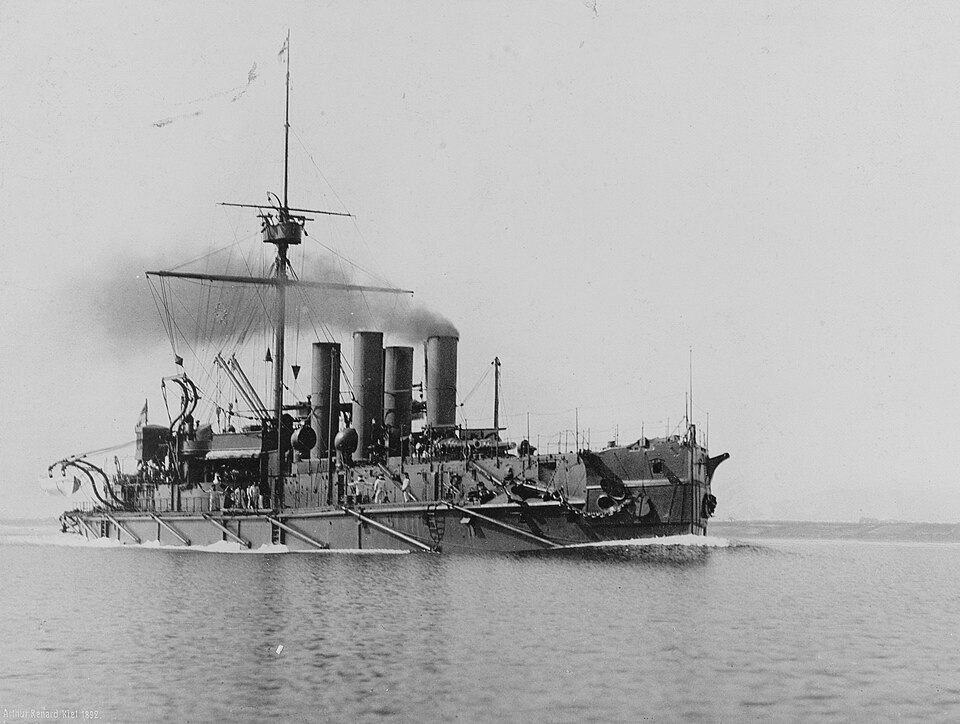
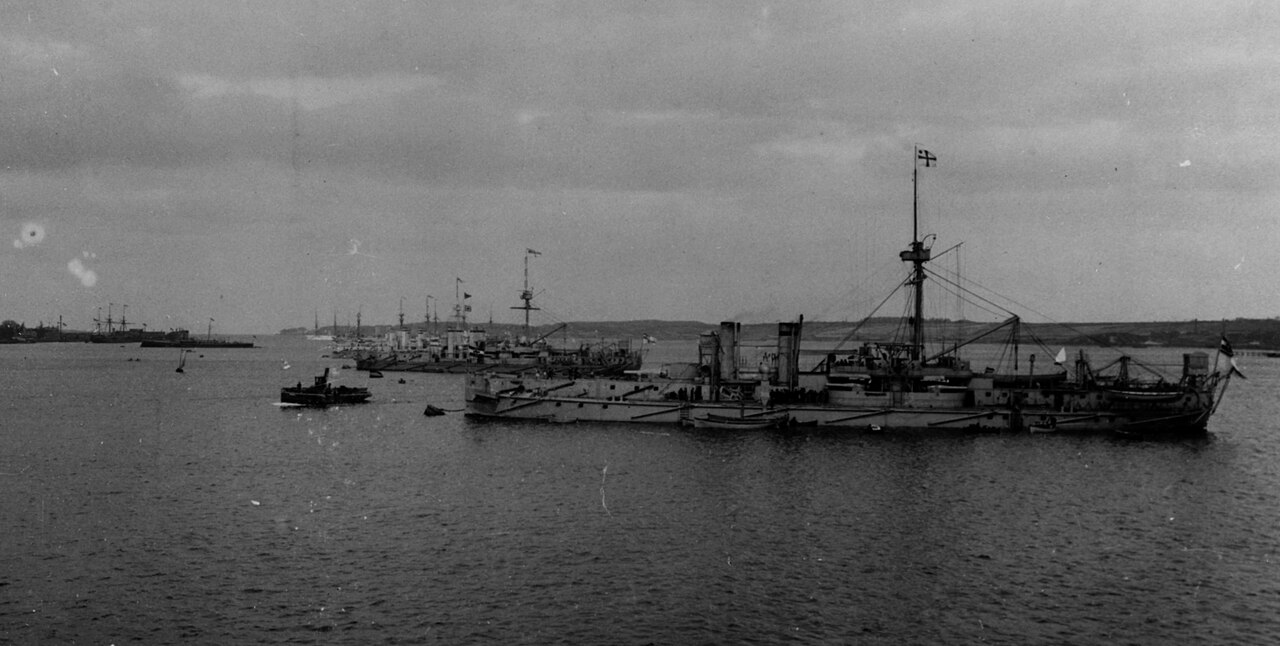
SMS Oldenburg was an armored warship of the German Kaiserliche Marine (Imperial Navy). Laid down at the AG Vulcan shipyard in Stettin in 1883. Oldenburg was intended to have been a fifth member of the Sachsen class of sortie corvettes, but budgetary limitations and dissatisfaction with the Sachsen class prompted a redesign that bore little resemblance to the earlier vessels. She was the first German capital ship constructed entirely from German-made steel. Oldenburg did not see significant service with the German Navy. She spent the majority of the 1890s in reserve. In 1900, she was withdrawn from active duty and used as a harbor defense ship and as a target ship. She was sold for scrapping in 1919 and broken up that year.
Name | Class | Commissioned | Decommissioned | Notes |
SMS Oldenburg | -- | 08-04-1886 | 23-04-1912 | Broken up in 1919 |